
 EN
EN



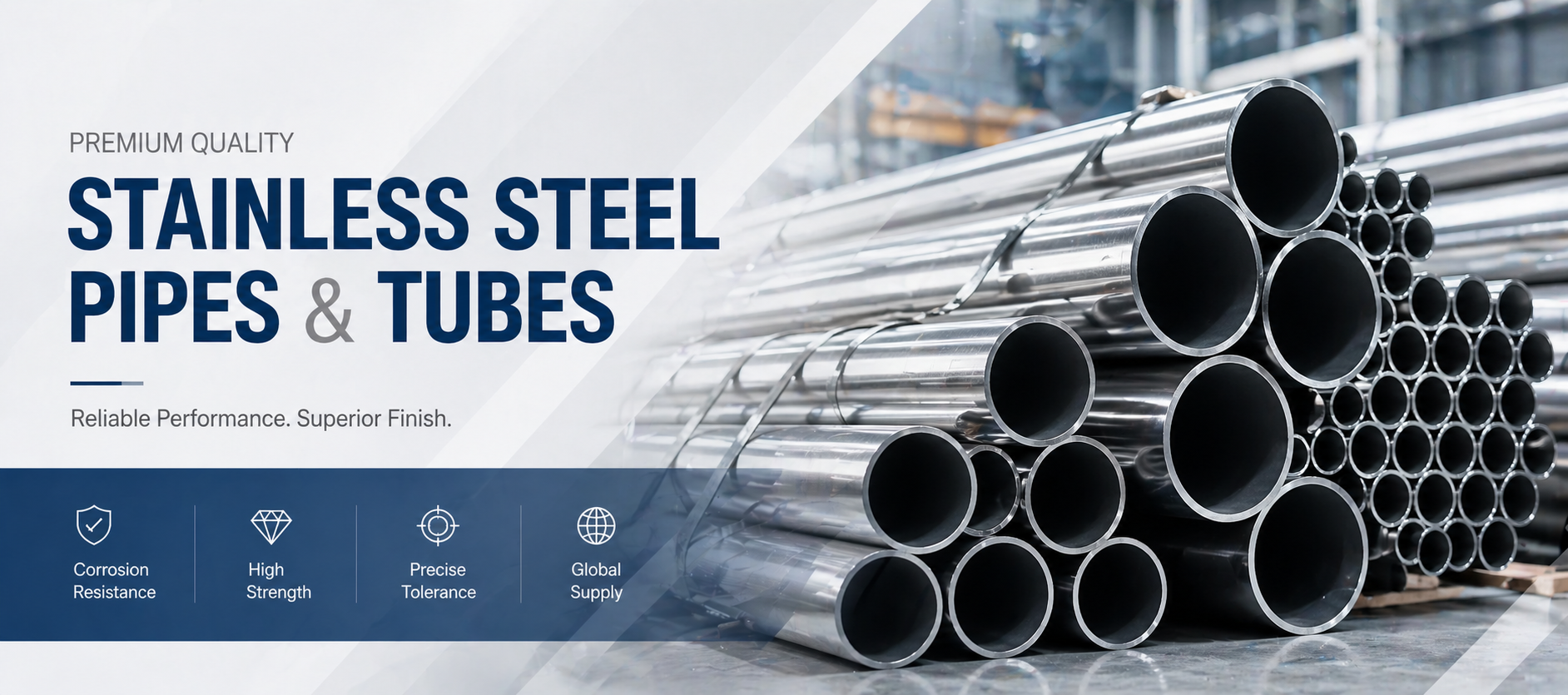
Modern plumbing systems demand materials that deliver long-term reliability, corrosion resistance, and hygiene standards that meet increasingly stringent building codes and environmental regulations. Among the various piping materials available today, stainless steel pipes have emerged as a premium choice for residential, commercial, and industrial plumbing applications. Their unique combination of durability, safety, and performance characteristics addresses common challenges faced by property owners, facility managers, and plumbing professionals who seek solutions that minimize maintenance costs while maximizing system longevity.
The adoption of stainless steel pipes in plumbing infrastructure represents a strategic investment that yields tangible benefits across multiple performance dimensions. From superior corrosion resistance that prevents water contamination to exceptional mechanical strength that withstands high-pressure applications, these pipes offer advantages that translate directly into reduced lifecycle costs and improved water quality. Understanding these key benefits enables decision-makers to evaluate whether stainless steel pipes align with their specific plumbing requirements, budget considerations, and long-term facility management objectives.
Exceptional Corrosion Resistance and Longevity
Chromium Oxide Protective Layer Formation
The fundamental advantage of stainless steel pipes stems from their inherent corrosion resistance, which originates from the chromium content in the alloy composition. When stainless steel pipes are exposed to oxygen, the chromium reacts to form a thin, invisible chromium oxide layer on the surface. This passive film acts as a protective barrier that prevents further oxidation and corrosion, even when the pipe surface experiences scratches or minor damage. The self-healing nature of this protective layer ensures continuous protection throughout the operational lifespan of the plumbing system.
In practical plumbing applications, this corrosion resistance translates into immunity against rust formation that commonly affects carbon steel and galvanized pipes. Water quality remains unaffected by metallic contaminants that leach from corroded pipe walls, ensuring potable water systems maintain their purity from source to endpoint. This characteristic proves particularly valuable in coastal environments or areas with aggressive water chemistry where conventional piping materials deteriorate rapidly due to chloride ion exposure or low pH conditions.
Extended Service Life in Diverse Water Conditions
The durability of stainless steel pipes across varied water quality conditions directly impacts their economic value proposition for plumbing installations. Unlike copper pipes that may develop pinhole leaks due to pitting corrosion in acidic water, or plastic pipes that degrade under ultraviolet exposure, stainless steel pipes maintain structural integrity across pH ranges from acidic to alkaline. This versatility makes them suitable for municipal water systems, well water applications, and installations where water treatment variability occurs.
Field performance data indicates that properly installed stainless steel pipes can deliver service lives exceeding fifty years with minimal maintenance requirements. This longevity reduces the frequency of disruptive replacements that interrupt building operations and generate disposal waste. For commercial buildings and industrial facilities where plumbing system failures create costly downtime, the extended service life of stainless steel pipes represents a significant operational advantage that justifies their higher initial material cost.
Superior Hygiene Standards and Water Quality Protection
Non-Porous Surface Preventing Bacterial Growth
The smooth, non-porous surface of stainless steel pipes creates an inhospitable environment for bacterial colonization and biofilm formation, which are persistent challenges in potable water distribution systems. Unlike some plastic piping materials that may harbor bacteria in microscopic surface irregularities, stainless steel pipes provide a hygienic barrier that maintains water quality throughout the distribution network. This characteristic proves essential in healthcare facilities, food processing plants, and pharmaceutical manufacturing environments where microbiological control standards demand materials that resist pathogen harboring.
Research conducted by water quality laboratories demonstrates that stainless steel pipes do not support the growth of Legionella bacteria, which can proliferate in plumbing systems and cause serious respiratory illness. The material's resistance to biofilm development also prevents the gradual reduction in pipe diameter that occurs when organic deposits accumulate on pipe walls, maintaining consistent water flow rates and pressure throughout the system's operational life. For facilities managing infection control protocols, this hygiene advantage represents a critical component of comprehensive water safety management.
Zero Leaching of Harmful Substances
Water purity concerns extend beyond bacterial contamination to include chemical leaching from pipe materials into the water stream. Stainless steel pipes exhibit exceptional chemical stability, ensuring that no metallic ions, plasticizers, or organic compounds migrate into the water supply under normal operating conditions. This inert characteristic makes them particularly suitable for applications where water taste, odor, and chemical composition must remain unaltered from source to consumption point.
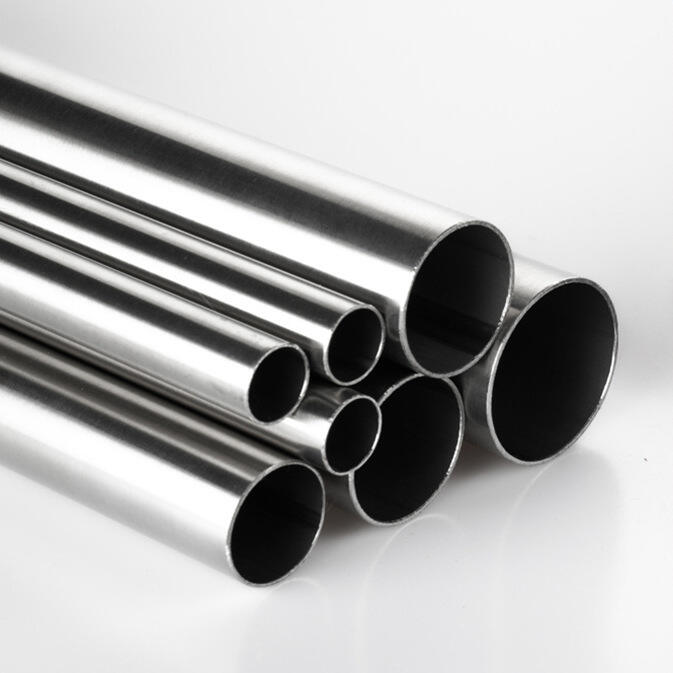
Comparative testing against other piping materials reveals that stainless steel pipes meet the most stringent drinking water standards established by regulatory agencies worldwide. They do not impart metallic taste to water, a common complaint with copper piping in soft water areas, nor do they release volatile organic compounds that can affect water palatability. For premium residential installations, hospitality facilities, and applications where water quality directly impacts product quality or consumer satisfaction, this chemical neutrality provides measurable value that enhances the end-user experience.
Outstanding Mechanical Strength and Pressure Capability
High Tensile Strength for Demanding Applications
The mechanical properties of stainless steel pipes enable them to withstand significantly higher working pressures compared to plastic alternatives and some copper alloys. This strength advantage allows for the use of thinner wall thicknesses without compromising system safety, resulting in weight savings and reduced material costs in large-scale installations. The high tensile strength also provides enhanced resistance to water hammer effects, which generate pressure spikes that can damage weaker piping materials and cause premature system failures.
In high-rise buildings where hydrostatic pressure at lower floors reaches substantial levels, stainless steel pipes maintain structural integrity without requiring excessive wall thickness or frequent support spacing. This capability simplifies system design and reduces installation complexity in challenging architectural environments. Industrial plumbing applications involving process water, compressed air distribution, or hydraulic systems particularly benefit from the pressure handling capabilities that stainless steel pipes deliver reliably across temperature variations and cyclic loading conditions.
Temperature Stability and Thermal Expansion Management
The dimensional stability of stainless steel pipes across temperature ranges makes them suitable for both hot and cold water distribution without requiring separate material specifications. Unlike plastic pipes that soften at elevated temperatures or become brittle in freezing conditions, stainless steel pipes maintain consistent mechanical properties from sub-zero temperatures to over 200 degrees Celsius. This thermal performance eliminates concerns about pressure rating derating at elevated temperatures, a limitation that affects thermoplastic piping systems.
The coefficient of thermal expansion for stainless steel pipes remains relatively low compared to plastic alternatives, reducing the magnitude of dimensional changes during temperature cycling. This characteristic simplifies expansion joint design and minimizes stress on pipe supports and connection fittings. In applications where plumbing systems experience frequent temperature fluctuations, such as recirculation loops or systems serving multiple end-use applications, the thermal stability of stainless steel pipes contributes to long-term joint integrity and reduced maintenance requirements.
Environmental Sustainability and Lifecycle Value
Complete Recyclability and Circular Economy Benefits
The environmental profile of stainless steel pipes extends beyond their operational performance to include significant advantages in material sustainability and end-of-life disposal. Stainless steel maintains its material properties through unlimited recycling cycles without degradation, making it a genuinely sustainable construction material. When building renovations or demolitions occur, stainless steel pipes can be completely recovered and reprocessed into new products, diverting material from landfills and reducing demand for virgin raw materials.
Current industry data indicates that over seventy percent of stainless steel production globally incorporates recycled content, demonstrating the established circular economy infrastructure surrounding these materials. For construction projects pursuing green building certifications or organizations with corporate sustainability mandates, the recyclability of stainless steel pipes contributes meaningful points toward environmental performance metrics. This recyclability also provides residual material value at project end-of-life, offsetting initial material costs when lifecycle economics are calculated comprehensively.
Reduced Water Loss Through Leak Prevention
The superior joint integrity and corrosion resistance of stainless steel pipes directly contribute to water conservation objectives by minimizing system leakage throughout the operational lifetime. Studies of municipal water systems reveal that aging pipe infrastructure loses substantial volumes of treated water through small leaks that gradually worsen as corrosion progresses. By eliminating corrosion-induced failures, stainless steel pipes help maintain distribution system efficiency and reduce the energy consumption associated with treating and pumping replacement water.
In regions facing water scarcity or where water costs represent significant operational expenses, the leak prevention capability of stainless steel pipes delivers measurable economic and environmental returns. Building owners can document reduced water consumption in sustainability reporting, while facility managers benefit from lower utility costs and reduced risk of water damage to building components. This performance characteristic aligns with increasing regulatory emphasis on water efficiency in building codes and corporate responsibility initiatives focused on resource conservation.
Cost-Effectiveness Through Reduced Maintenance Requirements
Minimal Inspection and Replacement Frequency
While stainless steel pipes typically command higher initial material costs compared to conventional alternatives, their maintenance profile generates significant lifecycle savings that improve overall cost-effectiveness. The absence of internal corrosion eliminates the need for periodic inspections to assess pipe wall thickness degradation, a routine maintenance requirement for carbon steel systems. Facility managers can allocate maintenance resources to other priorities rather than conducting preventive pipe replacements based on age-based deterioration assumptions.
The extended intervals between system interventions also reduce the indirect costs associated with plumbing maintenance, including occupant disruption, water service interruptions, and coordination with other building systems. For critical facilities such as hospitals, data centers, or manufacturing plants where unplanned downtime generates substantial costs, the reliability of stainless steel pipes provides operational continuity that supports core business functions. Total cost of ownership analyses consistently demonstrate that the premium initial investment in stainless steel pipes generates positive returns within the first decade of service life.
Compatibility with Modern Joining Technologies
Advances in joining technologies have enhanced the installation efficiency of stainless steel pipes, reducing labor costs that historically offset their material advantages. Press-fit connection systems enable rapid, reliable joints without requiring welding equipment or specialized skills, accelerating installation schedules and improving project economics. These mechanical joining methods also facilitate future system modifications, allowing building adaptations without extensive demolition or specialized repair procedures.
The availability of multiple connection options, including threaded, welded, grooved, and press-fit configurations, provides flexibility in matching joining methods to specific application requirements and contractor capabilities. This versatility enables stainless steel pipes to compete effectively in renovation projects where access limitations favor lightweight materials and rapid installation techniques. For design professionals specifying plumbing systems, the expanded range of connection technologies removes previous barriers to stainless steel pipe adoption in cost-sensitive market segments.
FAQ
Are stainless steel pipes suitable for both hot and cold water plumbing applications?
Yes, stainless steel pipes are exceptionally well-suited for both hot and cold water distribution systems. Their thermal stability allows them to handle temperature ranges from freezing conditions to over 200 degrees Celsius without degradation in mechanical properties or pressure ratings. Unlike some plastic piping materials that require derating at elevated temperatures, stainless steel pipes maintain consistent performance across the full spectrum of plumbing applications. This versatility makes them appropriate for domestic water systems, hot water recirculation loops, heating system connections, and cold water supply without requiring different material grades or specifications for temperature-specific applications.
How do stainless steel pipes compare to copper pipes in terms of long-term cost and performance?
Stainless steel pipes typically involve higher initial material costs than copper pipes but offer superior long-term value through extended service life and reduced maintenance requirements. While copper pipes may last twenty to thirty years before developing leaks due to pitting corrosion in aggressive water conditions, stainless steel pipes can deliver over fifty years of service with minimal degradation. The corrosion resistance of stainless steel eliminates the water quality issues associated with copper leaching in soft water areas, and their higher mechanical strength allows for thinner wall constructions in high-pressure applications. Lifecycle cost analyses that account for replacement frequency, water quality impacts, and maintenance interventions generally favor stainless steel pipes for applications where longevity and reliability are prioritized over initial budget constraints.
Can stainless steel pipes be used in underground plumbing installations or only above-ground applications?
Stainless steel pipes are entirely suitable for underground plumbing installations and actually perform exceptionally well in buried applications due to their corrosion resistance. Unlike carbon steel pipes that require cathodic protection or thick coatings when buried, stainless steel pipes resist soil-side corrosion without additional protective measures in most soil conditions. Their mechanical strength provides excellent resistance to ground movement and external loads, making them reliable for underground water services, site utilities, and applications where excavation for repairs would be particularly disruptive or expensive. Proper grade selection based on soil chemistry ensures optimal performance, with higher grades recommended for aggressive soil conditions such as those with high chloride content or low pH levels.
What maintenance considerations apply specifically to stainless steel pipe systems?
Stainless steel pipe systems require minimal maintenance compared to other plumbing materials, primarily involving visual inspections of exposed piping and verification of joint integrity during routine facility assessments. Unlike galvanized steel that requires monitoring for rust formation or copper that needs checking for green corrosion deposits, stainless steel pipes maintain their appearance and structural integrity with no special treatments. The main maintenance consideration involves ensuring that any insulation or external coatings remain intact to prevent condensation-related issues in cold water applications. For systems in industrial environments where external contamination might occur, periodic cleaning of exposed surfaces prevents potential crevice corrosion from deposits. Overall, the maintenance profile of stainless steel pipes focuses on connection points and supporting components rather than the pipe material itself, significantly reducing lifecycle maintenance costs and operational burden.
Table of Contents
- Exceptional Corrosion Resistance and Longevity
- Superior Hygiene Standards and Water Quality Protection
- Outstanding Mechanical Strength and Pressure Capability
- Environmental Sustainability and Lifecycle Value
- Cost-Effectiveness Through Reduced Maintenance Requirements
-
FAQ
- Are stainless steel pipes suitable for both hot and cold water plumbing applications?
- How do stainless steel pipes compare to copper pipes in terms of long-term cost and performance?
- Can stainless steel pipes be used in underground plumbing installations or only above-ground applications?
- What maintenance considerations apply specifically to stainless steel pipe systems?