
 EN
EN



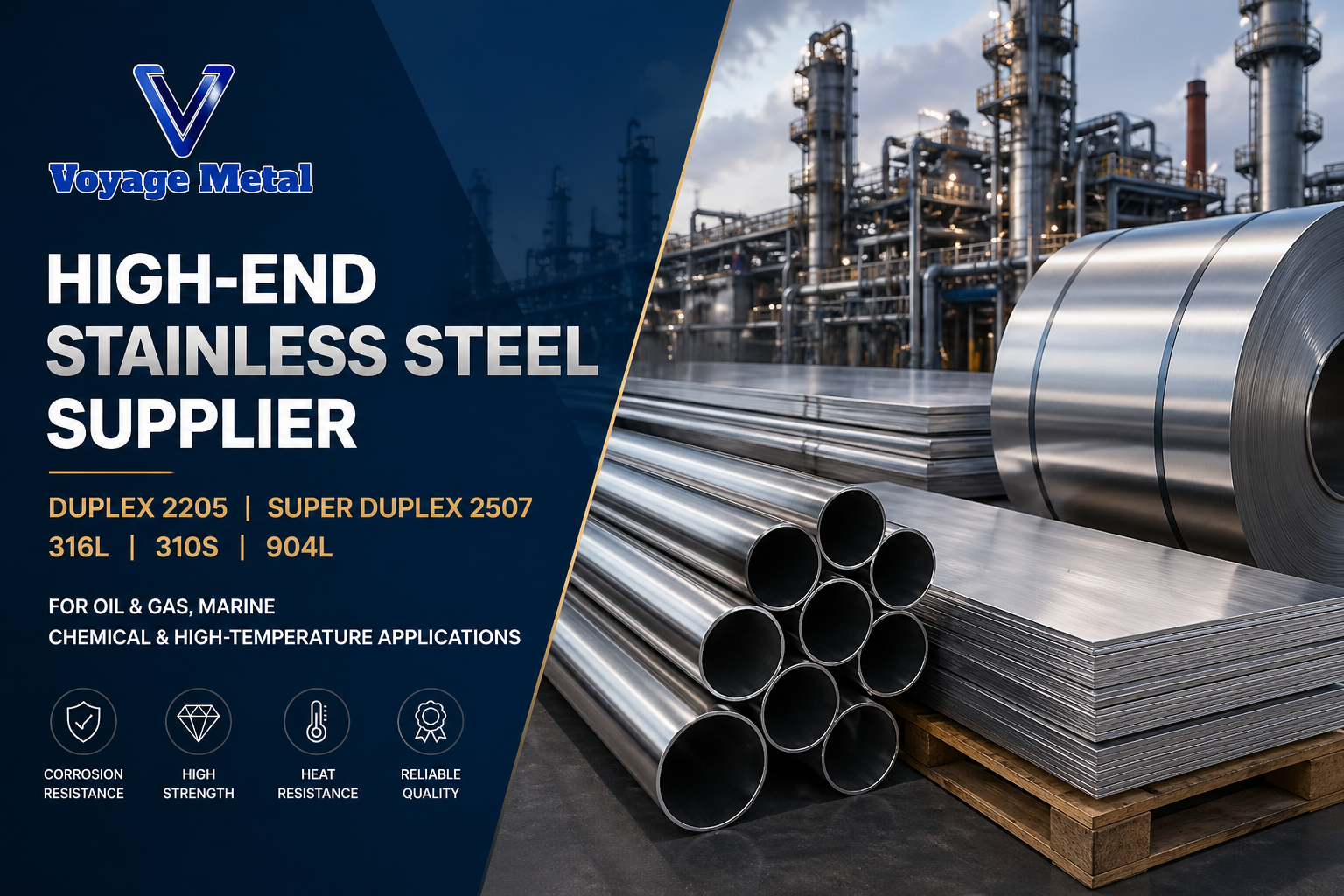
Selecting the appropriate stainless steel pipe for industrial, commercial, or residential projects requires a comprehensive understanding of material properties, application requirements, and performance expectations. The decision-making process involves evaluating multiple technical parameters including grade composition, dimensional specifications, corrosion resistance needs, pressure ratings, and environmental conditions. Making an informed choice ensures optimal performance, longevity, and cost-effectiveness throughout the operational lifespan of your installation.
The selection process begins with identifying the specific demands of your application environment and matching them against the available stainless steel pipe grades and configurations. Different industries face unique challenges ranging from high-temperature operations and aggressive chemical exposure to sanitary requirements and structural load considerations. Understanding how various stainless steel pipe characteristics respond to these conditions forms the foundation for making a selection that will deliver reliable performance while meeting budget constraints and regulatory compliance standards.
Understanding Stainless Steel Pipe Grade Selection
Austenitic Grade Characteristics and Applications
Austenitic stainless steel pipe grades represent the most widely used category in industrial applications, with 304 and 316 grades dominating the market. These grades contain high levels of chromium and nickel, providing excellent corrosion resistance and formability. The 304 grade stainless steel pipe offers superior general-purpose performance in moderate corrosive environments, making it suitable for food processing equipment, architectural applications, and general fabrication work. Its non-magnetic properties and good weldability make it a versatile choice for projects requiring both structural integrity and aesthetic appeal.
The 316 grade stainless steel pipe incorporates molybdenum into its composition, significantly enhancing resistance to chloride attack and pitting corrosion. This makes it the preferred option for marine environments, chemical processing facilities, pharmaceutical manufacturing, and applications involving exposure to acidic or saline solutions. When selecting between these austenitic grades, consider the specific corrosive agents present in your operating environment, as the cost premium for 316 grade material is justified only when enhanced corrosion resistance is genuinely necessary for long-term performance.
Ferritic and Martensitic Grade Considerations
Ferritic stainless steel pipe grades such as 409 and 430 offer magnetic properties and better thermal conductivity compared to austenitic types. These grades contain lower nickel content, making them more economical while still providing adequate corrosion resistance for less demanding applications. Ferritic grades work well in automotive exhaust systems, heat exchanger components, and architectural trim where moderate corrosion protection suffices. However, their reduced ductility and limited weldability compared to austenitic grades restrict their use in applications requiring extensive fabrication or forming operations.
Martensitic stainless steel pipe grades deliver high strength and hardness through heat treatment, making them suitable for applications requiring wear resistance and structural strength. Grades like 410 and 420 find use in valve components, pump shafts, and mechanical parts subjected to abrasive conditions. When choosing martensitic grades, recognize that their corrosion resistance is lower than austenitic types, and they require careful welding procedures to avoid cracking. The selection should balance mechanical strength requirements against corrosion protection needs, ensuring the chosen grade meets both performance criteria without over-specification.
Duplex Stainless Steel Pipe for Demanding Environments
Duplex stainless steel pipe combines austenitic and ferritic microstructures, delivering superior strength and enhanced resistance to stress corrosion cracking compared to conventional austenitic grades. These advanced materials excel in offshore oil and gas platforms, desalination plants, and chemical processing installations where high chloride concentrations and mechanical loads create extreme service conditions. The dual-phase structure allows for reduced wall thickness in pressure applications, potentially lowering material costs despite higher per-pound pricing.
Super duplex grades provide even greater corrosion resistance and strength, suitable for the most aggressive industrial environments including subsea pipelines and geothermal systems. When evaluating duplex stainless steel pipe for your project, consider the total lifecycle cost rather than initial material expense alone. The extended service life, reduced maintenance requirements, and ability to use thinner walls often justify the premium pricing in demanding applications where conventional grades would require frequent replacement or extensive corrosion allowances.
Dimensional Specifications and Sizing Criteria
Nominal Pipe Size and Schedule Requirements
Determining the correct nominal pipe size for your stainless steel pipe installation requires analysis of flow velocity requirements, pressure drop limitations, and space constraints within your facility layout. The nominal pipe size designation does not directly correspond to actual outside or inside diameter measurements, particularly in smaller sizes, necessitating reference to dimensional standards such as ASME B36.19M for accurate specification. Flow calculations should account for the fluid viscosity, desired throughput rates, and acceptable pressure losses to establish the minimum required internal diameter.
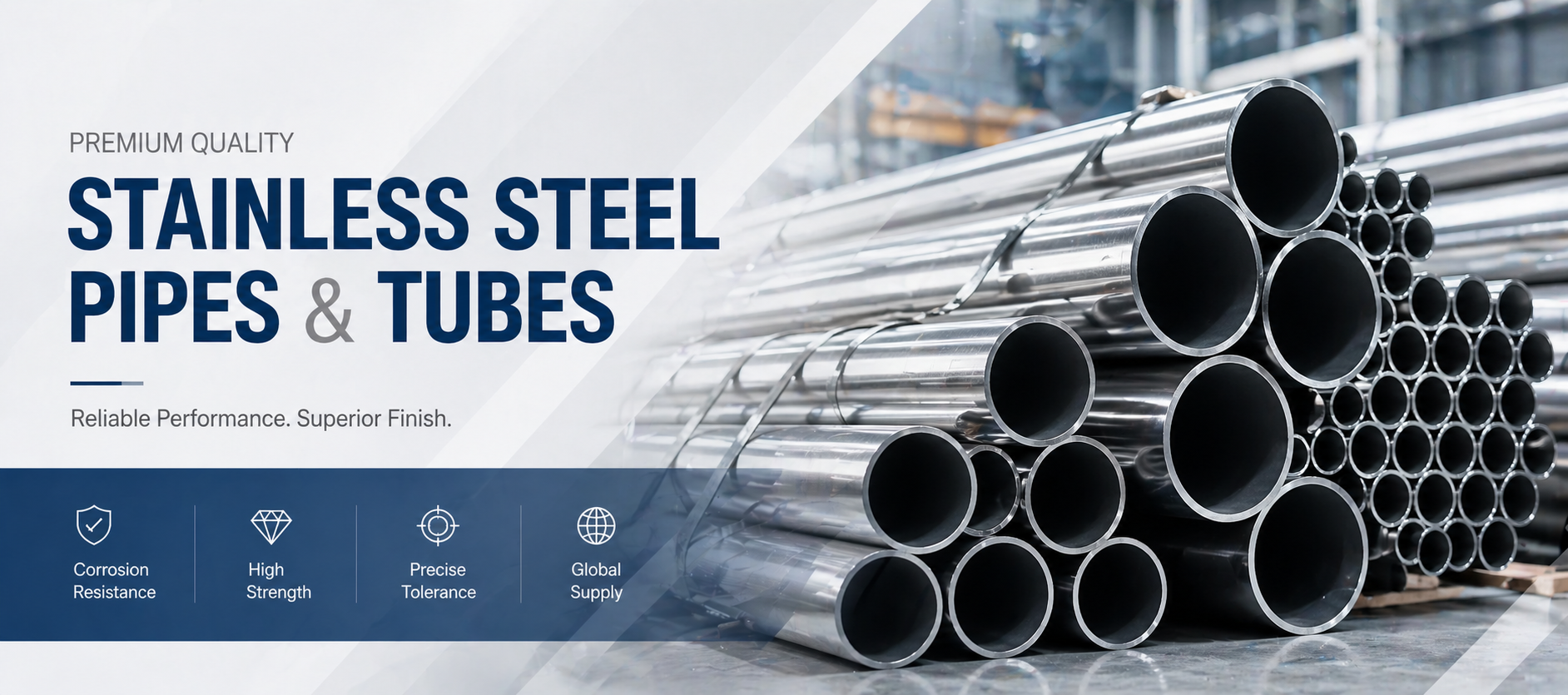
Schedule designation indicates wall thickness and directly impacts pressure rating, structural strength, and flow capacity of your stainless steel pipe system. Common schedules for stainless steel pipe include 5S, 10S, 40S, and 80S, with higher schedule numbers representing thicker walls. Pressure applications require schedule selection based on design pressure, design temperature, and allowable stress values from relevant codes such as ASME B31.3 for process piping. Structural applications may specify schedule based on load-bearing requirements rather than internal pressure considerations, requiring engineering analysis to determine adequate wall thickness.
Length Specifications and Fabrication Planning
Standard stainless steel pipe lengths typically range from 20 to 24 feet for seamless products and up to 40 feet for welded constructions, though custom lengths can be produced or cut to specification. Project planning should minimize the number of field joints by selecting pipe lengths that reduce welding requirements while remaining manageable for transportation and installation logistics. Longer lengths decrease the number of potential leak points and reduce installation labor costs, but may create handling challenges in confined spaces or require specialized lifting equipment.
When specifying stainless steel pipe lengths, coordinate with fabrication shops and installation crews to ensure practical handling dimensions. Consider building layout restrictions, elevator capacities, and site access limitations that might necessitate shorter sections despite the efficiency advantages of longer runs. Pre-fabrication of complex assemblies in shop environments often improves weld quality and reduces field installation time, making it worthwhile to specify lengths optimized for shop fabrication rather than simply maximizing individual pipe section length.
Wall Thickness Selection for Service Conditions
Appropriate wall thickness selection for your stainless steel pipe goes beyond meeting minimum pressure requirements to include considerations for corrosion allowance, erosion resistance, and mechanical abuse potential. Corrosive environments may warrant additional wall thickness beyond code-minimum values to provide material that can be sacrificed to corrosion while maintaining structural integrity throughout the design life. Erosive services involving high-velocity fluids or abrasive particles similarly benefit from increased wall thickness to accommodate material loss without compromising system safety.
External protection requirements also influence wall thickness decisions for stainless steel pipe installations subject to impact damage, vehicular traffic, or harsh environmental exposure. Areas with frequent maintenance activity or material handling operations may justify heavier wall schedules to prevent accidental damage that could compromise system integrity. Economic analysis should compare the incremental cost of heavier wall material against potential repair costs, downtime expenses, and safety risks associated with premature failure of minimum-specification pipe.
Manufacturing Method Selection and Quality Standards
Seamless Versus Welded Pipe Construction
Seamless stainless steel pipe manufacturing involves piercing and drawing solid billets to create pipe without longitudinal seams, resulting in uniform wall thickness and superior pressure ratings. This manufacturing method produces pipe particularly well-suited for high-pressure applications, critical services, and situations where weld line integrity concerns exist. Seamless pipe generally commands premium pricing compared to welded alternatives, making it appropriate for applications where the performance benefits justify the additional cost or where code requirements specifically mandate seamless construction.
Welded stainless steel pipe utilizes flat strip material formed into tubular shape with longitudinal welds joining the edges, offering cost advantages and wider size availability compared to seamless products. Modern welding techniques produce high-quality seams with mechanical properties approaching base material performance, making welded pipe acceptable for most industrial applications. Distinction between welded and seamless stainless steel pipe becomes critical primarily in extreme pressure services, highly corrosive environments affecting weld zones preferentially, or applications governed by conservative code interpretations requiring seamless construction.
Surface Finish Requirements and Processing Options
Surface finish selection for stainless steel pipe impacts both functional performance and aesthetic appearance, with options ranging from mill finish to highly polished surfaces measured in grit designations or Ra values. Sanitary applications in pharmaceutical, biotechnology, and food processing industries typically specify electropolished or mechanically polished surfaces with Ra values below 0.8 micrometers to facilitate cleaning and prevent bacterial harbor zones. These refined surfaces resist product adhesion and support validation of cleaning procedures critical for regulatory compliance.
Industrial process applications may accept mill finish or lightly pickled stainless steel pipe surfaces where appearance is secondary to functional performance and cost control. However, surface roughness affects flow characteristics in certain applications, with smoother internal finishes reducing pressure drop and minimizing particle retention in sensitive processes. External surface finish considerations include corrosion resistance enhancement through passivation treatments, visibility for inspection purposes, and alignment with architectural design intent in exposed installations where stainless steel pipe serves both functional and decorative roles.
Testing and Certification Documentation
Material test reports and certification documentation verify that supplied stainless steel pipe meets specified chemical composition, mechanical properties, and dimensional tolerances. EN 10204 Type 3.1 certificates provide independent verification of material properties through third-party inspection, offering the highest level of traceability for critical applications. Projects governed by stringent quality assurance requirements should specify the level of documentation required at the purchasing stage to ensure suppliers provide adequate material traceability and test result verification.
Non-destructive examination requirements for stainless steel pipe may include ultrasonic testing, radiographic examination, or eddy current inspection to detect internal defects, wall thickness variations, or weld discontinuities. Critical service applications warrant more extensive testing protocols, while routine installations may rely on standard mill testing practices. Balancing testing requirements against project criticality prevents both under-specification that creates failure risk and over-specification that unnecessarily inflates material costs without corresponding safety or performance benefits.
Environmental and Service Condition Analysis
Corrosion Resistance Evaluation
Assessing the corrosive environment represents the most critical factor in selecting appropriate stainless steel pipe grades for long-term reliable operation. Different corrosion mechanisms including uniform attack, pitting, crevice corrosion, stress corrosion cracking, and intergranular attack affect various stainless steel pipe grades differently based on their chemical composition and microstructure. Identifying specific corrosive agents present in your process stream or external environment guides grade selection to match resistance capabilities with actual exposure conditions.
Chloride concentration, pH levels, temperature ranges, and oxygen content all influence corrosion behavior of stainless steel pipe in aqueous environments. Low-chloride freshwater systems may perform adequately with 304 grade material, while seawater exposure or high-chloride process streams necessitate 316 or super austenitic grades. Acidic conditions require evaluation of specific acid type and concentration, as stainless steel pipe grades show varying resistance to sulfuric, hydrochloric, nitric, and organic acids. Field experience with similar service conditions provides valuable guidance when published corrosion data does not perfectly match your specific application parameters.
Temperature Considerations and Thermal Cycling
Operating temperature affects both mechanical properties and corrosion resistance of stainless steel pipe, requiring grade selection that maintains adequate strength and corrosion protection throughout the anticipated temperature range. Elevated temperatures accelerate most corrosion mechanisms while simultaneously reducing material yield strength and allowable stress values used in pressure design calculations. Applications involving temperatures above 500°F require consideration of carbide precipitation effects in unstabilized grades, potentially necessitating low-carbon or stabilized grades to prevent intergranular corrosion.
Cryogenic applications below -20°F benefit from austenitic stainless steel pipe grades that retain ductility and toughness at low temperatures, whereas ferritic and martensitic grades experience ductile-to-brittle transition. Thermal cycling between temperature extremes creates expansion and contraction stresses that may lead to fatigue failure in rigid piping systems unless properly designed with expansion joints or flexibility. The coefficient of thermal expansion for stainless steel pipe exceeds that of carbon steel, requiring attention to differential expansion in mixed-material systems to prevent stress concentration and potential leakage at dissimilar material joints.
Pressure and Mechanical Load Assessment
Design pressure calculation determines minimum required wall thickness for stainless steel pipe based on internal or external pressure loads, incorporating safety factors specified by applicable piping codes. The calculation considers material allowable stress at design temperature, pipe outside diameter, and weld joint efficiency factor for welded constructions. Surge pressure from pump starts, valve closures, or process upsets may exceed normal operating pressure, requiring analysis of transient conditions to prevent overstress during abnormal but anticipated operating scenarios.
External loads including weight of pipe and contents, insulation, snow or ice accumulation, and seismic forces create bending moments and deflections that must remain within acceptable limits. Span calculations between supports prevent excessive sagging that could create low points for condensate accumulation or vapor pockets in liquid systems. Vibration from rotating equipment, fluid pulsation, or wind effects requires evaluation to prevent fatigue failure in stainless steel pipe systems subjected to cyclic loading throughout their operational life.
Installation and Joining Method Compatibility
Welding Considerations for Different Grades
Welding procedure selection for stainless steel pipe must account for grade-specific metallurgical characteristics to achieve sound joints without excessive distortion, sensitization, or corrosion susceptibility. Austenitic grades generally weld readily using gas tungsten arc welding, gas metal arc welding, or shielded metal arc welding processes with matching filler metals. Maintaining interpass temperature control and using low heat input techniques minimize carbide precipitation and preserve corrosion resistance in the heat-affected zone adjacent to welds.
Ferritic and martensitic stainless steel pipe grades present greater welding challenges due to grain growth, hardening, and potential cracking in the heat-affected zone. These grades often require preheat and post-weld heat treatment to restore ductility and prevent delayed cracking. Duplex stainless steel pipe welding demands careful heat input control to maintain proper austenite-ferrite phase balance in the weld and heat-affected zone, necessitating qualified welding procedures and welder training specific to duplex materials.
Mechanical Joining Systems and Applications
Mechanical joining methods including threaded connections, grooved couplings, and compression fittings offer alternatives to welding for certain stainless steel pipe installations. Threaded connections work well in smaller diameter pipe systems where disassembly capability is desired, though thread engagement and sealant compatibility require attention to prevent leakage and galling of stainless steel threads. Pipe thread compounds must be compatible with stainless steel and the conveyed fluid, avoiding products that promote crevice corrosion or contaminate sensitive processes.
Grooved mechanical couplings provide rapid installation capability with built-in system flexibility to accommodate thermal expansion and minor misalignment. These joining methods suit stainless steel pipe systems requiring frequent modification or those in seismic zones benefiting from flexible connections. Gasket material selection within mechanical couplings must consider chemical compatibility, temperature limits, and pressure ratings to ensure reliable sealing throughout the system design life. Understanding the performance limitations of mechanical joints compared to welded construction guides appropriate application to system components where their characteristics provide advantages without compromising reliability.
Orbital Welding for Sanitary Applications
Automated orbital welding systems deliver consistent, high-quality welds in sanitary stainless steel pipe installations where internal weld quality directly impacts product purity and cleanability. These systems produce smooth, oxidation-free internal weld profiles without protruding weld beads that could harbor contaminants in pharmaceutical, biotechnology, or food processing applications. Orbital welding eliminates human variability in weld quality, providing documentation of welding parameters for each joint to support validation requirements in regulated industries.
Specifying orbital weld-compatible stainless steel pipe with precise dimensional tolerances ensures successful automated joining without fit-up problems that degrade weld quality. The investment in orbital welding equipment and operator training pays dividends through reduced rework, faster installation, and superior system cleanliness compared to manual welding methods. Projects involving significant quantities of sanitary stainless steel pipe should evaluate orbital welding as a means to achieve both installation efficiency and the high weld quality standards essential for sanitary service validation.
Economic Considerations and Total Cost Analysis
Initial Material Cost Versus Lifecycle Value
Comparing stainless steel pipe grades solely on initial material cost often leads to suboptimal selections that increase total ownership costs through premature replacement, excessive maintenance, or system downtime. A comprehensive economic analysis considers expected service life, maintenance frequency and cost, replacement expenses including installation labor and production interruption, and potential consequences of premature failure. Applications where stainless steel pipe replacement involves extended shutdowns or safety risks justify premium materials that extend service intervals even when initial costs significantly exceed minimum-specification alternatives.
Energy efficiency implications of stainless steel pipe selection include pressure drop affecting pumping costs, thermal conductivity influencing heat loss, and surface cleanliness impacting process efficiency. Smoother internal surfaces or larger diameters that reduce pressure drop may consume more material initially but deliver operating cost savings over the system lifecycle. Similarly, higher-grade stainless steel pipe that eliminates corrosion-related efficiency degradation maintains design performance throughout its service life rather than experiencing declining efficiency that increases energy consumption and reduces product quality.
Availability and Lead Time Management
Standard stainless steel pipe grades in common sizes typically maintain good market availability with short lead times from distributors and service centers, while exotic grades or unusual dimensions may require mill orders with extended delivery schedules. Project planning should verify material availability early in the design phase to avoid schedule delays or expensive expediting charges. Specifying readily available standard products rather than custom configurations reduces procurement costs and schedule risk unless project-specific requirements genuinely necessitate non-standard specifications.
Strategic material procurement may warrant ordering long-lead items early in the project schedule, potentially before detailed engineering is complete, to ensure material availability aligns with construction schedules. This approach carries risk of over-ordering or specification changes requiring material modification, but prevents construction delays when critical path activities depend on material installation. Working with experienced stainless steel pipe suppliers who maintain inventory and can provide technical guidance on availability optimizes the balance between material costs, schedule certainty, and specification appropriateness.
Installation Labor and Equipment Requirements
Installation costs for stainless steel pipe systems often exceed material expenses, making design choices that reduce field labor economically advantageous even when material costs increase. Prefabrication in controlled shop environments typically produces higher quality at lower total cost compared to extensive field fabrication in congested or remote locations. Modular design approaches that create transportable assemblies maximize shop fabrication benefits while minimizing field welding, cutting, and fit-up activities that proceed less efficiently than controlled shop operations.
Specialty equipment requirements for handling, cutting, beveling, and welding stainless steel pipe may necessitate contractor prequalification to ensure installation crews possess appropriate tools and expertise. Orbital welding systems, precision cutting equipment, and material handling devices suitable for stainless steel pipe differ from carbon steel installation tools, requiring verification that contractors can properly execute stainless steel work. Clear specification of installation quality standards and inspection requirements at the bidding stage prevents misunderstandings and ensures contractors price projects appropriately for the required workmanship level.
FAQ
What is the primary difference between 304 and 316 stainless steel pipe for project selection?
The primary difference lies in the addition of molybdenum to 316 grade stainless steel pipe, which significantly enhances resistance to chloride-induced pitting and crevice corrosion compared to 304 grade. This makes 316 the preferred choice for marine environments, chemical processing with chlorides present, and pharmaceutical applications requiring superior corrosion resistance. The 304 grade offers excellent general-purpose performance at lower cost for applications without aggressive chloride exposure, food processing with mild conditions, and architectural uses where aesthetic durability matters but extreme corrosion resistance is unnecessary.
How do I determine the correct wall thickness schedule for my stainless steel pipe application?
Wall thickness selection begins with pressure design calculations using applicable piping codes such as ASME B31.3, which consider design pressure, design temperature, material allowable stress, and pipe diameter. Beyond code-minimum requirements, evaluate whether additional thickness is warranted for corrosion allowance in aggressive environments, erosion resistance in high-velocity or abrasive services, or mechanical protection in areas subject to impact damage. Consult with piping engineers familiar with your industry to balance safety requirements, economic considerations, and operational experience to select appropriate schedule designations that provide adequate performance without unnecessary over-specification.
Can welded stainless steel pipe perform as reliably as seamless pipe in high-pressure applications?
Modern welded stainless steel pipe manufactured using high-quality processes with full penetration welds and proper heat treatment can achieve mechanical properties approaching seamless pipe performance, making it suitable for many high-pressure applications when properly specified and installed. However, seamless pipe eliminates potential weld line defects entirely and generally receives preference for the most critical high-pressure services, extreme cyclic loading conditions, and applications where weld inspection is difficult. The decision should consider specific code requirements for your application, service severity, available inspection capabilities, and cost-benefit analysis comparing the reliability improvement of seamless construction against its price premium for your particular operating conditions.
What documentation should I require when purchasing stainless steel pipe for a critical application?
Critical applications warrant EN 10204 Type 3.1 material test reports providing independent third-party verification of chemical composition, mechanical properties, and dimensional conformance for each heat of stainless steel pipe supplied. Additionally, specify any required non-destructive examination such as ultrasonic or radiographic testing with documented results, heat treatment certifications when applicable, and traceability markings on the pipe itself linking physical material to test documentation. For the most demanding applications in regulated industries, consider requiring positive material identification testing during receiving inspection and witnessed testing at the mill to ensure complete confidence in material pedigibility and conformance to specifications before the pipe enters your facility.
Table of Contents
- Understanding Stainless Steel Pipe Grade Selection
- Dimensional Specifications and Sizing Criteria
- Manufacturing Method Selection and Quality Standards
- Environmental and Service Condition Analysis
- Installation and Joining Method Compatibility
- Economic Considerations and Total Cost Analysis
-
FAQ
- What is the primary difference between 304 and 316 stainless steel pipe for project selection?
- How do I determine the correct wall thickness schedule for my stainless steel pipe application?
- Can welded stainless steel pipe perform as reliably as seamless pipe in high-pressure applications?
- What documentation should I require when purchasing stainless steel pipe for a critical application?