
 EN
EN


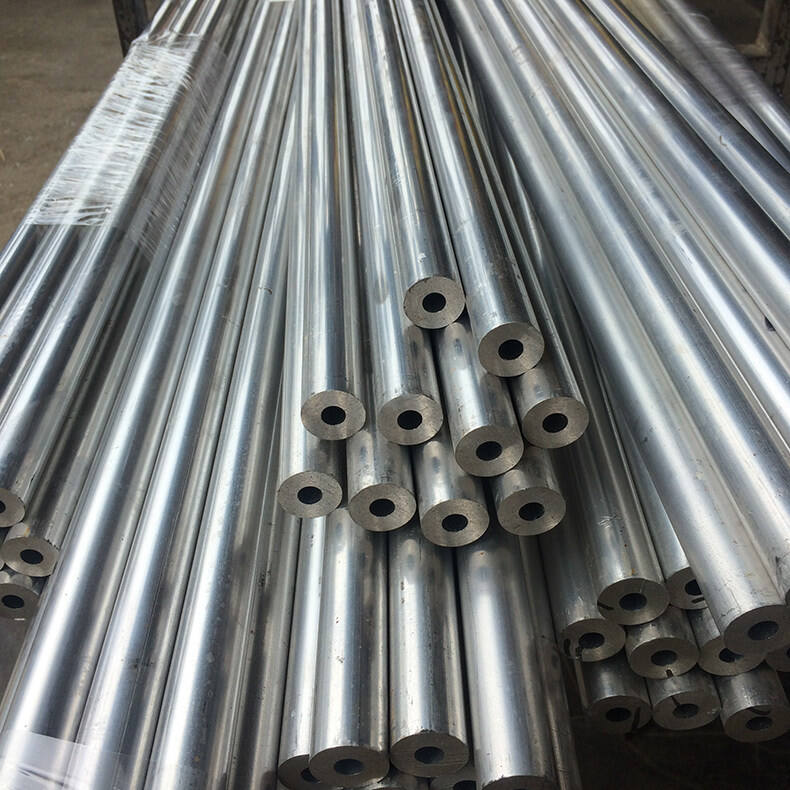
The oil and gas industry operates under some of the most demanding conditions found in any industrial sector. From deep-sea extraction platforms to onshore refineries and petrochemical processing facilities, the infrastructure used to transport hydrocarbons and associated fluids must withstand extreme pressures, corrosive environments, and fluctuating temperatures. In this context, stainless steel pipes have become a foundational material, relied upon by engineers and procurement specialists across every segment of upstream, midstream, and downstream operations.
Understanding why stainless steel pipes are essential in this industry goes beyond simply citing their physical properties. It requires examining the specific challenges that oil and gas operations present, and how these pipes address those challenges in ways that alternative materials cannot consistently replicate. This article explores the technical, economic, and safety-driven reasons that make stainless steel pipes indispensable in oil and gas applications worldwide.
The Hostile Environment of Oil and Gas Operations
Corrosion as the Primary Threat
Corrosion is the single greatest enemy of pipeline integrity in the oil and gas industry. Crude oil, natural gas, and their associated by-products often contain hydrogen sulfide, carbon dioxide, chlorides, and water — all of which aggressively attack carbon steel and other conventional materials. When these corrosive agents penetrate pipe walls, the results range from micro-leaks to catastrophic failures, both of which carry severe safety and financial consequences.
Stainless steel pipes resist this type of degradation through a passive chromium oxide layer that forms naturally on the surface. This self-repairing film acts as a barrier between the pipe material and corrosive media, maintaining structural integrity over long operational periods. In environments where sour gas and chloride-laden fluids are present, grades such as 316L and duplex stainless steel offer enhanced resistance that keeps pipeline systems operational far longer than carbon steel alternatives.
The financial implications of corrosion failures are enormous. Pipeline replacements, emergency shutdowns, environmental remediation, and regulatory penalties can cost operators tens of millions of dollars per incident. By specifying stainless steel pipes for critical flow lines and process tubing, operators significantly reduce the frequency and severity of corrosion-related failures throughout the asset's lifecycle.
Extreme Pressure and Temperature Demands
Oil and gas operations routinely expose piping systems to pressures that would compromise lesser materials. Wellhead assemblies, high-pressure injection lines, and subsea flowlines must maintain their mechanical integrity under pressures that can exceed thousands of pounds per square inch. Stainless steel pipes provide the tensile strength and yield strength necessary to perform reliably under these conditions without plastic deformation or fatigue cracking.
Temperature extremes present an equally serious challenge. Cryogenic applications in liquefied natural gas facilities require materials that remain ductile at extremely low temperatures without becoming brittle. Conversely, refinery process streams can reach elevated temperatures that would compromise the mechanical properties of many alloys. Stainless steel pipes maintain their structural characteristics across a wide temperature range, making them suitable for both cryogenic LNG handling and high-temperature refinery operations.
This thermal versatility is particularly valuable in facilities where process conditions vary significantly across different stages of production. Engineers can standardize on stainless steel pipes across multiple process zones, reducing the complexity of material procurement, inspection protocols, and maintenance planning.
Material Grades and Their Role in Oil and Gas Applications
Austenitic Grades for General Process Service
Among the various grades of stainless steel pipes used in the oil and gas industry, austenitic grades such as 304 and 316 are the most widely specified for general process service. Grade 304 offers excellent corrosion resistance in mild to moderately aggressive environments and is commonly used in instrumentation tubing, utility lines, and non-critical process piping where chloride concentrations remain low.
Grade 316 and its low-carbon variant 316L are preferred in applications involving chloride exposure, acid service, and marine environments. The addition of molybdenum to the 316 alloy system significantly improves pitting and crevice corrosion resistance, which is critical in offshore platforms and coastal refineries where seawater contamination is a constant risk. Stainless steel pipes in the 316 family are routinely specified for heat exchanger tubing, cooling water systems, and chemical injection lines in these settings.
The weldability of austenitic stainless steel pipes is another practical advantage. Field fabrication of pipework assemblies is common in both greenfield and brownfield oil and gas projects, and the ease with which these grades can be welded without post-weld heat treatment reduces fabrication time and labor costs significantly.
Duplex and Super Duplex Grades for High-Severity Service
In the most aggressive environments encountered in oil and gas production — such as deep-water subsea systems, high-chloride injection wells, and sour gas processing — duplex and super duplex stainless steel pipes deliver performance that austenitic grades cannot match. These materials combine a mixed microstructure of austenite and ferrite phases, resulting in higher strength and superior resistance to stress corrosion cracking compared to standard austenitic grades.
Super duplex grades, characterized by a pitting resistance equivalent number above 40, are specified for the most demanding offshore and subsea applications. Their resistance to hydrogen sulfide environments makes them particularly valuable in sour service conditions governed by international standards. Stainless steel pipes in duplex and super duplex grades allow operators to design thinner-walled, lighter piping systems without sacrificing pressure ratings — a significant advantage in weight-sensitive offshore structures.
The higher initial cost of duplex and super duplex stainless steel pipes is consistently offset by their extended service life and reduced maintenance requirements. Life-cycle cost analysis conducted across numerous offshore projects has demonstrated that these materials deliver superior economic value compared to lower-grade alternatives when total cost of ownership is properly accounted for.
Safety, Compliance, and Regulatory Alignment
Meeting Industry Standards and Codes
The oil and gas industry is one of the most heavily regulated sectors in the world, and for good reason. Pipeline failures can result in loss of life, environmental disasters, and significant reputational damage. Major international standards organizations, including ASTM, ASME, and API, have developed comprehensive specifications that govern the manufacture, testing, and application of stainless steel pipes in oil and gas service.
Compliance with these standards is not merely a legal obligation — it is an engineering imperative. Stainless steel pipes manufactured to ASTM A312 for seamless and welded austenitic pipe, or to ASTM A789 for duplex grades, provide documented traceability, consistent mechanical properties, and verified chemical compositions. This level of quality assurance is essential when specifying materials for pressure-containing systems where failure consequences are unacceptable.
Procurement teams in oil and gas companies understand that specifying stainless steel pipes from certified sources with full material test reports is a non-negotiable aspect of responsible asset management. Regulatory inspections and insurance underwriting increasingly scrutinize material certifications, making proper specification and documentation a business-critical activity.
Fire Resistance and Emergency Safety Considerations
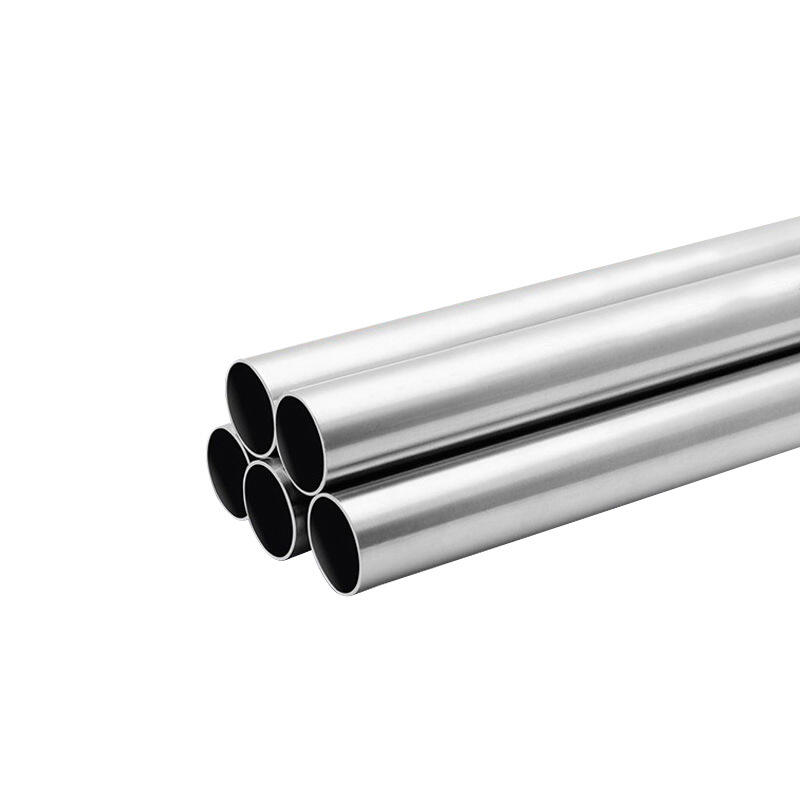
Beyond corrosion and pressure performance, stainless steel pipes offer inherent fire resistance properties that are particularly relevant in oil and gas processing environments. Process areas in refineries and gas plants are classified as hazardous zones where the risk of hydrocarbon fires must be carefully managed. The high melting point of stainless steel and its ability to retain structural integrity at elevated temperatures longer than many alternative materials provides an additional layer of passive fire protection in critical piping systems.
In emergency scenarios, the time that a piping system can continue to contain its inventory before failing has a direct bearing on the severity of the incident. Stainless steel pipes, particularly in high-alloy grades, provide operators with additional containment time — time that can be critical for initiating emergency shutdown procedures, activating deluge systems, and safely evacuating personnel from the affected area.
This fire performance characteristic, combined with the material's mechanical robustness, makes stainless steel pipes a preferred choice not just for process engineering but also for safety engineering in oil and gas facility design.
Long-Term Value and Lifecycle Economics
Reduced Maintenance and Inspection Frequency
One of the most compelling economic arguments for specifying stainless steel pipes in oil and gas applications is the substantial reduction in maintenance frequency and inspection costs over the asset's operational life. Carbon steel pipework in corrosive service requires regular inspection campaigns, internal coating maintenance, cathodic protection monitoring, and periodic replacement of degraded sections. These activities consume significant operational budget and often require process shutdowns that interrupt production.
Stainless steel pipes, by contrast, require far less intervention to maintain their integrity over equivalent service periods. The passive chromium oxide layer continuously regenerates without external intervention, and the material's inherent resistance to pitting and crevice corrosion means that internal inspection intervals can be extended without compromising safety margins. For operators managing large, geographically distributed pipeline networks, this reduction in inspection frequency translates into meaningful cost savings and improved production availability.
Asset integrity management programs in major oil and gas companies have consistently demonstrated that facilities using stainless steel pipes in appropriate service applications exhibit lower corrosion-related failure rates, longer mean time between failures, and lower total maintenance expenditure per unit of throughput compared to facilities relying primarily on carbon steel piping with protective coatings.
Alignment with Sustainability and ESG Objectives
The oil and gas industry is under increasing pressure from investors, regulators, and the public to reduce its environmental footprint and demonstrate responsible resource stewardship. Stainless steel pipes support these objectives in several meaningful ways. Their extended service life reduces the frequency of material replacement, thereby lowering the embodied carbon associated with manufacturing and installing new piping over the life of a facility.
Stainless steel is also among the most recyclable industrial materials available, with high scrap recovery rates at end of service life. The material can be remelted and reused without significant degradation of its properties, contributing to circular economy principles that are increasingly embedded in corporate sustainability strategies. For oil and gas companies publicly committed to reducing Scope 3 emissions and material waste, specifying stainless steel pipes in long-life applications is a measurable step toward those goals.
Furthermore, the superior leak-tightness of stainless steel pipes reduces the risk of fugitive emissions — hydrocarbon vapors escaping from improperly sealed joints or corroded pipe walls. Reducing fugitive emissions is both an environmental benefit and a regulatory requirement in many jurisdictions, making stainless steel pipes a material choice that simultaneously serves operational, environmental, and compliance objectives.
FAQ
What makes stainless steel pipes better than carbon steel pipes in oil and gas applications?
Stainless steel pipes offer significantly superior corrosion resistance compared to carbon steel, particularly in environments containing hydrogen sulfide, carbon dioxide, chlorides, and water — all common in oil and gas production. While carbon steel can be protected with coatings and cathodic protection, these systems require ongoing maintenance and can fail, leading to corrosion damage. Stainless steel pipes rely on an inherent passive layer that self-regenerates, providing more reliable and lower-maintenance protection over the asset's service life.
Which grade of stainless steel pipes is most commonly used in offshore oil and gas facilities?
Grade 316L is widely used in offshore applications for general process service, particularly where chloride exposure from seawater is a concern. For higher-severity applications such as subsea flowlines, chemical injection systems, and sour gas service, duplex and super duplex stainless steel pipes are preferred due to their superior resistance to stress corrosion cracking and pitting. The selection of the appropriate grade depends on the specific corrosive agents, operating pressures, temperatures, and regulatory requirements of each application.
Are stainless steel pipes cost-effective for oil and gas projects despite their higher initial price?
Yes, when evaluated on a lifecycle cost basis rather than initial purchase price alone, stainless steel pipes consistently demonstrate strong economic value in oil and gas applications. Their extended service life, reduced maintenance requirements, lower inspection frequency, and resistance to corrosion-related failures result in a lower total cost of ownership compared to carbon steel alternatives in corrosive service environments. The cost of a single pipeline failure — including production loss, remediation, and regulatory penalties — can easily exceed the material cost premium of an entire stainless steel piping system.
Do stainless steel pipes meet the regulatory requirements of the oil and gas industry?
Stainless steel pipes manufactured to recognized international standards such as ASTM A312, ASTM A789, and ASME specifications fully meet the regulatory requirements applicable to oil and gas pressure piping systems. These standards define chemical composition, mechanical properties, testing protocols, and dimensional tolerances that ensure consistent performance in service. When procured with full material test reports and third-party inspection certification, stainless steel pipes satisfy the documentation requirements of national regulators, insurance underwriters, and asset integrity management programs.
Table of Contents
- The Hostile Environment of Oil and Gas Operations
- Material Grades and Their Role in Oil and Gas Applications
- Safety, Compliance, and Regulatory Alignment
- Long-Term Value and Lifecycle Economics
-
FAQ
- What makes stainless steel pipes better than carbon steel pipes in oil and gas applications?
- Which grade of stainless steel pipes is most commonly used in offshore oil and gas facilities?
- Are stainless steel pipes cost-effective for oil and gas projects despite their higher initial price?
- Do stainless steel pipes meet the regulatory requirements of the oil and gas industry?