
 EN
EN


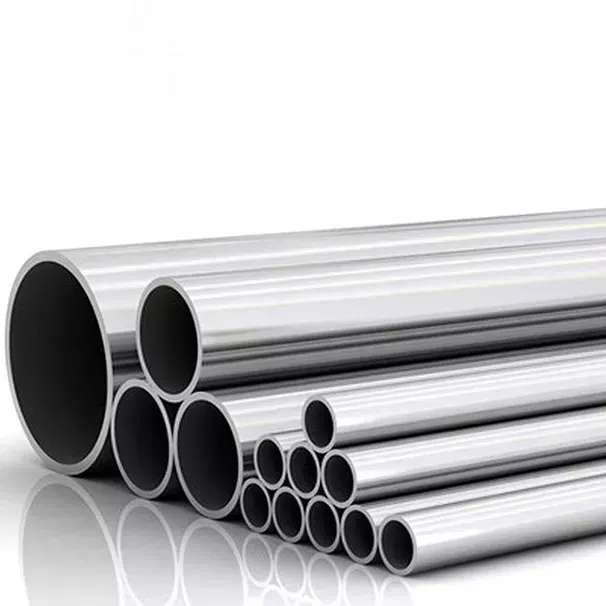
Maintaining stainless steel pipes properly is one of the most cost-effective decisions an industrial facility or construction project manager can make. While stainless steel is inherently resistant to corrosion and mechanical stress, it is not entirely maintenance-free. Without a structured maintenance approach, even the highest-grade stainless steel pipes can develop surface degradation, pitting, or contamination that shortens their useful life significantly. Understanding what maintenance involves — and when to apply it — ensures that your investment in these pipes pays off over the long term.
This guide is designed for engineers, procurement specialists, and facility managers who rely on stainless steel pipes across demanding environments — from chemical processing and food production to oil and gas infrastructure. The maintenance steps outlined here are grounded in practical, field-tested methods that align with the performance expectations of modern stainless steel piping systems. By following these principles consistently, your stainless steel pipes will maintain both structural integrity and surface quality across decades of service.
Understanding Why Stainless Steel Pipes Need Maintenance
The Passive Layer and Its Vulnerabilities
Stainless steel pipes owe their corrosion resistance to a thin, invisible chromium oxide layer that forms naturally on the surface when exposed to oxygen. This passive layer continuously regenerates in clean, oxygenated environments — but it can be disrupted by chemical exposure, mechanical abrasion, or contamination from iron particles. Once this layer is compromised, localized corrosion such as pitting or crevice corrosion can begin, spreading deeper into the metal if left unaddressed.
Understanding the behavior of this passive layer is the foundation of all effective maintenance strategies for stainless steel pipes. Maintenance is not simply about cleaning visible dirt — it is about preserving and restoring the electrochemical surface that gives stainless steel its defining property. Facilities that treat maintenance as a reactive task rather than a preventive one tend to face significantly higher replacement costs over time.
Common Environmental Threats to Stainless Steel Pipes
Several environmental factors can accelerate degradation in stainless steel pipes even under normal operating conditions. Chloride-rich environments — such as coastal installations, saltwater cooling systems, or food-grade processing with brine exposure — are among the most aggressive. Chloride ions attack the passive layer directly and can cause stress corrosion cracking in grades that are not specifically selected for such conditions.
High-temperature applications introduce additional risks, including sensitization, where chromium migrates to grain boundaries during prolonged heat exposure, reducing localized corrosion resistance. Mechanical threats such as vibration fatigue, pressure cycling, and surface scratching from improper handling or tooling also create vulnerability points that demand attention during scheduled maintenance intervals. Recognizing these threats early allows maintenance teams to apply targeted interventions before problems escalate.
Routine Cleaning Practices for Stainless Steel Pipes
Establishing a Cleaning Schedule
A consistent cleaning schedule is the most fundamental maintenance activity for stainless steel pipes. The frequency depends heavily on the operating environment — pipes exposed to chlorides, acids, or biological matter require more frequent cleaning than those in dry, neutral environments. A general best practice is to inspect and clean external pipe surfaces at least quarterly in moderate-risk environments and monthly in high-exposure conditions.
Internal cleaning of stainless steel pipes typically requires scheduled flushing or chemical cleaning, particularly in systems where mineral deposits, biofilms, or process residues accumulate over time. Neglecting internal surfaces can lead to flow restriction, localized corrosion under deposits, and contamination risks in industries such as pharmaceuticals and food processing, where hygiene standards are legally binding.
Approved Cleaning Agents and Techniques
When cleaning stainless steel pipes, selecting the correct cleaning agent is critical. Mild alkaline cleaners or diluted phosphoric acid solutions are typically recommended for routine surface cleaning. Avoid using hydrochloric acid or bleach-based products, as these contain chlorides that will aggressively attack the passive layer and initiate corrosion even on high-grade material.
Mechanical cleaning methods should rely on non-abrasive tools — soft cloths, nylon brushes, or dedicated stainless steel wire brushes that have not previously been used on carbon steel. Cross-contamination from carbon steel tools is a frequently overlooked cause of rust spots on stainless steel pipes, where embedded iron particles oxidize independently on the surface. After cleaning, rinsing thoroughly with clean water and allowing proper drying helps restore and stabilize the passive layer.
Inspection Protocols for Long-Term Integrity
Visual and Surface Inspections
Visual inspection remains one of the most accessible and informative maintenance tools for stainless steel pipes. Inspectors should look for discoloration, surface staining, rust-like deposits, scratches, or signs of crevice formation around fittings and supports. While some surface discoloration — such as heat tint from welding — is cosmetic, other marks can indicate the early stages of corrosion or mechanical stress.
Pipe supports and clamps deserve particular attention, as contact zones between dissimilar materials can trap moisture and create galvanic or crevice corrosion conditions. Using non-metallic or rubber-lined supports for stainless steel pipes significantly reduces this risk. Documentation of inspection findings, including photographs, helps maintenance teams track surface changes over time and prioritize remediation work before minor issues become structural concerns.
Non-Destructive Testing for Industrial Pipes
For critical industrial applications, visual inspection alone is insufficient. Non-destructive testing (NDT) methods such as ultrasonic thickness measurement, eddy current testing, and dye penetrant inspection provide quantitative data about the condition of stainless steel pipes without removing them from service. These methods are particularly valuable for high-pressure piping, buried lines, or systems that operate continuously.
Ultrasonic testing is especially effective at detecting wall thinning caused by internal corrosion or erosion — a common issue in slurry transport or high-velocity fluid systems. Scheduling NDT at defined intervals, calibrated to the risk profile of each pipe segment, ensures that maintenance resources are directed where they are most needed. This data-driven approach to inspecting stainless steel pipes supports predictive maintenance programs that dramatically reduce unplanned downtime.
Repair, Restoration, and Passivation Treatments
When and How to Passivate Stainless Steel Pipes
Passivation is a controlled chemical treatment that removes free iron, contaminants, and surface impurities from stainless steel pipes, restoring and strengthening the protective chromium oxide layer. It is typically performed after fabrication, welding, or any maintenance work that has mechanically or thermally disturbed the surface. The most common passivation methods use citric acid or nitric acid solutions applied under controlled temperature and time conditions.
Passivation should be viewed as a scheduled maintenance procedure, not just a post-fabrication step. After extended service in corrosive environments, or following any significant repair or modification, passivating stainless steel pipes resets their corrosion resistance to near-original specifications. Facilities that incorporate passivation into their maintenance cycles consistently report longer service intervals and fewer corrosion-related failures compared to those that treat it as a one-time activity.
Addressing Weld Zones and Heat-Affected Areas
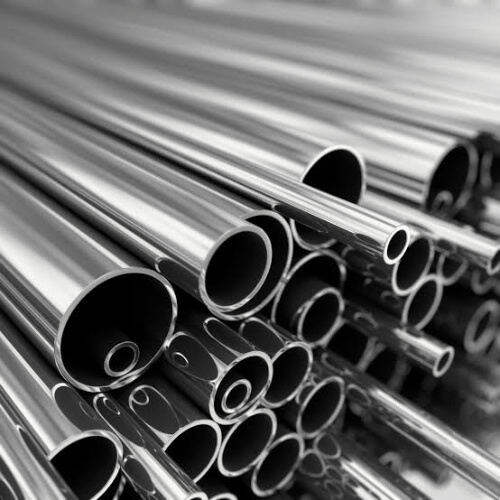
Welded joints and heat-affected zones are statistically the most vulnerable sections of any stainless steel pipe system. The heat generated during welding changes the microstructure near the joint, reducing chromium availability at grain boundaries and creating a sensitized zone that is more susceptible to intergranular corrosion. For maintenance purposes, these areas demand more frequent inspection and targeted treatment.
Post-weld treatments such as pickling — using a mixture of nitric and hydrofluoric acid — remove the heat-affected oxide layer and restore the protective surface. Electropolishing is another option that not only passivates the surface but also smooths micro-irregularities that can trap contaminants. For stainless steel pipes used in pharmaceutical, semiconductor, or food-grade applications, post-weld surface treatment is often mandated by industry standards and regulatory requirements.
Best Practices for Handling and Installation to Reduce Maintenance Burden
Proper Handling During Storage and Transport
Long-term durability begins well before a pipe enters service. Stainless steel pipes should be stored in clean, dry environments, separated from carbon steel components to prevent cross-contamination. Protective end caps should remain in place until installation to prevent moisture ingress and contamination of internal surfaces. Pipes stored outdoors should be elevated off the ground and covered to avoid exposure to standing water and airborne particulates.
During transport and on-site handling, stainless steel pipes should be lifted and moved with nylon slings or padded supports rather than chains or bare steel equipment. Surface damage incurred during handling — including scratches, gouges, and iron contamination — creates maintenance liabilities that can compound over the service life of the system. Treating stainless steel pipes with the same care during handling as during operation is an often-overlooked but highly impactful maintenance strategy.
Installation Considerations That Affect Long-Term Maintenance
The way stainless steel pipes are installed directly determines how easy or difficult they will be to maintain over their operational lifetime. Pipe routing should allow sufficient access for inspection tools and cleaning equipment — dead legs, tight bends, and inaccessible segments make maintenance significantly more difficult and create areas where contamination can accumulate undetected. Wherever possible, hygienic design principles should guide layout decisions.
Proper support spacing prevents excessive deflection and vibration that can fatigue pipe joints over time. Expansion joints and flexible couplings should be used where thermal cycling or mechanical movement is expected, as these protect both the pipe material and the joints from stress concentrations. Documenting the installation details — including material grades, weld records, and support locations — creates a maintenance baseline that informs every future inspection and repair decision for your stainless steel pipes.
FAQ
How often should stainless steel pipes be inspected in an industrial setting?
The inspection frequency for stainless steel pipes depends on the operating environment and the criticality of the system. As a baseline, external visual inspection should occur at least twice per year for standard industrial applications, with monthly checks in high-corrosion or high-pressure environments. Non-destructive testing should be scheduled annually for critical systems, or immediately after any unusual operating event such as a pressure surge or chemical spill.
Can stainless steel pipes develop rust, and how should it be treated?
Yes, stainless steel pipes can develop surface rust under certain conditions, most commonly from iron contamination, chloride exposure, or damage to the passive layer. This surface rust is typically not deep structural corrosion but it must be addressed promptly. Cleaning with a diluted oxalic acid solution or a dedicated stainless steel cleaner, followed by thorough rinsing and optional passivation, will restore the surface in most cases. Persistent staining may indicate a more aggressive corrosion mechanism that requires professional assessment.
Is passivation necessary for all grades of stainless steel pipes?
Passivation is beneficial for virtually all grades of stainless steel pipes, but it is especially critical for grades with lower chromium content or those used in aggressive service conditions. Austenitic grades such as 304 and 316 respond very well to passivation and should be treated after any surface disturbance. Higher-alloy grades used in specialized applications may have different treatment protocols, so following the material manufacturer's specifications and relevant industry standards — such as ASTM A380 — is always advisable.
What is the biggest mistake made in stainless steel pipe maintenance?
The most common and costly mistake in maintaining stainless steel pipes is using carbon steel tools, wire brushes, or abrasive pads that deposit iron particles onto the stainless surface. These embedded particles oxidize rapidly and create rust spots that are mistaken for base metal corrosion, leading to unnecessary replacement. A strict tool segregation policy — where stainless steel pipes are only worked on with dedicated, clean stainless-compatible equipment — prevents this problem entirely and is one of the simplest high-impact maintenance practices available.