
 EN
EN


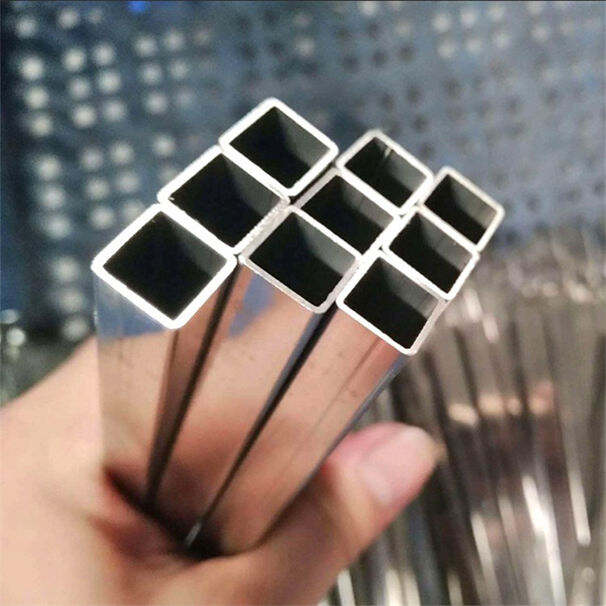
Marine engineering operates in one of the most demanding environments on Earth. Saltwater corrosion, extreme pressure differentials, constant mechanical stress, and biological fouling are just a few of the forces that challenge every component aboard a vessel or offshore structure. Among the materials that have proven their worth in these conditions, stainless steel pipes stand out as a foundational element across virtually every marine system. Their unique combination of corrosion resistance, mechanical strength, and long service life makes them indispensable to engineers designing systems that must perform reliably for decades beneath the sea and above it.
Understanding exactly where and how stainless steel pipes are applied in marine engineering helps procurement professionals, shipbuilders, and offshore project managers make smarter material selection decisions. From the engine rooms of commercial cargo ships to the subsea pipelines of deepwater oil fields, the range of applications is broad and technically sophisticated. This article explores the key application areas in detail, explaining the engineering logic behind each use and the specific grades — particularly the 316-series — that make these applications possible.
Fluid Transport Systems Aboard Vessels
Seawater Cooling and Ballast Pipework
One of the most critical fluid systems on any ocean-going vessel is the seawater cooling circuit. Engines, generators, and auxiliary machinery all generate enormous heat loads that must be dissipated efficiently. Seawater is drawn in through sea chests and circulated through heat exchangers before being discharged back overboard. Stainless steel pipes, particularly those in the 316 and 316L grades, are widely specified for this service because chloride-bearing seawater is highly aggressive toward ordinary carbon steel and lower-grade alloys.
The molybdenum content in 316-series alloys — typically around 2 to 3 percent — dramatically improves resistance to pitting and crevice corrosion in saline environments. This makes stainless steel pipes the preferred choice over copper-nickel alloys in many modern vessel designs, especially where weight savings and ease of welding are priorities. Ballast water systems, which handle large volumes of raw seawater and are subject to periodic flooding and draining, also benefit from the same corrosion resistance properties.
Designers must account for flow velocities, as very high-velocity seawater can cause erosion-corrosion even in stainless materials. However, with proper system design and appropriate wall thicknesses, stainless steel pipes deliver service lives well suited to the operational demands of commercial shipping and naval vessels alike.
Fuel Oil and Hydraulic Fluid Piping
Beyond seawater systems, stainless steel pipes are extensively used for fuel oil transfer and hydraulic fluid circuits aboard vessels. Fuel systems must prevent contamination, resist the chemical action of modern low-sulfur fuel oils, and withstand the vibration loads inherent in marine machinery spaces. Stainless materials meet these requirements while also satisfying fire safety regulations that govern high-pressure fuel lines in proximity to heat sources.
Hydraulic systems aboard ships — powering steering gear, hatch covers, mooring winches, and crane mechanisms — operate at pressures that demand high-integrity piping. Stainless steel pipes offer the mechanical strength and fatigue resistance needed to handle cyclic pressure fluctuations over long service intervals. Their smooth internal surfaces also reduce pressure drop and minimize the risk of particulate contamination that could damage sensitive hydraulic components.
Offshore Oil and Gas Platform Piping
Process Piping on Topside Facilities
Offshore oil and gas platforms are among the most demanding environments for piping systems. Topsides process piping handles a complex mixture of hydrocarbons, produced water, injection chemicals, and sometimes highly corrosive hydrogen sulfide-bearing fluids. Stainless steel pipes in 316, 316Ti, and 317L grades are routinely specified for process lines where carbon steel would require extensive chemical inhibition programs or suffer unacceptable corrosion rates.
The ability to handle both the process fluid internally and the marine atmosphere externally without protective coating in many instances gives stainless steel pipes a lifecycle cost advantage on offshore platforms. While the initial material cost is higher than carbon steel, reduced maintenance requirements and extended replacement intervals often justify the investment over a platform's operational life, which can span twenty years or more.
For firewater ring main systems on offshore platforms, stainless steel pipes are also favored because they eliminate the need for internal lining and can be deployed in configurations that allow rapid fabrication and installation. Given the safety-critical nature of firewater systems, long-term reliability is a non-negotiable requirement that stainless materials consistently satisfy.
Subsea Pipeline and Riser Applications
Subsea applications present an even more extreme set of conditions. Stainless steel pipes used in subsea jumper spools, manifold piping, and production riser assemblies must resist external seawater exposure at high pressure and low temperature simultaneously. The combination of high mechanical loads from ocean currents, thermal cycling, and internal fluid pressure demands materials with outstanding fatigue and fracture resistance.
316-series stainless steel pipes are commonly used for subsea instrumentation tubing, chemical injection lines, and hydraulic control line bundles that run along umbilicals from the surface to the seabed. These lines must maintain leak-free integrity for years without any possibility of intervention or maintenance. The corrosion resistance of the 316 family, combined with the flexibility achieved through small-diameter tubing, makes it an ideal solution for these demanding subsea control applications.
Shipbuilding and Naval Architecture Applications
Exhaust and Ventilation Ducting
Modern shipbuilding increasingly specifies stainless steel pipes and ducting for exhaust systems, particularly as emission control regulations have tightened. Scrubber systems, which clean sulfur oxides from engine exhaust gases using seawater spray, subject their internal piping to a corrosive combination of acidic condensates and chloride-bearing wash water. Stainless steel pipes in 316L or 317L grades are well suited to these conditions, where ordinary mild steel would corrode rapidly and compromise emission control performance.
Ventilation systems aboard naval vessels and commercial ships also utilize stainless steel pipes for runs through corrosive zones such as bilges, machinery spaces, and areas with exposure to seawater spray. The durability of stainless piping reduces the frequency of inspection and replacement cycles, which is particularly valuable on vessels with limited dry-dock intervals.
Accommodation and Utility Systems
Crew accommodation areas on vessels and offshore platforms require potable water systems, sanitary drainage, and HVAC piping that meets hygiene standards and resists internal corrosion. Stainless steel pipes are used extensively in these systems because they do not introduce contaminants into drinking water, they resist biofilm formation better than many alternatives, and they maintain their structural integrity over decades of continuous service.
Galley and laundry areas generate hot water and steam at temperatures that can be problematic for some piping materials. Stainless steel pipes handle these temperature ranges without degradation, making them a practical and reliable choice for utility distribution throughout accommodation modules on large cruise ships, naval frigates, and offshore living quarters platforms.
Desalination and Water Treatment in Marine Settings
Reverse Osmosis and Evaporator Systems
Freshwater generation is essential aboard long-range vessels and remote offshore platforms. Reverse osmosis desalination plants and flash evaporator systems process large volumes of seawater to produce potable water, and the piping within these systems is exposed to aggressive brine streams at elevated temperatures. Stainless steel pipes with high chromium and molybdenum content, such as those in the 316 and 317L families, are regularly used throughout these installations to withstand both the chemical and thermal demands of the process.
The high-pressure feed side of reverse osmosis systems subjects piping to sustained mechanical stress in addition to chemical exposure. Stainless steel pipes provide the burst pressure margins required by classification society rules while also avoiding the risk of metallic contamination that could foul delicate membrane elements. This combination of mechanical and chemical properties is difficult to achieve with alternative materials at comparable cost.
Seawater Lift and Distribution Pipework
Water treatment plants on offshore platforms use seawater for injection into reservoirs to maintain production pressure. Seawater lift pumps draw large volumes of raw seawater from below the platform and push it through treatment trains before injection. Stainless steel pipes handle both the raw seawater intake and the treated injection water distribution, with grade selection based on the specific chloride concentration and operating temperature of each process stream.
For seawater injection systems where microbial activity could be a concern, the smooth bore of stainless steel pipes reduces attachment points for sulfate-reducing bacteria, which can cause microbiologically influenced corrosion. Combined with appropriate biocide dosing, stainless piping in these systems offers a highly reliable long-term solution for one of offshore engineering's most challenging utility services.
Selection Considerations for Marine Stainless Pipe Grades
Understanding the 316 Family and Its Variants
Not all stainless steel pipes are interchangeable in marine applications. The 316 series — encompassing 316, 316L, 316Ti, 316N, 317, and 317L grades — offers a range of properties tailored to specific service requirements. The low-carbon 316L grade is preferred where welding is extensive, as it minimizes the risk of sensitization and intergranular corrosion in heat-affected zones. The titanium-stabilized 316Ti variant offers similar protection with the addition of improved high-temperature performance, making it relevant for exhaust-adjacent piping and steam applications.
The nitrogen-enhanced 316N grade delivers higher yield and tensile strength than standard 316, which can be useful in high-pressure piping applications where wall thickness reduction is desirable for weight saving. The 317 and 317L grades contain higher molybdenum content than 316, extending their resistance to pitting in more aggressive chloride environments such as concentrated brine streams and high-temperature seawater services. Selecting stainless steel pipes from the appropriate grade within this family is a critical engineering decision that affects system longevity and lifecycle cost.
Classification Society and Regulatory Compliance
Marine engineering projects are subject to oversight by classification societies such as Lloyd's Register, DNV, Bureau Veritas, and ABS. These organizations publish rules governing the material specifications, fabrication standards, and inspection requirements for piping systems on vessels and offshore structures. Stainless steel pipes intended for marine use must carry appropriate mill certifications and comply with recognized standards such as ASTM A312, ASTM A269, or equivalent specifications recognized by the relevant classification authority.
Compliance with these regulatory frameworks is not optional — it is a prerequisite for vessel certification and operational approval. Specifying stainless steel pipes that come with full material traceability, third-party inspection reports, and compliance documentation protects the project from costly delays and provides assurance to operators that the piping systems will perform as designed throughout the vessel's service life.
FAQ
Why is the 316 grade preferred over 304 for marine applications?
The 316 grade contains molybdenum, which significantly improves resistance to chloride-induced pitting and crevice corrosion. In saltwater environments, 304-grade stainless steel pipes are prone to localized corrosion that can lead to premature failure. The molybdenum addition in 316 and its variants makes them far better suited to the sustained chloride exposure encountered in seawater cooling systems, offshore process piping, and other marine service conditions.
Can stainless steel pipes be used for subsea applications without additional protection?
For many subsea applications such as chemical injection lines, hydraulic control tubing, and instrument lines, stainless steel pipes in the 316 family can perform without additional cathodic protection or coating because the volumes involved are small and the tubing is often enclosed within umbilical bundles. However, for larger-diameter subsea pipelines carrying production fluids, corrosion protection strategies are evaluated on a case-by-case basis depending on fluid chemistry, temperature, and pressure conditions.
What wall thickness standards apply to marine stainless steel pipe installations?
Wall thickness for stainless steel pipes in marine installations is governed by a combination of pressure design calculations, classification society rules, and applicable standards such as ASME B31.3 for process piping. The specific wall thickness required depends on the design pressure, fluid service, operating temperature, and the applicable safety factor specified by the certifying authority. Engineers typically add a corrosion allowance, though for stainless materials in well-matched service conditions this allowance is often minimal compared to carbon steel systems.
How do you join stainless steel pipes in marine piping systems?
Stainless steel pipes in marine systems are most commonly joined by orbital or manual TIG welding, which produces high-integrity, low-distortion joints suitable for pressure service. Flanged connections are used where disassembly for maintenance is anticipated. Compression fittings and orbital-welded tube connections are prevalent in smaller-diameter instrument and hydraulic lines. All joining methods must be qualified under the relevant welding procedure specifications and tested to meet classification society requirements before installation.