
 EN
EN



အလူမီနီယမ်သည် ချေးမိပါသလား။ အလူမီနီယမ် ချေးမိခြင်းအကြောင်းရင်းများနှင့် စတီလ်ပြား၊ ပြားချပ်၊ ကွေးချပ်၊ ပိုက်နှင့် ဘားအတွက် သင့်တော်သော အလူမီနီယမ်အမျိုးအစားကို ရွေးချယ်နည်း
အလူမီနီယမ်သည် ချေးမိပါသလား။ အလူမီနီယမ် ချေးမိခြင်းအကြောင်းရင်းများနှင့် စတီလ်ပြား၊ ပြားချပ်၊ ကွေးချပ်၊ ပိုက်နှင့် ဘားအတွက် သင့်တော်သော အလူမီနီယမ်အမျိုးအစားကို ရွေးချယ်နည်း
အလူမီနီယမ်သည် သံခဲကဲ့သို့ တွေ့ရခဲ့သည့် သံမွေးမှု (rust) မဖြစ်ပေမည့် အချို့သော ပတ်ဝန်းကျင်များတွင် ပျက်စီးမှု (corrosion) ဖြစ်နိုင်ပါသည်။ သံမွေးမှု (rust)၊ အောက်ဆိုဒိုက်ဖြစ်ခြင်း (oxidation) နှင့် ပျက်စီးမှု (corrosion) တို့အကြား ကွဲပြားမှုများကို လေ့လာပါ။ ထို့အပေါ်အခြေခံ၍ စက်မှုလုပ်ငန်းများတွင် အသုံးပြုရန် အလူမီနီယမ်အမျိုးအစားများကို ရွေးချယ်နည်းကို သိရှိပါ။
အမြန်အဖြေ
အလူမီနီယမ်သည် သံ သို့မဟုတ် ကာဗွန်သံခဲကဲ့သို့ သံမွေးမှု (rust) မဖြစ်ပါ။ သံမွေးမှု (rust) ဆိုသည်မှာ သံအောက်ဆိုဒ် (iron oxide) ကို ရည်ညွှန်းပြီး အလူမီနီယမ်သည် သံကို အဓိကအားဖြင့် မပါဝင်ပါ။ အစားအလူမီနီယမ်သည် မျှော်မှန်းထားသည့် မျှော်မှန်းထားသည့် အလူမီနီယမ်အောက်ဆိုဒ်အလွှာပေါ်တွင် အလွှာပေါ်တွင် အလွှာပေါ်တွင် မျှော်မှန်းထားသည့် အလွှာပေါ်တွင် မျှော်မှန်းထားသည့် အလွှာပေါ်တွင် မျှော်မှန်းထားသည့် အလွှာပေါ်တွင် မျှော်မှန်းထားသည့် အလွှာပေါ်တွင် မျှော်မှန်းထားသည့် အလွှာပေါ်တွင် မျှော်မှန်းထားသည့် အလွှာပေါ်တွင် မျှော်မှန်းထားသည့် အလွှာပေါ်တွင် မျှော်မှန်းထားသည့် အလွှာပေါ်တွင် မျှော်မှန်းထားသည့် အလွှာပေါ်တွင် မျှော်မှန်းထားသည့် အလွှာပေါ်တွင် မျှ......
- အလူမီနီယမ်သည် ကာဗွန်သံခဲကဲ့သို့ အနီရောင်သံမွေးမှု (red rust) မဖြစ်ပါ။ ကာဗွန်သံခဲကဲ့သို့။
- အလူမီနီယမ်သည် ပျက်စီးမှု (corrosion) ဖြစ်နိုင်ပါသည်။ ပင်လုံရေ၊ အားကောင်းသော ဓာတုပစ္စည်းများ သို့မဟုတ် မကောင်းသော သိုလှောင်မှုအခြေအနေများတွင်။
- 5052 နှင့် 5083 အလူမီနီယမ် သမုဒ္ဒရာနှင့် စိုထောင်သော ပတ်ဝန်းကျင်များတွင် ပိုမိုကောင်းမွန်သော ခံနိုင်ရည်ရှိမှုအတွက် မကြာခဏ ရွေးချယ်ကြသည်။
- 6061 အလျှမ်း ဖွဲ့စည်းမှုဆိုင်ရာ၊ စက်ဖွဲ့စည်းမှုနှင့် စံနှုန်းအတိုင်း စက်မှုလုပ်ငန်းများတွင် အသုံးများသည်။
အလူမီနီယမ်သည် ခြောက်သလေးပါသလေး (rust) ဖြစ်ပါသလေးလား။
အလူမီနီယမ်ကို အဆောက်အဦး၊ သယ်ယူပို့ဆောင်ရေး၊ သင်္ဘေတ်တည်ဆောက်ရေး၊ စက်မှုလုပ်ငန်း၊ လျှပ်စစ်ပစ္စည်းများ၊ ထုပ်ပိုးရေးနှင့် စက်မှုထုတ်လုပ်မှုများတွင် ကျယ်ကျယ်ပြန့်ပြန့် အသုံးပြုကြသည်။ ၎င်းသည် အလေးချိန်ပေါ့ပါသည်၊ လုပ်ဆောင်ရန် လွယ်ကူပါသည်နှင့် သဘောသမ်ဗောဓ်အားဖြင့် ခံနိုင်ရည်ရှိပါသည်။ ထို့ကြောင့် အပြင်ဘက်နှင့် စက်မှုလုပ်ငန်းများအတွက် အလူမီနီယမ်ပြား၊ အလူမီနီယမ်ပြားချပ်၊ အလူမီနီယမ်ကွေး၊ အလူမီနီယမ်ပိုက်၊ အလူမီနီယမ်ပိုက်ချောင်းနှင့် အလူမီနီယမ်ချောင်းများကို ဝယ်သူများစွာက ရွေးချယ်ကြသည်။
သို့သော် အဖြစ်များသော မေးခွန်းတစ်ခုမှာ အခုထိတိုင်အောင် မကြာခဏ မေးလေ့ရှိသည်။ အလူမီနီယမ်သည် ခြောက်သလေးပါသလေး (rust) ဖြစ်ပါသလေးလား။ အတိုချုပ်အဖြေကတော့ မဟုတ်ပါဘူး။ သံချေးဟာ သံနဲ့ အဓိကဆက်စပ်နေလို့ အလူမီနီယမ်ဟာ သံမဏိလို သံချေးမတက်ပါဘူး။ သံ ဒါမှမဟုတ် ကာဗွန်သံမဏိဟာ အောက်ဆီဂျင်နဲ့ အစိုဓာတ်နဲ့ ဓာတ်ပြုတဲ့အခါ အနီရောင်-အညိုရောင် သံအောက်ဆိုဒ်ကို ဖြစ်ပေါ်စေနိုင်ပါတယ်။ အလူမီနီယမ်ကတော့ အဲဒီလို မပြုမူပါဘူး။
သို့သော် ထိုသည်မှာ အလူမီနီယမ်သည် ပတ်ဝန်းကျင်အခြေအနေများကြောင့် ဘယ်တော့မျှ ပျက်စီးမည်မဟုတ်ကြောင်း မှီငြမ်းခြင်းမဟုတ်ပါ။ အလူမီနီယမ်သည် အခြေအနေအများအားဖြင့် အောက်ဆိုဒ်ဖြစ်ခြင်း၊ အန်းမ်မ်ရှိသော အပေါက်များဖြစ်ခြင်း၊ အရောင်ပြောင်းခြင်း သို့မဟုတ် ကူးစက်ခြင်းတို့ကို ဖြစ်ပေါ်စေနိုင်ပါသည်။ ဝယ်သူများ၊ အင်ဂျင်နီယာများနှင့် အလုပ်သမားများအတွက် ပိုမိုအသုံးဝင်သော မေးခွန်းမှာ အလူမီနီယမ်သည် တွေ့ရသည့်အတိုင်း သံမဏိကဲ့သို့ ချေးများဖြစ်ခြင်းသာမက အလူမီနီယမ်၏ အသုံးပြုမည့် အလုပ်အကိုင်နေရာအတွက် သင့်တော်သော အလူမီနီယမ်အမျိုးအစားမှာ မည်သည့်အမျိုးအစားဖြစ်သနည်း။ လက်တွေ့ကျသော စည်းမျဉ်း- အလူမီနီယမ်သည် အန်းမ်ရောင် ချေးများကို မဖွဲ့စည်းပါ။ သို့သော် ၎င်းသည် ကူးစက်နိုင်ပါသည်။ အမျိုးအစားရွေးချယ်မှု၊ မျက်နှာပုံအခြေအနေ၊ သိုလှောင်မှုနှင့် အသုံးပြုမည့် ပတ်ဝန်းကျင်အခြေအနေတို့သည် အားလုံး အရေးပါပါသည်။
လက်တွေ့ကျသော စည်းမျဉ်း- အလူမီနီယမ်သည် အန်းမ်ရောင် ချေးများကို မဖွဲ့စည်းပါ။ သို့သော် ၎င်းသည် ကူးစက်နိုင်ပါသည်။ အမျိုးအစားရွေးချယ်မှု၊ မျက်နှာပုံအခြေအနေ၊ သိုလှောင်မှုနှင့် အသုံးပြုမည့် ပတ်ဝန်းကျင်အခြေအနေတို့သည် အားလုံး အရေးပါပါသည်။
ချေးများ vs. အောက်ဆိုဒ်ဖြစ်ခြင်း vs. ကူးစက်ခြင်း- အဲဒါတွေရဲ့ ကွဲပြားမှုက ဘာလဲ။
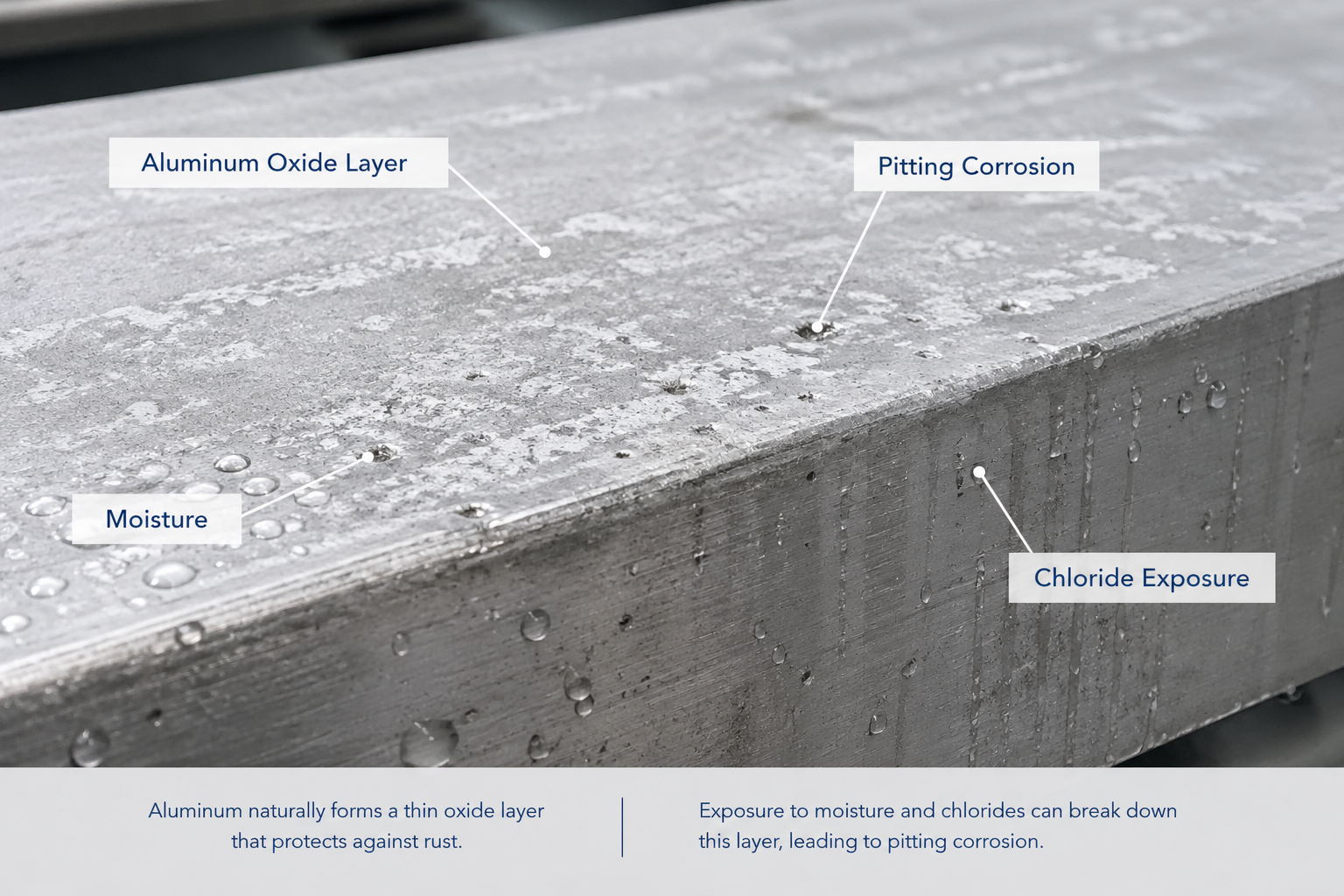
ဒီစကားလုံးသုံးလုံးကို အများအားဖြင့် တူညီသော အဓိပ္ပာယ်ဖြင့် အသုံးပြုကြပါသည်။ သို့သော် အတိအကျ တူညီသော အဓိပ္ပာယ်မဟုတ်ပါ။
သံမဏိ ယေဘုယျအားဖြင့် သံအောက်ဆိုဒ်ဟု အဓိပ္ပာယ်ရသည်။ ၎င်းသည် သံနှင့် ကာဗွန်သံမဏိတို့တွင် အဖြစ်အများဆုံးဖြစ်သည်။ သံချေးသည် အနီရောင်၊ အညိုရောင် သို့မဟုတ် လိမ္မော်ရောင်အဖြစ် မကြာခဏပေါ်လာလေ့ရှိပြီး မျက်နှာပြင်ကို မကာကွယ်ပါက ဆက်လက်ပျံ့နှံ့သွားနိုင်သည်။
အောက်ဆီဒိုင်းဇေးရှင်း သို့မဟုတ် အောက်စီဂျင်နှင့် ဓာတ်ပေါင်းပေါင်းမှုဖြစ်ပါသည်။ အလူမီနီယမ်အတွက် အောက်ဆီဒေးရှင်းဖြစ်ပုံသည် အလူမီနီယမ်အောက်ဆိုဒ်အလွှာပေါ်တွင် အလွန်ပေါ်လွင်သော အလွှာဖြစ်ပါသည်။ ဤအလွှာသည် ပုံမှန်အားဖြင့် သိပ်သည်းပြီး တည်ငြိမ်ကာ ကာကွယ်ရေးအလွှာဖြစ်ပါသည်။ ထိုအလွှာသည် ပုံမှန်ပတ်ဝန်းကျင်များတွင် ပိုမိုနက်ရှိုင်းသော ပျက်စီးမှုများကို ကာကွယ်ပေးပါသည်။
အသားစားခြင်း သည် ပိုမိုကျယ်ပေါင်းသော စကားလုံးဖြစ်ပါသည်။ ထိုသို့သော စကားလုံးသည် ပစ္စည်းတစ်ခုသည် ၎င်း၏ ပတ်ဝန်းကျင်နှင့် ဓာတ်ပေါင်းပေါင်းမှုဖြင့် ပျက်စီးနေခြင်းကို ဖော်ပြပါသည်။ အလူမီနီယမ်၏ ခြုံင်းခြုံင်းဖြစ်ပုံသည် အဖြူရောင်မှုန်မှုန်မှုန်မှုန်မှုန်မှုန်မှုန်မှုန်မှုန်မှုန်မှုန်မှုန်မှုန်မှုန်မှုန်မှုန်မှုန်မှုန်မှုန်မှုန်မှုန်မှုန်မှုန်မှုန်မှုန်မှုန်မှုန်မှုန်မှုန်မှုန်မှုန်မှုန်မှုန်မှုန်မှုန်မှုန်မှုန်မှုန်မှုန်မှုန်မှုန်မှုန်မှုန်မှုန်မှုန်မှုန်မှုန်မှုန်မှုန်မှုန်မှုန်မှုန်မှုန်မှုန်မှုန်မှုန်မှုန်မှုန်မှုန်မှုန်မှုန်မှုန်မှုန်......
အလူမီနီယမ်သည် သို့မဟုတ် သံမှုန်နှင့် အတူ ဘာကြောင့် ခြုံင်းခြုံင်းဖြစ်ခြင်းမရှိသနည်း။
အလူမီနီယမ်သည် သံမှုန်နှင့် အတူ ခြုံင်းခြုံင်းဖြစ်ခြင်းမရှိသည့် အကြောင်းမှာ အလူမီနီယမ်သည် သံမှုန်ကဲ့သို့ သံမှုန်အစိတ်အပိုင်းကို အဓိကအားဖြင့် အသုံးပြုခြင်းမရှိသောကြောင့်ဖြစ်ပါသည်။ ထိုအစား အလူမီနီယမ်သည် အောက်ဆိုဒ်အလွှာဖြင့် သို့မဟုတ် သို့မဟုတ် သို့မဟုတ် သို့မဟုတ် သို့မဟုတ် သို့မဟုတ် သို့မဟုတ် သို့မဟုတ် သို့မဟုတ် သို့မဟုတ် သို့မဟုတ် သို့မဟုတ် သို့မဟုတ် သို့မဟုတ် သို့မဟုတ် သို့မဟုတ် သို့မဟုတ် သို့မဟုတ် သို့မဟုတ် သို့မဟုတ် သို့မဟုတ် သို့မဟုတ် သို့မဟုတ် သို့မဟုတ် သို့မဟုတ် သို့မဟုတ် သို့မဟုတ် သို့မဟုတ် သို့မဟုတ် သို့မဟုတ် သို့မဟုတ် သို့မဟုတ် သို့မဟုတ် သို့မဟုတ် သို့မဟု......
အလူမီနီယမ်ကို လေထဲတွင် ထုတ်ဖော်ပေးလိုက်သည့်အခါ အလူမီနီယမ်၏ မျက်နှာပုံသည် အလွန်မြန်မြန် အောက်စီဂျင်နှင့် ဓာတ်ပေါင်းပေါင်းမှုဖြစ်ပြီး အလွန်ပေါ်လွင်သော အလူမီနီယမ်အောက်ဆိုဒ်အလွှာကို ဖွဲ့စည်းပါသည်။ ဤအလွှာသည် မျက်နှာပုံနှင့် အလွန်ကြီးမားစွာ ကပ်နေပါသည်။ ထိုအလွှာသည် ပုံမှန်အားဖြင့် မြင်နိုင်ခြင်းမရှိပါသည်။ သံမှုန်ပေါ်တွင် ဖြစ်ပေါ်သော အနီရောင်ခြုံင်းခြုံင်းနှင့် မတူဘဲ ထိုအလွှာသည် ပုံမှန်အားဖြင့် အလွှာအောက်တွင် အသစ်သော အလူမီနီယမ်ကို ဖော်ပေးရန် အလွှာများ ကွဲထွက်ခြင်းမရှိပါသည်။
ဤကြောင့် အလူမီနီယမ်ကို အပြင်ဘက်ပေါ်တွင် အသုံးပြုရန် ပေါ်ပေါ်လွင်လွင် အသုံးပြုသည့် ပေါ်ပေါ်များ၊ အုတ်မျှော်များ၊ ပင်လယ်ပေါ်တွင် အသုံးပြုသည့် အစိတ်အပိုင်းများ၊ ယာဉ်အစိတ်အပိုင်းများ၊ အပူလဲလှယ်စက်များ၊ ခေါင်းစွန်းများနှင့် စက်မှုလုပ်ငန်းဆိုင်ရာ ပစ္စည်းများတွင် မကြာခဏ အသုံးပြုကြသည်။ သို့သော် အောက်ဆိုဒ်အလွှာသည် မပျက်စီးနိုင်သည့် အလွှာများ မဟုတ်ပါ။ ပင်လယ်ရေ၊ အားကောင်းသည့် အက်ဆစ်များ၊ အားကောင်းသည့် အယ်လ်ကလီန်များ၊ အစိုဓာတ် စုပုံနေခြင်းနှင့် အခြားသော သံမဏိများနှင့် ထိတွေ့ခြင်းတို့သည် အကာအကွယ်ပေးမှုကို လျော့နည်းစေနိုင်သည်။
အလူမီနီယမ်သည် ခြောက်သည် ဖြစ်ပါသလား။
ဟုတ်ကဲ့၊ အလူမီနီယမ်သည် ခြောက်နိုင်ပါသည်။ ခြောက်နိုင်ခြင်းအန္တရာယ်သည် အလွှာအမျိုးအစား၊ အလုပ်လုပ်သည့် ပတ်ဝန်းကျင်၊ မျက်နှာပုံပေါ်တွင် အသုံးပြုသည့် ကုသမှု၊ သိမ်းဆောင်ရန် နည်းလမ်းနှင့် ထုတ်ကုန်ဒီဇိုင်းပေါ်တွင် မှီခိုပါသည်။
ပင်လယ်ရေနှင့် ပင်လယ်ပေါ်တွင် အသုံးပြုသည့် ပတ်ဝန်းကျင်များ
ပင်လယ်ရေသည် အလူမီနီယမ်ခြောက်ခြင်းအတွက် အဖြစ်များသည့် အကြောင်းရင်းများထဲမှ တစ်ခုဖြစ်သည်။ ပင်လယ်ရေတွင် ပါဝင်သည့် ကလိုရိုက်များသည် မျက်နှာပုံပေါ်တွင် တိုက်ခိုက်ပြီး ပစ်တင်ခြောက်ခြင်းကို ဖြစ်ပေါ်စေနိုင်သည်။ ပင်လယ်ပေါ်တွင် အသုံးပြုခြင်း၊ ကမ်းရိုးတန်းဒေသများနှင့် စိုထောင်သည့် အသုံးပြုမှုများအတွက် ဝယ်သူများသည် ခြောက်ခြင်းကို ကာကွယ်ပေးသည့် အလွှာများကို မကြာခဏ စဉ်းစားကြသည်။ 5052 အလျာမီနီယမ်ပလိတ် သို့မဟုတ် 5083 အလူမီနီယမ်ပေါ်ပေါ်
Galvanic corrosion (ဓာတ်ငွေ့အတုပျက်စီးခြင်း)
ဂယ်လွနစ် ကော်ရော်ရှင် (Galvanic corrosion) သည် အလူမီနီယမ်သည် ရေ သို့မဟုတ် ပိုမိုအားကောင်းသော အီလက်ထရောလိုက် (electrolyte) တွင် အခြားသော သေးငယ်သော သို့မဟုတ် ကွဲပြားသော သေးငယ်သော သေးငယ်သော သေးငယ်သော သေးငယ်သော သေးငယ်သော သေးငယ်သော သေးငယ်သော သေးငယ်သော သေးငယ်သော သေးငယ်သော သေးငယ်သော သေးငယ်သော သေးငယ်သော သေးငယ်သော သေးငယ်သော သေးငယ်သော သေးငယ်သော သေးငယ်သော သေးငယ်သော သေးငယ်သော သေးငယ်သော သေးငယ်သော သေးငယ်သော သေးငယ်သော သေးငယ်သော သေးင်သော သေးငယ်သော သေးငယ်သော သေးငယ်သော သေးငယ်သော သေးငယ်သော သေးငယ်သော သေးငယ်သော သေးငယ်သော သေးငယ်သော သေးငယ်သော သေးငယ်သော သေးငယ်သော သေးငယ်သော သေးငယ်သော သေးငယ်သော သေးငယ်သော သေးငယ်သော သေးငယ်သော သေးငယ်သော သေးငယ်သော သေးငယ်သော သေးငယ်သော သေးငယ်သော သေးငယ်သော သေးငယ်သော သေးငယ်သော သေးငယ်သော သေးငယ်သော သေးငယ်သော သေးငယ်သော သေးငယ်သော သေးငယ်သော သေးငယ်သော သေးငယ်သော သေးငယ......
သင်္ကြန် အကာအကွယ်ပေးခြင်း၊ အလွှာဖုံးခြင်း၊ ဝါရှာများ အသုံးပြုခြင်း၊ အထိန်းစိုက်မှုများ ရွေးချယ်ခြင်းနှင့် ရေစီးဆင်းမှု ဒီဇိုင်းများ ပြုလုပ်ခြင်းတို့ဖြင့် ဤအန္တရာယ်ကို လျော့နည်းစေနိုင်ပါသည်။
အားကောင်းသော အက်ဆစ် သို့မဟုတ် အယ်လ်ကလီ (alkaline) အခြေအနေများ
အလူမီနီယမ်သည် ပုံမော်နီ ပတ်ဝန်းကျင်များတွင် ကောင်းစွာ အလုပ်လုပ်နိုင်သော်လည်း အားကောင်းသော အက်ဆစ်များနှင့် အားကောင်းသော အယ်လ်ကလီ အဖွဲ့အစည်းများသည် အောက်ဆိုဒ် အလွှာကို ပျက်စီးစေနိုင်ပါသည်။ အချို့သော စက်မှု သန့်စင်ရေး ဓာတုပစ္စည်းများသည်လည်း မျက်နှာပုံစံကို ထိခိုက်စေနိုင်ပါသည်။ ထို့ကြောင့် အလူမီနီယမ် ပုံစံ၊ ပုံစံပေါ်လ်၊ ကွိုင်လ်၊ ပိုက် သို့မဟုတ် ဘာ များကို မှာယူရာတွင် အလုပ်လုပ်ရာ ပတ်ဝန်းကျင်ကို အရင်ဆုံး အတည်ပြုရန် လိုအပ်ပါသည်။
မျက်နှာပုံစံ ပျက်စီးမှုနှင့် မကောင်းမွန်သော သိုလှောင်မှု
ခြစ်ရှားမှုများ၊ ရေစုပ်မှုများ၊ မှောင်မှုများနှင့် ဓာတုပစ္စည်း ညစ်ညမ်းမှုများသည် ကော်ရော်ရှင် အန္တရာယ်ကို မြင့်တက်စေနိုင်ပါသည်။ မကောင်းမွန်သော သိုလှောင်မှုသည် ရေစုပ်မှု အမှတ်အသားများ သို့မဟုတ် မျက်နှာပုံစံ အောက်ဆိုဒ်ဖြစ်မှုကို ဖြစ်စေနိုင်ပါသည်။ အထူးသဖြင့် အလူမီနီယမ် ကွိုင်လ် သို့မဟုတ် အလူမီနီယမ် ပုံစံကို စိုစွတ်သော အခြေအနေတွင် သင်္ကြန် အကာအကွယ်များ မပါသော အထုပ်များဖြင့် သိုလှောင်ထားပါက ဖြစ်နိုင်ပါသည်။
အလူမီနီယံ အပျက်စီးမှု အများဆုံး အမျိုးအစားများ
အလူမီနီယံ အပျက်အစီးဟာ အမြဲတမ်း တူညီပုံမရဘူး။ ပတ်ဝန်းကျင်နဲ့ သံမဏိပေါင်းစပ်မှုအပေါ် မူတည်ပါတယ်။
| အသားစားမှု အမျိုးအစား | ဘယ်လိုပုံပေါက်လဲ | သာမန် အကြောင်းရင်း | စွန်းထင်မှုများကို လျော့ချရန် နည်းလမ်းများ |
|---|---|---|---|
| အပေါက်ပေါက် အပျက်အစီး | မျက်နှာပြင်ပေါ်က အပေါက်လေးတွေ | ကလိုရီဒစ်၊ ဆားရေ၊ ကမ်းရိုးတန်းလေ | ရေကြောင်းသုံးအတွက် သင့်တော်သော အရည်အသွေးများကို ရွေးချယ်ပါ |
| Galvanic corrosion (ဓာတ်ငွေ့အတုပျက်စီးခြင်း) | သတ္တုထိတွေ့မှုနေရာများအနီးတွင် ဒေသခံတိုက်ခိုက်မှု | အလူမီနီယံဟာ စိုစွတ်တဲ့ အခြေအနေမှာ မတူညီတဲ့ သတ္တုတွေကို ထိတွေ့နေတာပါ။ | အပူပေးပစ္စည်း၊ အပေါ်လွှာ၊ အံဝင်ခွင်ကျတဲ့ ချိတ်ဆက်ပစ္စည်းများ၊ ရေကောင်းကောင်း စီးဆင်းစေရန် |
| အက်ကွဲအရပ်များတွင် ချေးတက်ခြင်း | ကျုံ့နေသော အကွာအဝေးများ သို့မဟုတ် အနေအထားများအောက်တွင် ခြောက်သွေ့မှုဖြစ်ခြင်း | ရှိပ်နေသော စိုထုံးမှု၊ မကောင်းမွန်သော ရေစီးဆင်းမှု၊ အပေါ်ယံတွင် ဖုံးလွှမ်းနေသော ဆက်စပ်မှုများ | ရေစုပုံမှုများကို ရှောင်ရှားပါ။ ဒီဇိုင်းနှင့် သန့်ရှင်းရေးအတွက် လွယ်ကူစေရန် ပြုပြင်မှုများ ပြုလုပ်ပါ |
| မျက်နှာပုံပေါ်တွင် အရေးအသားများ ဖြစ်ခြင်း | ဖြူသော မှုန်များ၊ မှိန်သော နေရာများ သို့မဟုတ် ရေအမှတ်အသားများ | စိုထုံးမှု၊ မကောင်းမွန်သော ထုပ်ပိုးမှု၊ ဓာတုပစ္စည်းကျန်ရှိမှု | ခြောက်သွေ့သော သိုလှောင်မှု၊ ကာကွယ်ရေး ထုပ်ပိုးမှုနှင့် သန့်ရှင်းစွာ ကိုင်တွယ်မှုကို အသုံးပြုပါ |
အလူမီနီယမ်သည် သံလိုက်ဖြစ်ပါသလေးလား။
အလူမီနီယမ်သည် ပုံမှန်အားဖြင့် သံလိုက်မဟုတ်ပါ။ သံလိုက်တစ်ခုသည် သံသို့မဟုတ် ကာဗွန်သံမှုန်နှင့် ကပ်နေသော အတိုင်း အလူမီနီယမ်နှင့် မကပ်နေပါ။ ထို့ကြောင့် အလူမီနီယမ်သည် လျှပ်စစ်၊ အီလက်ထရွန်နစ်၊ ပင်လယ်ပိုင်းနှင့် တိကျသော စက်ကိရိယာများတွင် သံလိုက်မဖြစ်သော အပြုအမှုများ အရေးပါသည့် အသုံးပြုမှုများအတွက် အသုံးဝင်ပါသည်။
သို့သော် သံလိုက်စမ်းသပ်မှုဖြင့် အလူမီနီယမ်၏ အတိအကျသော အမျိုးအစားကို အတည်ပြုနိုင်ခြင်း မရှိပါ။ ထိုစမ်းသပ်မှုသည် ပစ္စည်းသည် အလွန်မျှော်လင့်ထားသည့် သံလိုက်အားများ မရှိကြောင်းကိုသာ ပြသနိုင်ပါသည်။ အမျိုးအစားအတည်ပြုရန် ဝယ်သူများသည် ပစ္စည်းအထောက်အထား၊ ဓာတုဖွဲ့စည်းမှု၊ စံနှုန်းများနှင့် ပေးသွင်းသူ၏ စာရွက်စာတမ်းများကို စစ်ဆေးသင့်ပါသည်။
သံမဏိအမျိုးအစားမှန်ကို ရွေးချယ်နည်း
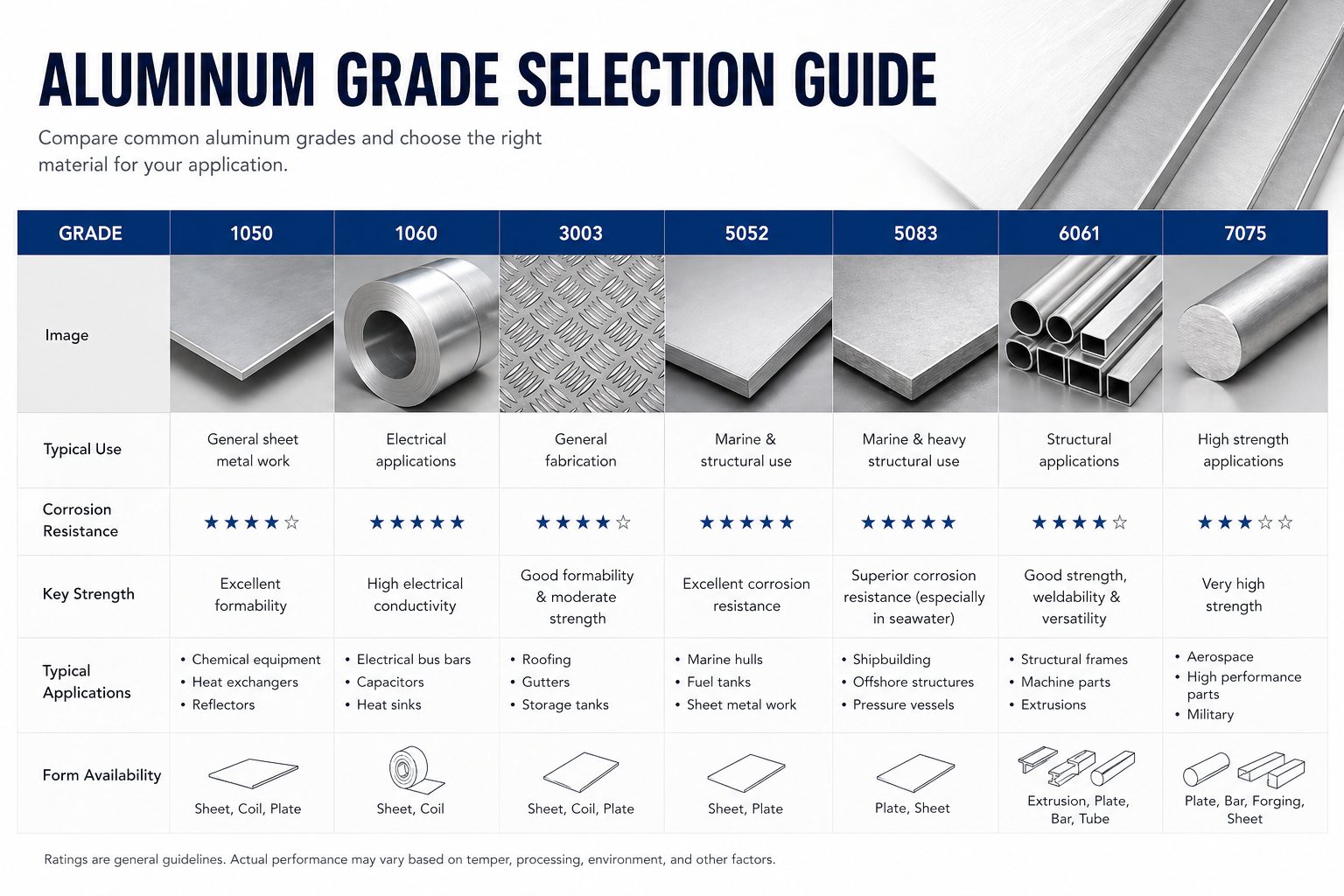
သံမဏိအမျိုးအစားမှန်ကို ရွေးချယ်ခြင်းဖြင့် သေးငယ်သော သဲထေးခြင်းအန္တရာယ်ကို လျှော့ချပေးပြီး စွမ်းဆောင်ရည်ကို မြင့်တင်ပေးနိုင်ပါသည်။ အမျိုးမျိုးသော အမျိုးအစားများတွင် အားကောင်းမှု၊ ပုံသေးနိုင်မှု၊ ချိတ်ဆက်နိုင်မှု၊ စက်ဖြင့် ဖွဲ့စည်းနိုင်မှုနှင့် သဲထေးခြင်းကို ခံနိုင်ရည်ရှိမှုတို့သည် ကွဲပါသည်။
| အလုံးမီတန် အဆင့် | အဓိက အချက်များ | ရိုးရိုးအပလီကေးရှင်းများ | အသုံးများသော ထုတ်ကုန်အမျိုးအစားများ |
|---|---|---|---|
| 1050 / 1060 | အထူးသို့မဟုတ် အလွန်သန့်စင်သော သံမဏိ၊ သဲထေးခြင်းကို ခံနိုင်ရည်ရှိခြင်း၊ ပုံသေးနိုင်မှုအလွန်ကောင်းမှု၊ လျှပ်စစ်စီးဆင်းမှုကောင်းမှု | လျှပ်စစ်ပစ္စည်းများ၊ လမ်းညွှန်ပေါ်တွင် အသုံးပြုသည့် ပုံစံများ၊ အလင်းပြန်ပေးသည့် ပစ္စည်းများ၊ ဓာတုပစ္စည်းများ သိမ်းဆည်းရာတွင် အသုံးပြုသည့် ပရိဘောဂများ၊ အထုပ်အပိုးများအတွက် သံမဏိပြားများ | ပုံပ်ပ်ပ်ပ်ပ်ပ်ပ်ပ်ပ်ပ်ပ်ပ်ပ်ပ်ပ်ပ်ပ်ပ်ပ်ပ်ပ်ပ်ပ်ပ်ပ်ပ်ပ်ပ်ပ်ပ်ပ်ပ်ပ်ပ်ပ်ပ်ပ်ပ်ပ်ပ်ပ်ပ်ပ်ပ်ပ်ပ်ပ်ပ်ပ်ပ်ပ်ပ်ပ်ပ်ပ်ပ်ပ်ပ်ပ်ပ်ပ်ပ်ပ်ပ်ပ်ပ်ပ်ပ်ပ်ပ်ပ်ပ်ပ်ပ်ပ်ပ်ပ်ပ်ပ်ပ်ပ်ပ်ပ်ပ်ပ်ပ်ပ်ပ်ပ်ပ်ပ်ပ်ပ်ပ်ပ်ပ်ပ်ပ်ပ်ပ်ပ်ပ်ပ်ပ်ပ်ပ်ပ်ပ်ပ်ပ်ပ်ပ်ပ်ပ်ပ်ပ်ပ်ပ်ပ်ပ်ပ်ပ်ပ်ပ်ပ်ပ်ပ်ပ်ပ်ပ်ပ်ပ်ပ်ပ်ပ်ပ်ပ်ပ်ပ်ပ်ပ်ပ်ပ်ပ်ပ်ပ်ပ်ပ်ပ်ပ်ပ်ပ်ပ်ပ်ပ်ပ်ပ်ပ်ပ်ပ်ပ်ပ်ပ်ပ်ပ်ပ်ပ်ပ်ပ်...... |
| 3003 | သဲထေးခြင်းကို ခံနိုင်ရည်ရှိခြင်း၊ သန့်စင်သော သံမဏိထက် အားကောင်းမှုပိုများခြင်း၊ ပုံသေးရန် လွယ်ကူခြင်း | အဆောက်အဦးများ၏ မိုးခေါင်းများ၊ အဆောက်အဦးများ၏ အပြင်ဘက်အဖ покရ်များ၊ ရေသိုလ်များ၊ အပူလဲလှယ်စက်များ၊ အထုပ်အပိုးများအတွက် အထုပ်အပိုးများ | ပုံပ်ပ်ပ်ပ်ပ်ပ်ပ်ပ်ပ်ပ်ပ်ပ်ပ်ပ်ပ်ပ်ပ်ပ်ပ်ပ်ပ်ပ်ပ်ပ်ပ်ပ်ပ်ပ်ပ်ပ်ပ်ပ်ပ်ပ်ပ်ပ်ပ်ပ်ပ်ပ်ပ်ပ်ပ်ပ်ပ်ပ်ပ်ပ်ပ်ပ်ပ်ပ်ပ်ပ်ပ်ပ်ပ်ပ်ပ်ပ်ပ်ပ်ပ်ပ်ပ်ပ်ပ်ပ်ပ်ပ်ပ်ပ်ပ်ပ်ပ်ပ်ပ်ပ်ပ်ပ်ပ်ပ်ပ်ပ်ပ်ပ်ပ်ပ်ပ်ပ်ပ်ပ်ပ်ပ်ပ်ပ်ပ်ပ်ပ်ပ်ပ်ပ်ပ်ပ်ပ်ပ်ပ်ပ်ပ်ပ်ပ်ပ်ပ်ပ်ပ်ပ်ပ်ပ်ပ်ပ်ပ်ပ်ပ်ပ်ပ်ပ်ပ်ပ်ပ်ပ်ပ်ပ်ပ်ပ်ပ်ပ်ပ်ပ်ပ်ပ်ပ်ပ်ပ်ပ်ပ်ပ်ပ်ပ်ပ်ပ်ပ်ပ်ပ်ပ်ပ်ပ်ပ်ပ်ပ်ပ်ပ်ပ်ပ်ပ်ပ်ပ်ပ်ပ...... |
| 5052 | ပင်လယ်ရေပိုင်နက်တွင် သဲထေးခြင်းကို ခံနိုင်ရည်ရှိခြင်း၊ ပုံသေးနိုင်မှုနှင့် ချိတ်ဆက်နိုင်မှု ကောင်းမှု | ရေကြောင်းပစ္စည်းများ၊ လောင်စာတန်ခူးများ၊ ယာဉ်အဖ пок်များ၊ ကေဘီနက်များ၊ အပြင်ဘက်တွင်သုံးသည့် အဆောက်အဦများ | ပုံပ်ပ်ပ်ပ်ပ်ပ်ပ်ပ်ပ်ပ်ပ်ပ်ပ်ပ်ပ်ပ်ပ်ပ်ပ်ပ်ပ်ပ်ပ်ပ်ပ်ပ်ပ်ပ်ပ်ပ်ပ်ပ်ပ်ပ်ပ်ပ်ပ်ပ်ပ်ပ်ပ်ပ်ပ်ပ်ပ်ပ်ပ်ပ်ပ်ပ်ပ်ပ်ပ်ပ်ပ်ပ်ပ်ပ်ပ်ပ်ပ်ပ်ပ်ပ်ပ်ပ်ပ်ပ်ပ်ပ်ပ်ပ်ပ်ပ်ပ်ပ်ပ်ပ်ပ်ပ်ပ်ပ်ပ်ပ်ပ်ပ်ပ်ပ်ပ်ပ်ပ်ပ်ပ်ပ်ပ်ပ်ပ်ပ်ပ်ပ်ပ်ပ်ပ်ပ်ပ်ပ်ပ်ပ်ပ်ပ်ပ်ပ်ပ်ပ်ပ်ပ်ပ်ပ်ပ်ပ်ပ်ပ်ပ်ပ်ပ်ပ်ပ်ပ်ပ်ပ်ပ်ပ်ပ်ပ်ပ်ပ်ပ်ပ်ပ်ပ်ပ်ပ်ပ်ပ်ပ်ပ်ပ်ပ်ပ်ပ်ပ်ပ်ပ်ပ်ပ်ပ်ပ်ပ်ပ်ပ်ပ်ပ်ပ်ပ်ပ်ပ်ပ်ပ...... |
| 5083 | ချေးစားမှုဒဏ်ကို ကောင်းစွာခံနိုင်ပြီး အားကောင်းမှုရှိသည်။ ရေကြောင်းနေရာများတွင် အများအားဖြင့် အသုံးပြုကြသည်။ | သင်္ဘောဆောက်လုပ်ရေး၊ ရေကြောင်းအဆောက်အဦများ၊ ဖိအားခံပိုက်လုံးများ၊ သိုလှောင်ရေးတန်ခူးများ၊ ပို့ဆောင်ရေးပစ္စည်းများ | ပလဲတ်၊ ရှီးအ် |
| 6061 | အားကောင်းမှုကောင်းမှု၊ စက်ဖြင့်လုပ်ဆောင်နိုင်မှုကောင်းမှု၊ ချော့ချော့ချို့ချို့ပေါင်းစပ်နိုင်မှုကောင်းမှုနှင့် ယေဘုယျချေးစားမှုဒဏ်ခံနိုင်မှုကောင်းမှု | ဖရိမ်းများ၊ စက်ပစ္စည်းများ၊ အဆောက်အဦအစိတ်အပိုင်းများ၊ မော်လ်များ၊ တိကျသည့်အစိတ်အပိုင်းများ | ပလဲတ်၊ ဘာ၊ ပိုက်၊ တျူးဘ် |
| 7075 | အားကောင်းမှုမြင့်မှု၊ စက်မှုအစိတ်အပိုင်းများအတွက် သင့်တော်ပါသည်။ မျှော်မှန်းထားသည့် အသုံးပြုမှုအတွက် မျှော်မှန်းထားသည့် မျက်နှာပြင်ကာကွယ်မှု လိုအပ်နိုင်သည်။ | လေကြောင်းယာဉ်အစိတ်အပိုင်းများ၊ မော်လ်များ၊ ဖိအားများစွာခံရသည့် အစိတ်အပိုင်းများ၊ တိကျသည့် စက်ဖြင့်လုပ်ဆောင်မှု | ပလဲတ်၊ ဘာ |
1050 နှင့် 1060 အလူမီနီယမ်
1050 နှင့် 1060 အလူမီနီယမ်များသည် အထူးသဖြင့် သန့်စင်မှုအဆင့်မြင့်သော အလူမီနီယမ်အမျိုးအစားများဖြစ်ပါသည်။ ၎င်းတို့သည် ကောင်းမွန်သော ခြောက်သွေ့မှုဒဏ်ခံနိုင်မှု၊ လျှပ်စစ်စီးဆင်းမှုကောင်းမွန်မှုနှင့် ပုံစံပေးရန် အလွန်ကောင်းမွန်သော စွမ်းရည်များကို ပေးစေပါသည်။ ၎င်းတို့ကို လျှပ်စစ်ပစ္စည်းများ၊ ကြော်ငြာပေါ်ပေါက်များ၊ အလင်းပြန်စေသောပစ္စည်းများနှင့် အထုပ်အပိုးအစိတ်အပဲများအတွက် အသုံးများပါသည်။
3003 အလူမီနီယမ်
3003 အလူမီနီယမ်သည် ခြောက်သွေ့မှုဒဏ်ခံနိုင်မှုကောင်းမွန်ပြီး သန့်စင်သော အလူမီနီယမ်ထက် အားကောင်းမှုပိုမိုကောင်းမွန်သော အသုံးများသော အလူမီနီယမ်အမျိုးအစားဖြစ်ပါသည်။ ၎င်းကို ပုံစံပေးရန်နှင့် ချော့ချော့မွေ့မွေ့ ချိတ်ဆက်ရန် လွယ်ကူပါသည်။ စက်မှုလုပ်ငန်းများတွင် ဝယ်သူများအတွက် အလျာမင်ကိုး 3003 အမျိုးအစားတွင် စုံလင်သော စျေးနှုန်း၊ ပုံစံပေးနိုင်မှုနှင့် စွမ်းဆောင်ရည်တို့ကို လက်တွေ့ကျစွာ ဟန်ချက်ညှိပေးနိုင်ပါသည်။
၅၀၅၂ အလူမီနီယမ်
5052 အလူမီနီယမ်သည် ပင်လေးရေနှင့် စိုစွတ်သော ပတ်ဝန်းကျင်များတွင် အထူးသဖြင့် ခြောက်သွေ့မှုဒဏ်ခံနိုင်မှုကောင်းမွန်ပါသည်။ ၎င်းသည် ပုံစံပေးနိုင်မှုနှင့် ချိတ်ဆက်နိုင်မှုကောင်းမွန်ပါသည်။ ၎င်းကို ပင်လေးရေနှင့်ဆောင်းရေပါ်ပေါက်များ၊ လောင်စာတွေ့များ၊ ယာဉ်များ၏ အပိုင်းအစိတ်များ၊ ဖိအားခံပိုက်များ၊ ကော်ဘော်ဒိုးများနှင့် အပြင်ဘက်တွင် အသုံးပြုသော တည်ဆောက်မှုများအတွက် အသုံးများပါသည်။
၅၀၈၃ အလူမီနီယမ်
5083 အလူမီနီယမ်သည် ခိုင်မာသော ရှုံးစွန်းမှုဒဏ်ခံနိုင်မှုနှင့် ကောင်းမွန်သော အားကောင်းမှုတွင် ထင်ရှားပါသည်။ ၎င်းကို သင်္ဘေတ်ဆောက်လုပ်ရေး၊ ပင်လယ်ပိုင်းဖွဲ့စည်းမှုများ၊ ဖိအားအိုင်းများ၊ သိုလှောင်ရေးတန်ခူးများနှင့် ပို့ဆောင်ရေးပစ္စည်းများတွင် အသုံးများပါသည်။ ပင်လယ်ပိုင်းအလုပ်ကြီးများအတွက် 5083 အလူမီနီယမ်ပြားများသည် များသောအားဖြင့် လက်တွေ့ကျသော ရွေးချယ်မှုဖြစ်ပါသည်။
6061 အလျှမ်း
6061 အလူမီနီယမ်သည် အသုံးများသည့် အဆောက်အဦးအတွက် အလူမီနီယမ်အမျိုးအစားများအနက် တစ်မျိုးဖြစ်ပါသည်။ ၎င်းသည် ကောင်းမွန်သည့် အားကောင်းမှု၊ ကောင်းမွန်သည့် စက်ဖွဲ့စည်းနိုင်မှု၊ ကောင်းမွန်သည့် ချော့ချော့ချော့ချော့ချော့ချော့ချော့ချော့ချော့ချော့ချော့ချော့ချော့ချော့ချော့ချော့ချော့ချော့ချော့ချော့ချော့ချော့ချော့ချော့ချော့ချော့ချော့ချော့ချော့ချော့ချော့ချော့ချော့ချော့ချော့ချော့ချော့ချော့ချော့ချော့ချော့ချော့ချော့ချော့ချော့ချော့ချော့ချော့ချော့ချော့ချော့ချော့ချော့ချော့ချော့ချော့ချော...... အားကောင်းမှု၊ ကောင်းမွန်သည့် ချော့ချော့ချော့ချော့ချော့ချော့ချော့ချော့ချော့ချော့ချော့ချော့ချော့ချော့ချော့ချော့ချော့ချော့ချော့ချော့ချော့ချော့ချော့ချော့ချော့ချော့ချော့ချော့ချော့ချော့ချော့ချော့ချော့ချော့ချော့ချော့ချော့ချော့ချော့ချော့ချော့ချော့ချော့ချော့ချော့ချော့ချော့ချော့ချော့ချော့ချော့ချော့ချော့ချော့ချော့ချော့ချော...... နှင့် ကောင်းမွန်သည့် အရိုးစို့ခြင်းခံနိုင်မှုတို့ကို ပေးစေပါသည်။ အသုံးများသည့် ထုတ်ကုန်ပုံစံများတွင် 6061 အလျuminium ဘာ ၊ 6061 အလူမီနီယမ်ပြား၊ 6061 အလူမီနီယမ်တုံးနှင့် 6061 အလူမီနီယမ်ပိုက်။
7075 အလူမီနီယမ်
7075 အလူမီနီယမ်သည် အားကောင်းမှုများသော အလူမီနီယမ်အထပ်များဖြစ်ပါသည်။ ၎င်းကို လေကြောင်းနှင့် အာကာသဆိုင်ရာ လုပ်ငန်းများ၊ ပုံသောင်းများ၊ အလွန်မှုခံရသော အစိတ်အပိုင်းများ၊ တိကျသော စက်ဖွဲ့စည်းမှုများနှင့် စွမ်းဆောင်ရည်မြင့်ပစ္စည်းများတွင် အသုံးများပါသည်။ ၎င်းသည် အလွန်မြင့်မာသော အားကောင်းမှုရှိသော်လည်း အလူမီနီယမ်အထပ်များအနက် ရှုံးစွန်းမှုဒဏ်ခံနိုင်မှုသည် အကောင်းဆုံးမဟုတ်ပါ။ အသုံးပြုမှုအလိုက် ကာကွယ်ရေးကုသမှုများ လိုအပ်နိုင်ပါသည်။
စက်မှုဝယ်သူများအတွက် အလူမီနီယမ်ထုတ်ကုန်အမျိုးအစားများ
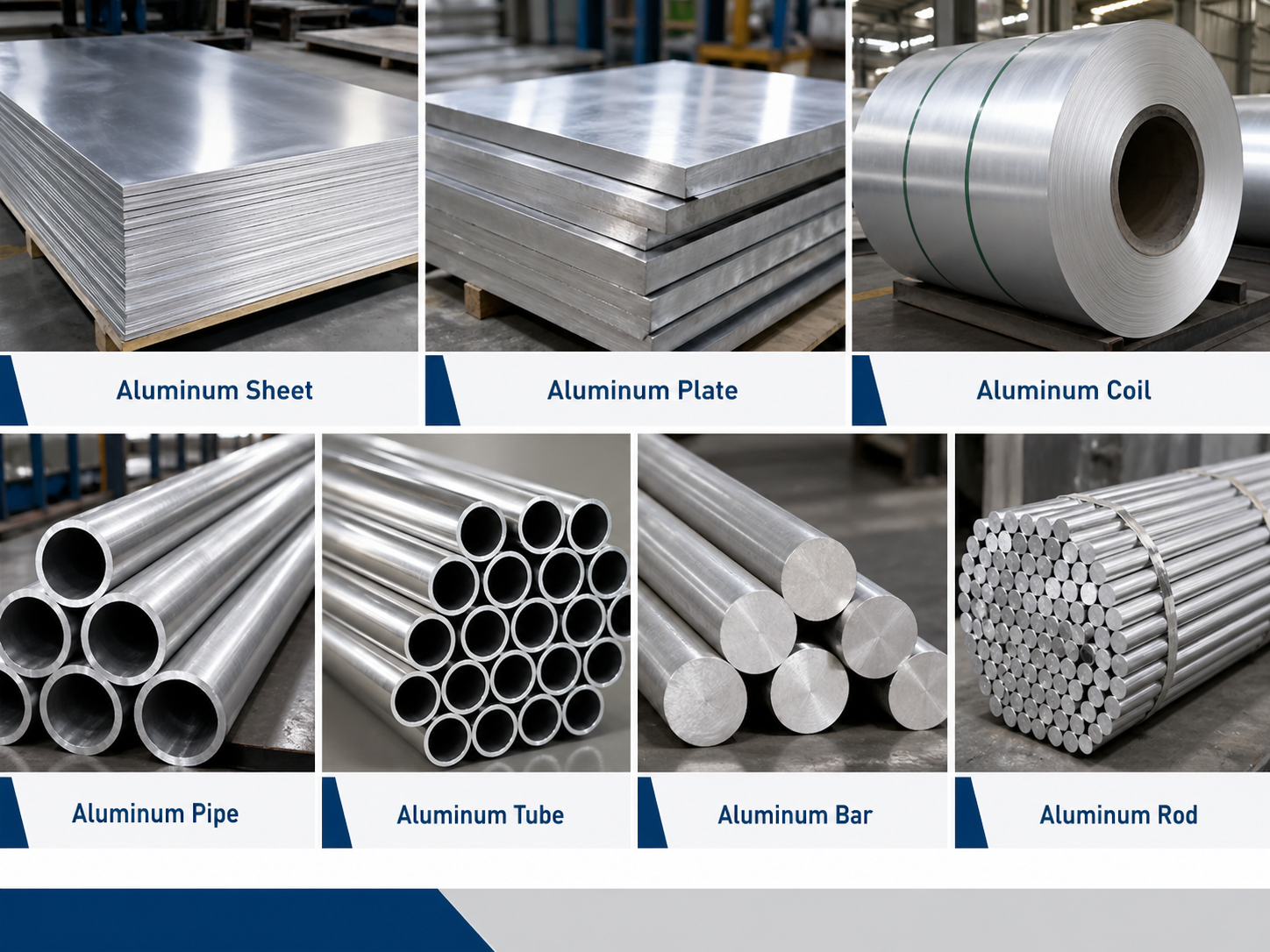
သံမဏီအမျိုးအစားမှန်ကန်ခြင်းသည် အရေးကြီးသလောက်၊ ထုတ်ကုန်၏ပုံစံမှန်ကန်ခြင်းလည်း အရေးကြီးပါသည်။ အော်ဒါပေးရန်မှီအထိ ဝယ်သူများသည် အထူ၊ အကျယ်၊ အရှည်၊ အပူချိန်အခေါ်အဝေါ် (temper)၊ မျက်နှာပြင်အမျိုးအစား၊ ခွင့်လွင့်မှုနှုန်း (tolerance)၊ စံနှုန်း၊ ထုပ်ပိုးမှုနှင့် လက်မှတ်လိုအပ်ချက်များကို အတည်ပြုရန် လိုအပ်ပါသည်။
အလုံးဖျာ
ပေါ်ပြင်ပိုင်းများ (panels)၊ အဖ покရ်များ (cladding)၊ လက်မှတ်များ (signage)၊ အဖ покရ်များ (covers)၊ ကော်ဘော်ဒေါ်များ (cabinets)၊ အလှဆင်ပိုင်းအစိတ်အပိုင်းများ (decorative parts) နှင့် အလေးချိန်နည်းသော ထုတ်လုပ်မှုများ (light fabrication) တွင် အသုံးပြုသည်။ အသုံးများသော သံမဏီအမျိုးအစားများမှာ ၁၀၅၀၊ ၁၀၆၀၊ ၃၀၀၃၊ ၅၀၅၂ နှင့် ၆၀၆၁ တို့ဖြစ်သည်။
အလူမီနီယမ်ပလေট
စက်မှုကုန်များ (machinery)၊ ပုံသေးများ (molds)၊ သင်္ဘောဆောက်လုပ်ရေး (shipbuilding)၊ ဖွဲ့စည်းပိုင်းအစိတ်အပိုင်းများ (structural parts)၊ တန်ခေါင်းများ (tanks) နှင့် အလေးချိန်များသော အသုံးပြုမှုများ (heavy-duty applications) တွင် အသုံးပြုသည်။ အသုံးများသော သံမဏီအမျိုးအစားများမှာ ၅၀၅၂၊ ၅၀၈၃၊ ၆၀၆၁ နှင့် ၇၀၇၅ တို့ဖြစ်သည်။
အလျာမင်ကိုး
ဆက်လက်ထုတ်လုပ်မှု (continuous processing)၊ အုတ်များအတွက် အဖ покရ်များ (roofing)၊ အဖုပ်များ (cladding)၊ ပုံသေးများ (stamping)၊ အပိုင်းအစိတ်များခွဲခြားခြင်း (slitting)၊ ထုပ်ပိုးမှု (packaging) နှင့် ထုတ်လုပ်မှု (manufacturing) တွင် အသုံးပြုသည်။
အလူမီနီယမ် ပိုက်၊ တွ့ဘ်နှင့် ဘာ
အုပ်စုများ (frames)၊ အပူလဲလှယ်စက်များ (heat exchangers)၊ ဖွဲ့စည်းပိုင်းအစိတ်အပိုင်းများ (structural components)၊ စက်မှုလုပ်ငန်းများ (machining)၊ ဝိုင်ယာများ (shafts)၊ ချောင်းများ (fasteners) နှင့် စက်မှုအစိတ်အပိုင်းများ (mechanical parts) တွင် အသုံးပြုသည်။
ဖွဲ့စည်းပိုင်း သို့မဟုတ် အရည်များနှင့် သက်ဆိုင်သော အသုံးပြုမှုများအတွက် အလုံးလောင်း အလူမီနီယမ် တွ့ဘ်များကို များသောအားဖြင့် ရွေးချယ်ကြသည်။ အကြောင်းမှာ ၎င်းတို့သည် အလေးချိန်နည်းခြင်း၊ ခြောက်သော အက်ဆစ်ဓာတ်မှ ခံနိုင်ရည်ရှိခြင်းနှင့် လုပ်ဆောင်ရန် လွယ်ကူခြင်းတို့ကို ပေါင်းစပ်ထားသောကြောင့်ဖြစ်သည်။
ဝယ်ယူရေးအကြံပေးချက်များ – အလူမီနီယမ် ခြောက်သော အက်ဆစ်ဓာတ်မှ ပျက်စီးမှုအန္တရာယ်ကို လျှော့ချနည်း
နိုင်ငံတကာ ဝယ်ယူသူတွေအတွက် အသားစားမှု ပြဿနာတွေကို ပစ္စည်းကို မှာယူမချင်း လျော့ကျစေနိုင်ပါတယ်။ ရှင်းလင်းတဲ့ သတ်မှတ်ချက်တွေက ကုန်ပစ္စည်းပေးသွင်းသူတွေကို မှန်ကန်တဲ့ အရည်အသွေးနဲ့ ထုတ်ပိုးမှုကို အကြံပြုဖို့ ကူညီပေးပါတယ်။
| အတည်ပြုရန် လိုအပ်သည့် အချက်အလက်များ | ဘယ်အတွက်ရှိသလဲ |
|---|---|
| အသုံးပြုမှု ပတ်ဝန်းကျင် | အပြင်၊ အတွင်း၊ ကမ်းရိုးတန်း၊ ပင်လယ်၊ ဓာတုပစ္စည်းများ သို့မဟုတ် အပူချိန်မြင့် အခြေအနေများတွင် မတူညီသော သံမဏိပေါင်းစပ်မှု ရွေးချယ်မှုများကို လိုအပ်သည်။ |
| လိုအပ်သော အရည်အသွေးနှင့် အပူချိန် | 1050, 3003, 5052, 5083, 6061, နှင့် 7075 တို့သည် မတူညီသော ခိုင်မာမှု၊ ပုံသွင်းမှု၊ သံမဏိ၊ နှင့် အပျက်အစီးအပြုအမူကို ပေးသည်။ |
| ထုတ်ကုန်ပုံစံ | ပလတ်၊ပြား၊ကျော၊ပိုက်၊ပြွန်နှင့်ချောင်းသည် ထုတ်လုပ်မှု၊ သည်းခံနိုင်မှုနှင့်ထုပ်ပိုးမှုလိုအပ်ချက်များ မတူကွဲပြားသည်။ |
| မျက်နှာပြင်ကုသခြင်း | အသားအရေကို ကာကွယ်ပေးခြင်း |
| အခြားသတ္တုများနှင့် ထိတွေ့မှု | စိုစွတ်တဲ့ ပတ်ဝန်းကျင်မှာ မတူညီတဲ့ သတ္တု ထိတွေ့မှုက galvanic အပျက်စီးမှု အန္တရာယ်ကို တိုးစေနိုင်ပါတယ်။ |
| နိုင်ငံခြားသို့ ပို့သည့် ထုပ်ပိုးမှု | ရေစိုခံ၊ သစ်သားအုံး၊ ပလက်ဖောင်း၊ ရေမဝင်တဲ့ စက္ကူနဲ့ ရှင်းလင်းတဲ့ တံဆိပ်တွေဟာ သယ်ယူပို့ဆောင်ရေး ပျက်စီးမှုကို လျှော့ချဖို့ ကူညီပေးပါတယ်။ |
နောက်ဆုံး အတွေးများ
အလူမီနီယမ်သည် သံမဏိကဲ့သို့ ချေးမတက်ပါ။ သို့သော် အချို့သောအခြေအနေများတွင် ချေးတက်နိုင်ပါသည်။ ၎င်း၏ သဘောကျသော အလူမီနီယမ်အောက်ဆိုဒ်အလွှာသည် ၎င်းအား ကောင်းမော်သော ကာကွယ်မှုပေးပါသည်။ သို့သော် ပင်လဲ့ရေ၊ အားကောင်းသော ဓာတုပစ္စည်းများ၊ ဂဲလ်ဗနစ်ထိတ်မှု၊ အိတ်မိုးထားသော စိုထိုင်းမှုနှင့် မကောင်းမွန်သော သိုလှောင်မှုတို့ကြောင့် ချေးတက်မှုပြဿနာများ ဖြစ်ပေါ်နိုင်ပါသည်။
အထွေထွေအသုံးပြုမှုများအတွက် ၁၀၅၀၊ ၁၀၆၀ နှင့် ၃၀၀၃ အလူမီနီယမ်များသည် သင့်တော်နိုင်ပါသည်။ ပင်လဲ့နှင့် စိုထိုင်းသော ပတ်ဝန်းကျင်များအတွက် ၅၀၅၂ နှင့် ၅၀၈၃ အလူမီနီယမ်များသည် မက်ကုန်သော ရွေးချယ်မှုများဖြစ်ပါသည်။ ဖွဲ့စည်းပုံဆိုင်ရာနှင့် စက်ဖွဲ့စည်းမှုအသုံးပြုမှုများအတွက် ၆၀၆၁ အလူမီနီယမ်ကို အသုံးများပါသည်။ အင်အားမြင့် အစိတ်အပိုင်းများအတွက် ၇၀၇၅ အလူမီနီယမ်ကို သင့်တော်သော မျက်နှာပြင်ကာကွယ်မှုဖြင့် ရွေးချယ်နိုင်ပါသည်။
စက်မှုလုပ်ငန်းများ၏ ဝယ်သူများသည် အလူမီနီယမ်ကို စျေးနှုန်းတစ်ခုတည်းဖြင့် ရွေးချယ်သောက်မည်မဟုတ်ပါ။ မှန်ကန်သော အမျိုးအစား၊ ထုတ်ကုန်ပုံစံ၊ မျက်နှာပြင်အခြေအနေ၊ ထုပ်ပိုးမှုနည်းလမ်းနှင့် ပေးသွင်းသူ၏ အထောက်အပံ့များသည် စွမ်းဆောင်ရည်ကို မြင့်တင်ပေးခြင်း၊ ထိန်းသိမ်းမှုကို လျော့နည်းစေခြင်းနှင့် ရေရှည်တွင် စီမံကိန်း၏ ယုံကြည်စိတ်ချရမှုကို ပံ့ပိုးပေးခြင်းတို့ကို ပေးနိုင်ပါသည်။
သင့်စီမံကိန်းအတွက် အလူမီနီယမ်ပစ္စည်းများ လိုအပ်ပါသလား။
Voyage Metal သည် စက်မှုလုပုပ်ငန်းများအတွက် ဝယ်သူများ၊ ဖက်ဘရီကေးတာများ၊ ဖြန့်ဖြူးရောင်းချသူများနှင့် စီမံကိန်းအေဂျင်တ်များအတွက် အလူမီနီယမ်ပါတ်စ် (aluminum sheet)၊ အလူမီနီယမ်ပလိတ် (aluminum plate)၊ အလူမီနီယမ်ကွေး (aluminum coil)၊ အလူမီနီယမ်ပိုက် (aluminum pipe)၊ အလူမီနီယမ်တွေ့ဘ် (aluminum tube)၊ အလူမီနီယမ်ဘာ (aluminum bar) နှင့် အခြားသေးငယ်သော သံမဏိပစ္စည်းများကို ပေးသည်။ အမျိုးအစားရွေးချယ်မှုနှင့် စျေးနှုန်းကောက်ယူရေးဆိုင်ရာ အထောက်အပံ့များအတွက် အဖွဲ့နှင့် ဆက်သွယ်ပါ။
မေးလေ့ရှိသောမေးခွန်းများ
အလူမီနီယမ်သည် ခြောက်သလေးပါသလေး (rust) ဖြစ်ပါသလေးလား။
မဖြစ်ပါ။ အလူမီနီယမ်သည် သံနှင့် ကာဗွန်သံမဏိတို့ကဲ့သို့ ခြောက်သလေးပါသလေး (rust) မဖြစ်ပါ။ အကြောင်းမှာ ခြောက်သလေးပါသလေးသည် သံအောက်ဆိုဒ် (iron oxide) ဖြစ်သောကြောင့်ဖြစ်သည်။ သို့သော် အချို့သောအခြေအနေများတွင် အလူမီနီယမ်သည် အောက်ဆိုဒ်ဖြစ်ခြင်း (oxidize) သို့မဟုတ် ပျက်စီးခြင်း (corrode) ဖြစ်နိုင်ပါသည်။
အလူမီနီယမ်သည် ရေထဲတွင် ခြောက်သလေးပါသလေးဖြစ်ပါသလေးလား။
အလူမီနီယမ်သည် ရေထဲတွင် အနီရောင်ခြောက်သလေးပါသလေး (red rust) မဖြစ်ပါ။ သို့သော် ရေတွင် ဆား၊ ကလိုရိုက် (chlorides)၊ အားကောင်းသော ဓာတုပစ္စည်းများ ပါဝင်ပါက သို့မဟုတ် ဂါလွနစ်ပျက်စီးမှု (galvanic corrosion) ဖြစ်ပါက ပျက်စီးနိုင်ပါသည်။
အလူမီနီယမ်သည် အပြင်ဘက်တွင် သံမဏိကဲ့သို့ ခြောက်သလေးပါသလေးဖြစ်ပါသလေးလား။
အလူမီနီယမ်သည် အပြင်ဘက်တွင် သံမဏိကဲ့သို့ ခြောက်သလေးပါသလေးဖြစ်မည်မဟုတ်ပါ။ အလူမီနီယမ်သည် ကာကွယ်ပေးသော အောက်ဆိုဒ်အလွှာ (protective oxide layer) ကို ဖွဲ့စည်းပါသည်။ သို့သော် ကမ်းခြေဒေသ၊ စက်မှုလုပ်ငန်းဒေသ သို့မဟုတ် ညစ်ညမ်းသောပတ်ဝန်းကျင်များတွင် အပြင်ဘက်တွင် အသုံးပြုသော အလူမီနီယမ်သည် ပျက်စီးနိုင်ပါသည်။
အလူမီနီယမ်ပျက်စီးမှုကို မည်သို့မှတ်သားနိုင်ပါသလေးလား။
အလူမီနီယမ်ပျက်စီးမှုသည် အဖြူရောင်မှုန်မှုန် (white powder)၊ မှိန်သောအစွန်းများ (dull stains)၊ အပေါက်များ (pitting)၊ မျက်နှာပြင်ချောမှုမရှိသောနေရာများ (rough areas) သို့မဟုတ် မျက်နှာပြင်အရောင်ပြောင်းခြင်း (surface discoloration) အဖြစ် ပေါ်လောက်နိုင်ပါသည်။
အလူမီနီယမ်သည် သံလိုက်ဖြစ်ပါသလေးလား။
မဟုတ်ပါ။ အလူမီနီယမ်သည် အားကောင်းစွာ သံလိုက်ဖွဲ့စည်းမှုရှိခြင်းမရှိပါ။ သံလိုက်တစ်ခုသည် သံသို့မဟုတ် ကာဗွန်သံမှုန်နှင့်ကဲ့သို့သော အလူမီနီယမ်ပေါ်တွင် မကပ်နိုင်ပါ။
သံလိုက်များသည် အလူမီနီယမ်ပေါ်သို့ ကပ်နိုင်ပါသလား။
မဟုတ်ပါ။ သံလိုက်များသည် အလူမီနီယမ်ပေါ်သို့ ပုံမှန်အားဖြင့် မကပ်နိုင်ပါ။ သို့သော် ဤရိုးရှင်းသော စမ်းသပ်မှုဖြင့် အလူမီနီယမ်၏ အတိအကျသော အဆင့်ကို မသတ်မှတ်နိုင်ပါ။
အပြင်ဘက်တွင် အသုံးပြုရန် အကောင်းဆုံး အလူမီနီယမ်အဆင့်မှာ အဘယ်နည်း။
အပြင်ဘက်တွင် အသုံးပြုရန် အသုံးများသော အလူမီနီယမ်အဆင့်များမှာ ၃၀၀၃၊ ၅၀၅၂ နှင့် ၆၀၆၁ ဖြစ်သည်။ အကောင်းဆုံးရွေးချယ်မှုသည် အားသော်လည်းကောင်းမှု၊ ပုံသော်လည်းကောင်းမှု၊ ချော်က်ချော်ကပ်ချော်ချော်လုပ်နိုင်မှု၊ အထိခိုက်မှုဒဏ်ခံနိုင်မှုနှင့် မျက်နှာပြင်ကုသမှုတို့ပေါ်တွင် မူတည်ပါသည်။
ပင်လယ်ပေါ်တွင် အသုံးပြုရန် အကောင်းဆုံး အလူမီနီယမ်အဆင့်မှာ အဘယ်နည်း။
၅၀၅၂ နှင့် ၅၀၈၃ တို့သည် ပင်လယ်နှင့် ပိုမိုအားကောင်းသော ဆားရေပတ်ဝန်းကျင်များအတွက် အသုံးများသော အလူမီနီယမ်အဆင့်များဖြစ်ပါသည်။ အကြောင်းမှာ ၎င်းတို့သည် အသုံးအများဆုံး အလူမီနီယမ်အဆင့်များထက် ပိုမိုကောင်းမွန်သော အထိခိုက်မှုဒဏ်ခံနိုင်မှုကို ပေးစေသောကြောင့်ဖြစ်ပါသည်။
အလူမီနီယမ်နှင့် စတီလ်သံမှုန်ကို တွဲဖက်အသုံးပြုနိုင်ပါသလား။
အဖြေမှာ ဟုတ်ပါသည်။ သို့သော် စိုစွတ်သော သို့မဟုတ် ဆားပါသော ပတ်ဝန်းကျင်များတွင် အသုံးပြုရာတွင် သတိထားရန် လိုအပ်ပါသည်။ အကြောင်းမှာ ဂဲလ်ဗနစ် အထိခိုက်မှုဒဏ်ခံနိုင်မှု (galvanic corrosion) ဖြစ်ပွားနိုင်သောကြောင့်ဖြစ်ပါသည်။ အထိခိုက်မှုဒဏ်ခံနိုင်မှုကို လျော့နည်းစေရန် အထိခိုက်မှုဒဏ်ခံနိုင်သော အကာအကွယ်ပေးခြင်း၊ အထိခိုက်မှုဒဏ်ခံနိုင်သော အလွ покрытияများ၊ အထိခိုက်မှုဒဏ်ခံနိုင်သော ဝါရှာများနှင့် အထိခိုက်မှုဒဏ်ခံနိုင်သော အသုံးပြုမှုအတွက် သင့်တော်သော အထိခိုက်မှုဒဏ်ခံနိုင်သော အသုံးပြုမှုအတွက် သင့်တော်သော အသုံးပြုမှုအတွက် သင့်တော်သော အသုံးပြုမှုအတွက် သင့်တော်သော အသုံးပြုမှုအတွက် သင့်တော်သော အသုံးပြုမှုအတွက် သင့်တော်သော အသုံးပြုမှုအတွက် သင့်တော်သော အသုံးပြုမှုအတွက် သင့်တော်သော အသုံးပြုမှုအတွက် သင့်တော်သော အသုံးပြုမှုအတွက် သင့်တော်သော အသုံးပြုမှုအတွက် သင့်တော်သော အသုံးပြုမှုအတွက် သင့်တော်သော အသုံးပြုမှုအတွက် သင့်တော်သော အသုံးပြုမှုအတွက် သင့်တ......
ထုတ်ဝေရန် SEO မှတ်ချက်များ
SEO ခေါင်းစဉ်: အလူမီနီယမ်သည် ချေးမိပါသလား။ အလူမီနီယမ် ချေးမိခြင်းအကြောင်းရင်းများနှင့် စတီလ်ပြား၊ ပြားချပ်၊ ကွေးချပ်၊ ပိုက်နှင့် ဘားအတွက် သင့်တော်သော အလူမီနီယမ်အမျိုးအစားကို ရွေးချယ်နည်း
Meta Description: အလူမီနီယမ်သည် ချေးမိပါသလား။ ချေးမိခြင်း၊ အောက်ဆိုဒ်ဖြစ်ခြင်းနှင့် ကော်ရော်ရှင်းဖြစ်ခြင်းတို့အကြား ကွဲပြားမှုများကို လေ့လာပါ။ အလူမီနီယမ်သည် အဘယ်ကြောင့် ကော်ရော်ရှင်းဖြစ်သည်ကို နှင့် စတီလ်ပြား၊ ပြားချပ်၊ ကွေးချပ်၊ ပိုက်နှင့် ဘားအတွက် သင့်တော်သော အလူမီနီယမ်အမျိုးအစားကို ရွေးချယ်နည်းကို လေ့လာပါ။
အကြံပေးထားသော URL: /does-aluminum-rust/
မှုန်းသော ပုံရှုပ်ထားသော စာသား: ချော့ချော့သော စက်မှုလုပ်ငန်းများအတွက် အရိုးစို့မှုကို ကာကွယ်ပေးသည့် အလူမီနီယမ် သေးငယ်သော ပြား၊ ပြားချပ်ချပ်၊ ပိုက်နှင့် အမျှင်