Home > Products > Stainless Steel > Stainless Steel Sheet & Plate
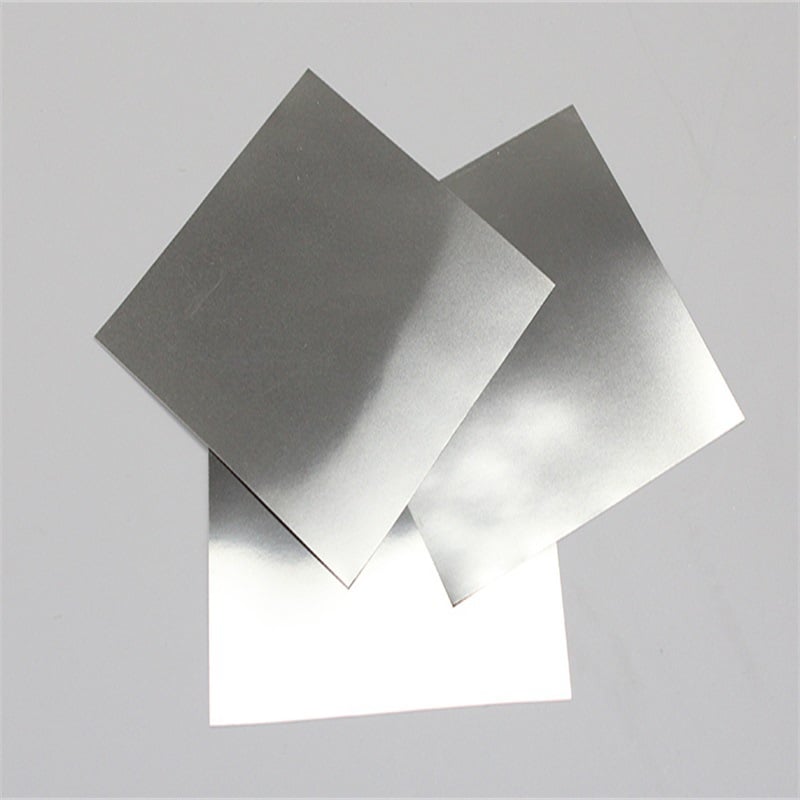
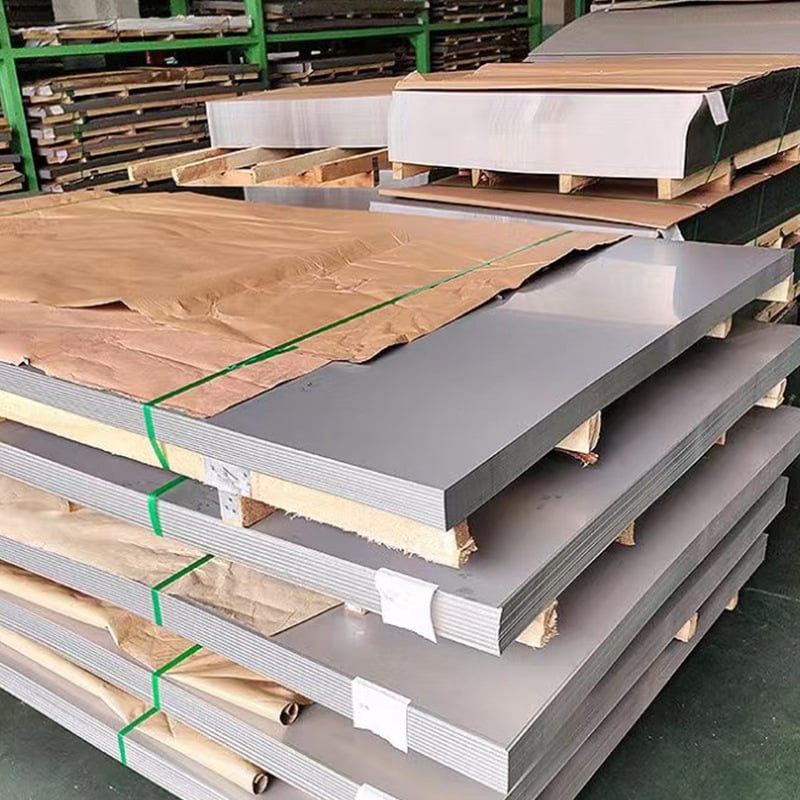
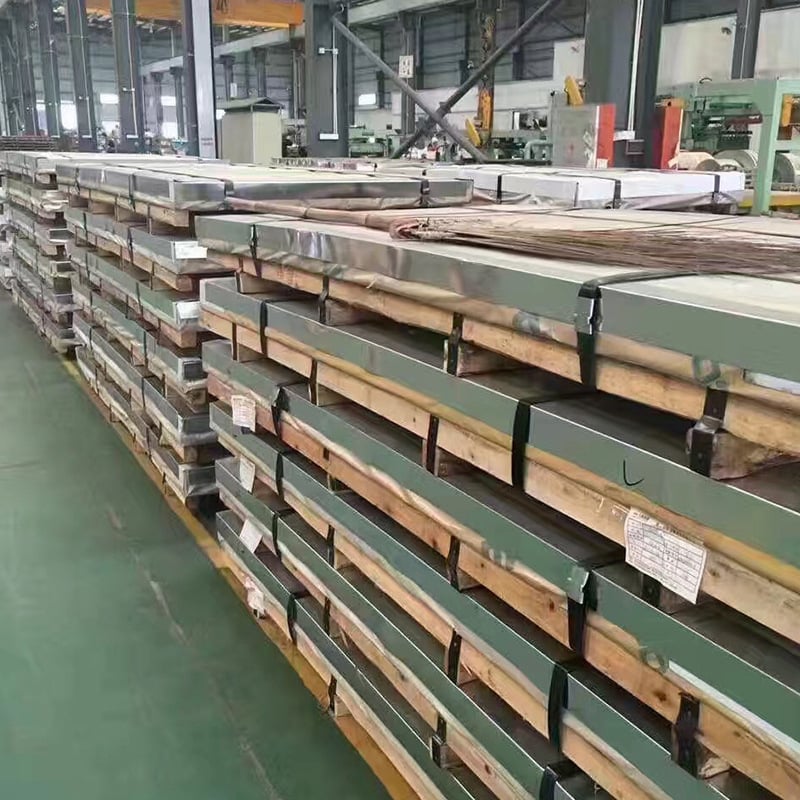
High-Temperature Austenitic Stainless Steel Plate for Furnaces, Boilers, and Thermal Processing Equipment
High-temperature austenitic stainless steel plate offering excellent oxidation resistance, strength, and stability for demanding thermal environments.
Request a Quote310, 310S, and 310H stainless steel plates are chromium-nickel austenitic alloys developed for continuous high-temperature service up to approximately 2100℉ (1149℃). With around 25% chromium and 20% nickel, these grades provide excellent resistance to oxidation, scaling, and corrosion in elevated-temperature environments.
The primary difference between 310, 310S, and 310H lies in carbon content, which affects weldability, high-temperature strength, and creep resistance.
| Grade | Carbon Content | Main Advantage | Typical Use |
|---|---|---|---|
| 310 | ≤ 0.25% | Balanced heat resistance | General high-temperature applications |
| 310S | ≤ 0.08% | Improved weldability | Fabricated and welded components |
| 310H | 0.04 – 0.10% | Higher creep resistance | Structural parts under high heat |
| Element | 310 | 310S | 310H |
|---|---|---|---|
| Carbon (C) | ≤ 0.25% | ≤ 0.08% | 0.04–0.10% |
| Manganese (Mn) | ≤ 2.00% | ||
| Phosphorus (P) | ≤ 0.045% | ||
| Sulfur (S) | ≤ 0.030% | ||
| Silicon (Si) | ≤ 1.50% | ≤ 1.50% | ≤ 0.75% |
| Chromium (Cr) | 24.0 – 26.0% | ||
| Nickel (Ni) | 19.0 – 22.0% | ||
| Iron (Fe) | Balance | ||
| Property | Value |
|---|---|
| Tensile Strength | ≥ 75 ksi |
| Yield Strength (0.2%) | ≥ 30 ksi |
| Elongation | ≥ 40% |
| Hardness | ≤ 217 HB / ≤ 95 HRB |
| Density | 0.285 lb/in³ |
| Melting Range | 2470–2555 ℉ |
| Specific Heat | 0.12 BTU/lb (32–212℉) |
| Electrical Resistivity | 30.7 microhm-in at 68℉ |
| Modulus of Elasticity | 28.5 × 10⁶ psi |
| Thermal Conductivity | 8.0 BTU/hr·ft²·ft·℉ |
| Grade | UNS | Standards |
|---|---|---|
| 310 | S31000 | ASTM A240 / A480 / ASME SA240 / AMS 5521 |
| 310S | S31008 | ASTM A240 / A480 / ASME SA240 / AMS 5521 |
| 310H | S31009 | ASTM A240 / A480 / ASME SA240 / AMS 5521 |
| Furnaces & Boilers | Burners, doors, recuperators, fans, piping |
| Thermal Processing | Annealing covers, retorts, walking beams |
| Petrochemical & Refining | Flares, catalytic recovery systems, tube hangers |
| Power Generation | Coal gasifier internals, burners, wind boxes |
| Mining & Metallurgy | Smelters, steel melting, continuous casting equipment |
| Cutting | Plasma, laser, waterjet, plate saw, shearing |
| Forming | Bending, rolling, plate leveling |
| Joining | Welding, machining |
Yes, these grades can be polished to various surface finishes depending on application needs.
The key difference is carbon content, which affects weldability and high-temperature strength.
No. Heat treatment does not significantly increase strength; performance is achieved through alloy composition.
Products Number: 304 & 316 Stainless Steel Supplier for Engineering Use
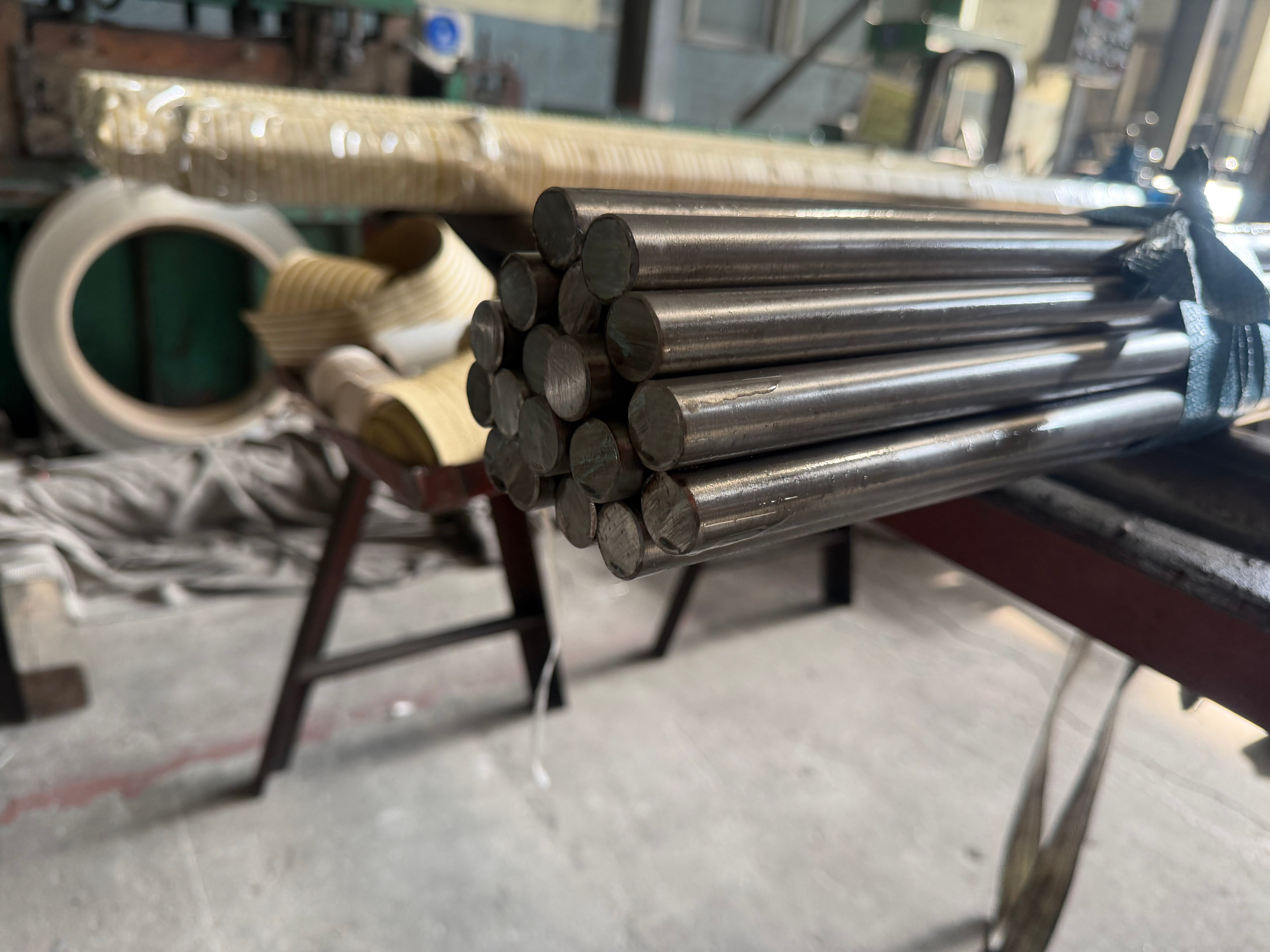
Products Number: Inconel 625 Nickel Alloy | Alloy 625 Plate, Pipe, Bar & Sheet Supplier
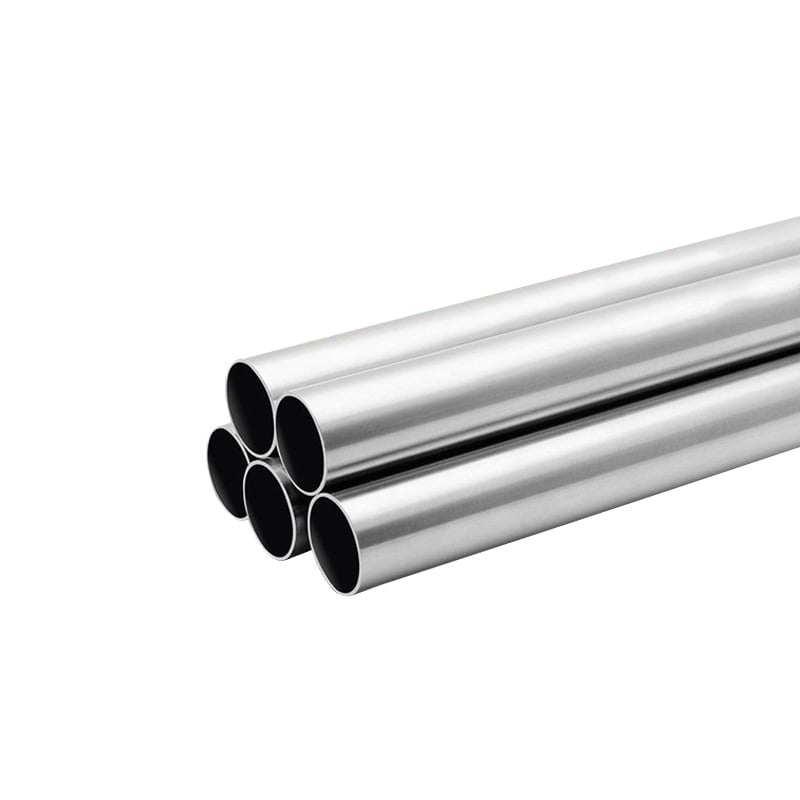
Products Number: Premium Stainless Steel Tubes & Pipes (Seamless & Welded)
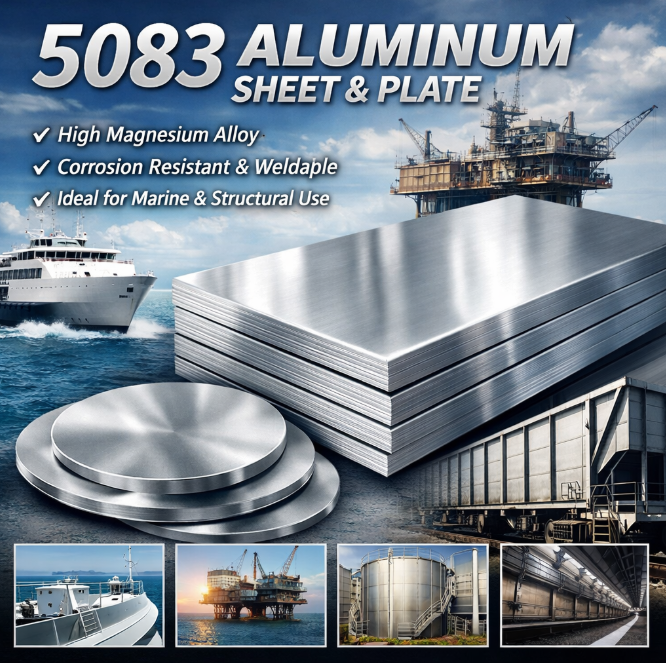
Products Number: 5083 Aluminum Sheet & Plate for Marine and Structural Applications
Products Number: 6061 Aluminum Sheet & Plate

 EN
EN