
 EN
EN




2205 Duplex Stainless Steel Pipe: Applications & Advantages
2205 duplex stainless steel pipe is a high-strength, corrosion-resistant material widely used in demanding piping systems. It offers excellent mechanical performance, reliable fabrication characteristics, and stable physical properties in harsh environments.
Thanks to these advantages, 2205 duplex is commonly selected for offshore oil & gas, chemical processing, and marine systems. It performs exceptionally well in seawater—where many conventional stainless steels struggle. Compared with 316L, 2205 provides nearly twice the yield strength and stronger resistance to chloride-induced corrosion.
That said, no material is ideal for every condition. The real performance of 2205 depends on the application environment, temperature range, and fabrication control. Understanding both its strengths and limitations helps you select the right grade and avoid long-term reliability issues.
What is 2205 Duplex Stainless Steel?
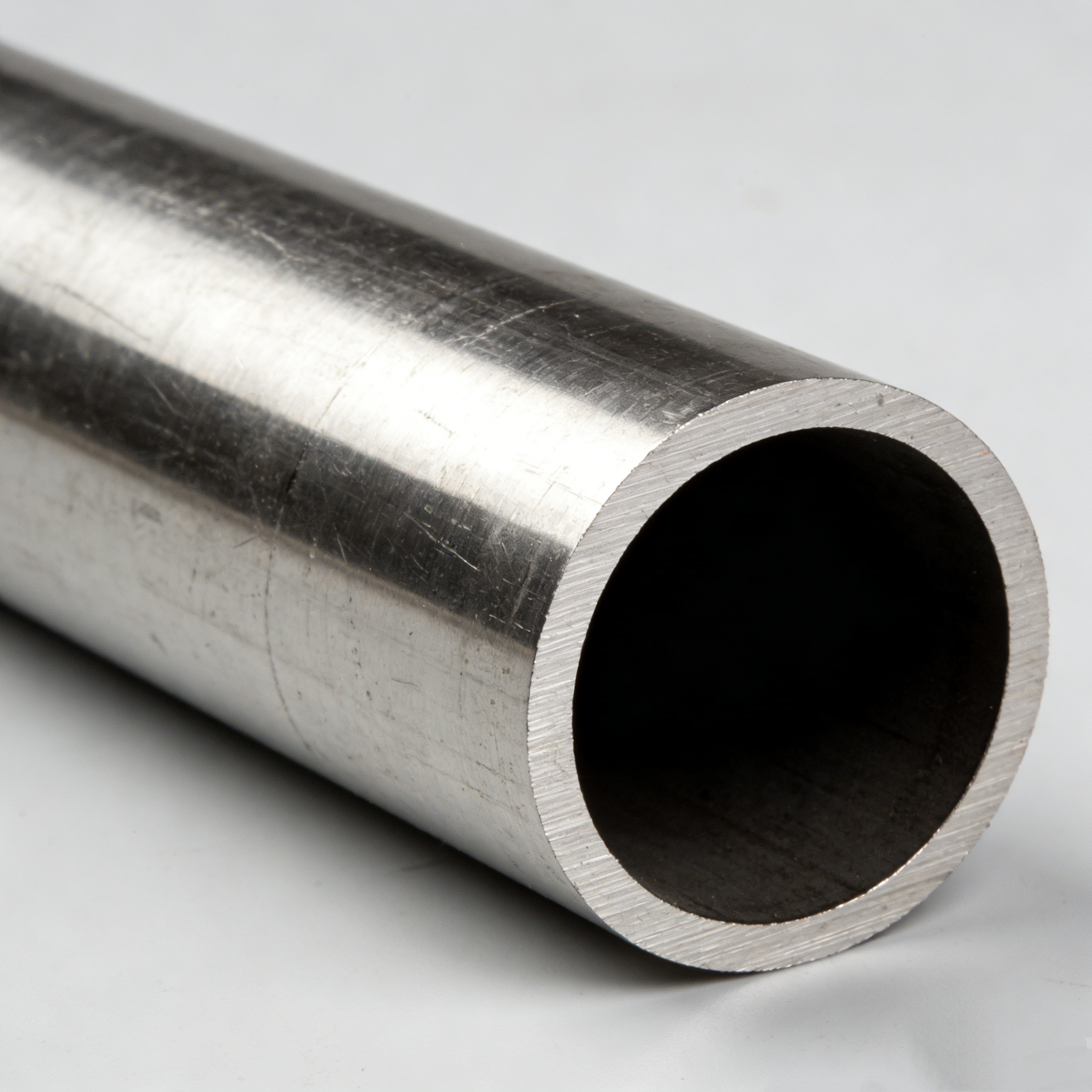
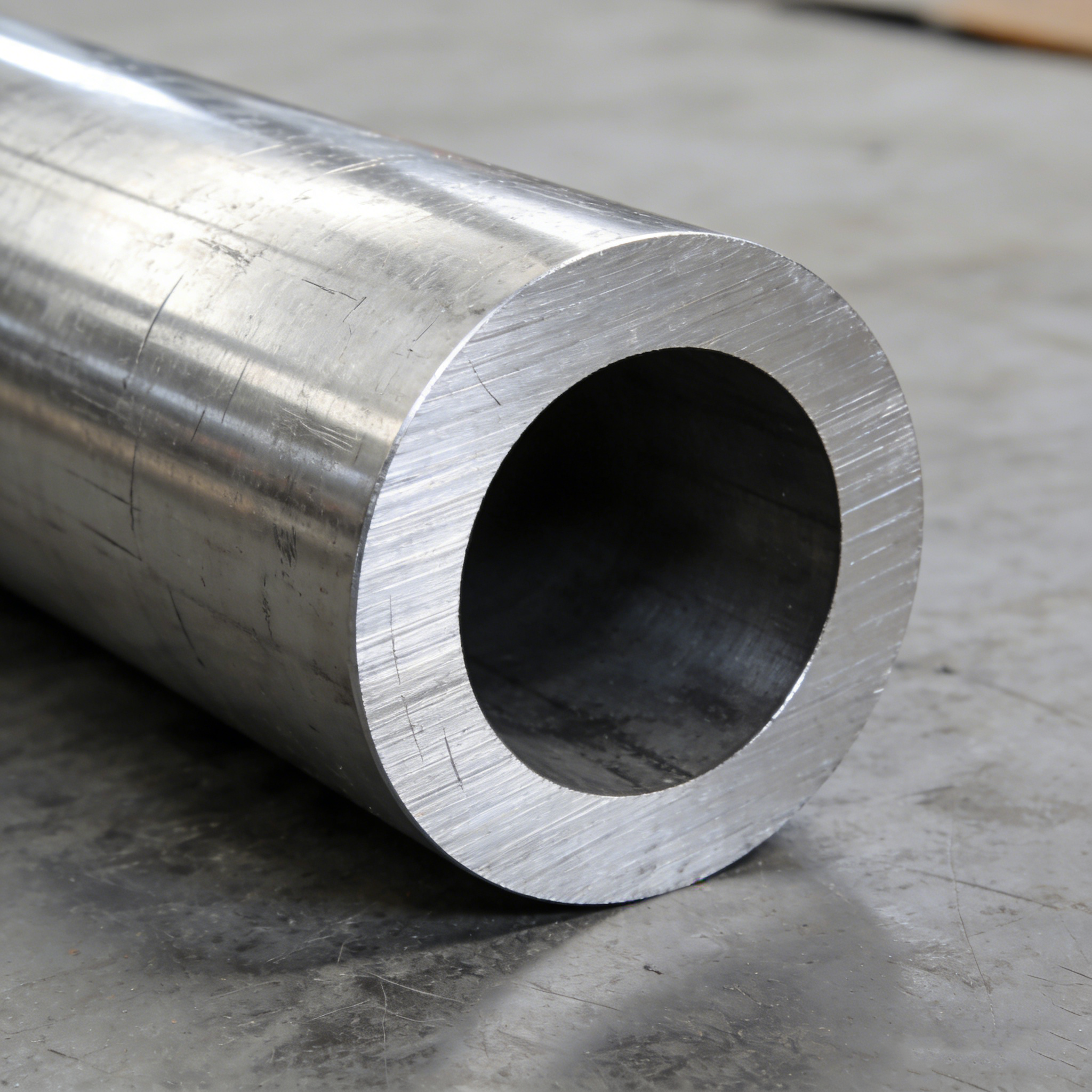
2205 duplex stainless steel is a dual-phase alloy with a balanced microstructure of approximately 50% ferrite and 50% austenite. This duplex structure provides a strong combination of high strength and corrosion resistance, making it suitable for harsh service conditions in marine, oil & gas, and chemical environments.
In practice, 2205 is commonly supplied under two UNS designations. S31803 is the original grade, while S32205 typically includes tighter controls on chromium, molybdenum, and nitrogen. As a result, S32205 is often considered an enhanced version of S31803 with more consistent performance.
The key alloying elements are listed below:
| Element | Weight percentage (%) |
|---|---|
| Chromium (Cr) | 21.0 – 23.0 |
| Nickel (Ni) | 4.5 – 6.5 |
| Molybdenum (Mo) | 2.5 – 3.5 |
| Nitrogen (N) | 0.14 – 0.20 |
| Manganese (Mn) | 2.0 max |
| Carbon (C) | 0.030 max |
| Silicon (Si) | 1.0 max |
| Phosphorus (P) | 0.030 max |
| Sulfur (S) | 0.020 max |
| Iron (Fe) | Balance |
These elements work together to achieve performance beyond single-phase stainless steels. For example, chromium improves general corrosion resistance, while molybdenum enhances pitting resistance. Nickel stabilizes the austenitic phase, and nitrogen helps maintain an optimized ferrite–austenite balance for strength and corrosion performance.
What are the Mechanical Properties of 2205 Duplex Steel Pipe?
2205 duplex offers a strong balance of toughness and strength, making it suitable for demanding service conditions where both pressure capacity and corrosion resistance matter.
- Tensile strength: Typically 620–655 MPa (90–95 ksi), enabling thinner walls while maintaining safe operating pressure.
- Yield strength: Minimum 450 MPa (65 ksi) at 0.2% offset, commonly around twice that of 316L.
- Elongation: Generally above 25% (50 mm gauge length), offering practical ductility for fabrication.
- Hardness: Up to ~293 HB or ~32 HRC, supporting wear resistance and machinability.
- Corrosion resistance: Strong resistance to pitting, crevice corrosion, and chloride stress corrosion cracking compared with 316L.
- Impact toughness: High toughness at room temperature, with stable performance down to around -50°C (-58°F) for many applications.
What are the Main Applications of 2205 Duplex Steel Pipe?
2205 duplex stainless steel is widely used in oil & gas, chemical processing, and marine environments. Below are common application areas:
1) Oil & Gas Industry
2205 is frequently used for produced water systems, seawater injection, chemical injection lines, and piping exposed to chloride environments. Its chloride stress corrosion cracking resistance and high strength make it suitable for offshore service.
It can also be used in certain sour service conditions when properly specified within applicable standards such as NACE MR0175 / ISO 15156 .
2) Chemical Processing
In chemical plants, 2205 is used in heat exchangers, storage tank connections, pressure vessel nozzles, and piping exposed to chloride-bearing streams and organic acids.
Its high yield strength can support thinner wall designs, while improved chloride corrosion resistance helps reduce stress corrosion cracking risks seen in 304L and 316L.
3) Marine & Offshore
In shipbuilding and offshore systems, 2205 is used for seawater cooling, ballast lines, and firewater systems—especially where corrosion resistance and long service life are critical.
It is also suitable for high-pressure reverse osmosis feed piping in desalination plants due to its strength and chloride resistance.
4) Pulp & Paper Industry
2205 is often used in bleaching and chloride-containing environments where austenitic grades may experience premature pitting or stress corrosion cracking.
5) Other Industries
2205 also supports hygienic and corrosion-resistant piping across industries such as:
- Food processing: Brine lines and CIP systems.
- Pharmaceuticals: Process piping for aggressive solvents and clean systems.
- Pollution control: Equipment exposed to sulfuric acid and chloride-rich streams.
What are the Limitations of 2205 Duplex Stainless Steel Pipe?
Like any alloy, 2205 has limitations. It is generally recommended for long-term service up to about 300°C (572°F). Extended exposure above this range can promote intermetallic phase formation (such as sigma), which may reduce toughness and corrosion resistance.
At very low temperatures (below approximately -50°C (-58°F)), the ferritic phase may undergo a ductile-to-brittle transition, increasing brittle fracture risk under impact loading.
Fabrication also requires more control than austenitic grades. Cold forming may increase springback, and machining is often slower than 316L, which can increase tool wear.
Welding requires proper filler selection (commonly ER2209) and heat input control to maintain a balanced microstructure and ensure corrosion performance.
FAQ
Is 2205 duplex steel pipe cost-effective?
Yes. Its high strength can reduce wall thickness and system weight, and its corrosion resistance can lower maintenance and replacement costs over time.
What is the difference between 2205 and 316 stainless steel pipe?
2205 typically provides significantly higher strength and better resistance to chloride stress corrosion cracking, while 316 offers higher ductility and is often preferred in moderate environments where formability is a priority.
Can 2205 duplex pipe be welded?
Yes. With suitable filler metal (commonly ER2209), shielding, and controlled heat input, welded joints can achieve strong mechanical performance and corrosion resistance.
How much does 2205 duplex steel pipe cost?
As a rough guide, 2205 may cost about 1.5–2.0× a comparable 316L pipe by weight. Actual pricing depends on size, quantity, surface finish, standards, and market conditions.
Conclusion
2205 duplex stainless steel pipe offers higher strength and improved corrosion resistance compared with many austenitic stainless steels. With nearly double the yield strength of 316L, it can support thinner-wall designs while maintaining safety and durability.
It also performs well in chloride-rich environments, making it a strong choice for offshore, seawater, and chemical processing systems.
For consistent performance, ensure proper specification, fabrication control, and reliable sourcing. Contact us for material traceability, heat treatment control, and compliance support for ASTM/ASME/EN requirements.