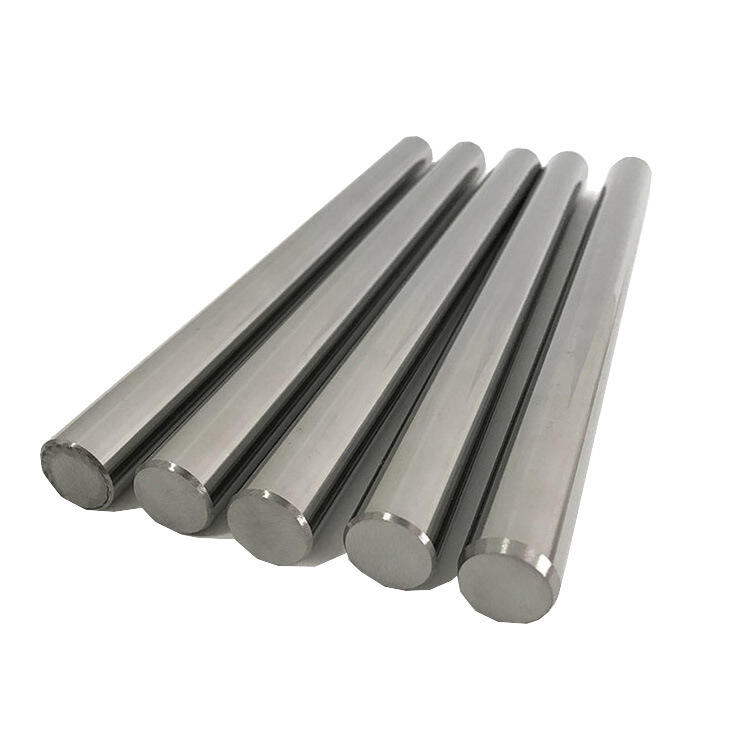
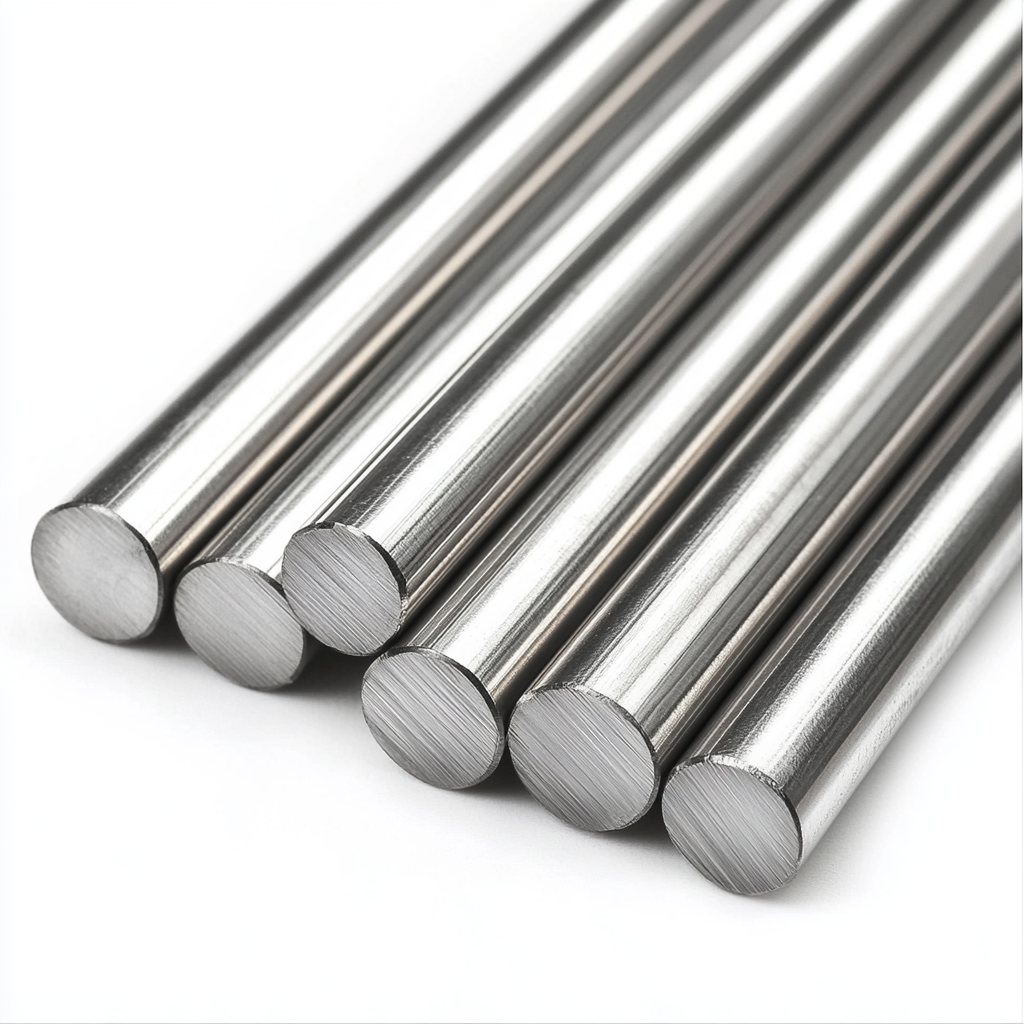
304 Stainless Steel Tubing: Premium Corrosion-Resistant Solutions for Industrial Applications

Get a Free Quote

Our representative will contact you soon.
Email
Name
Company Name
Message
0/1000

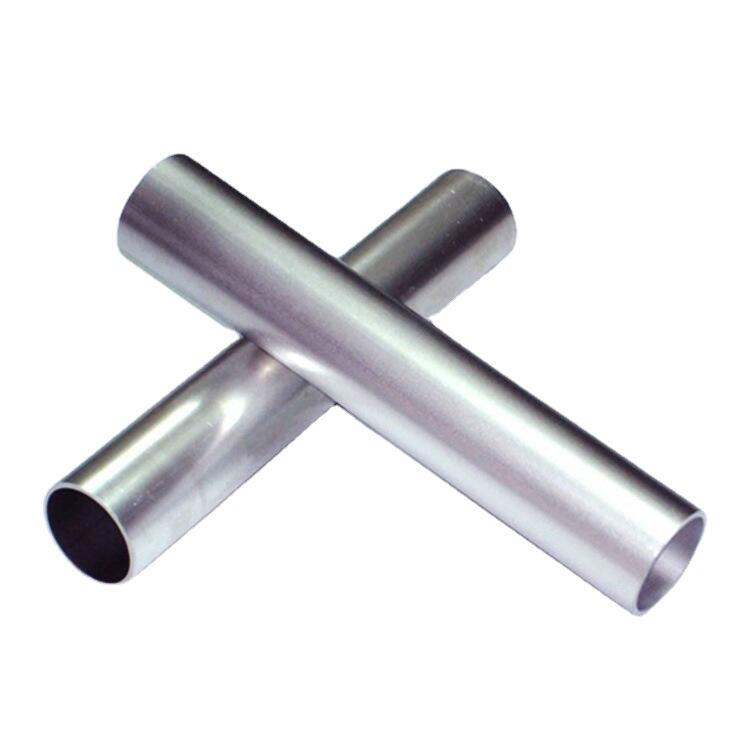
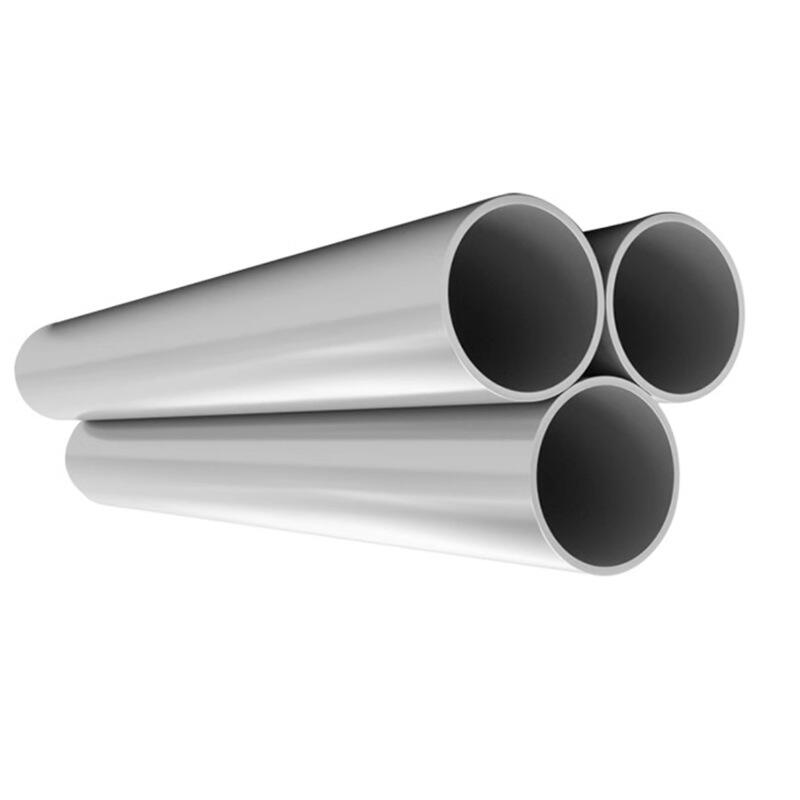
304 stainless steel tubing

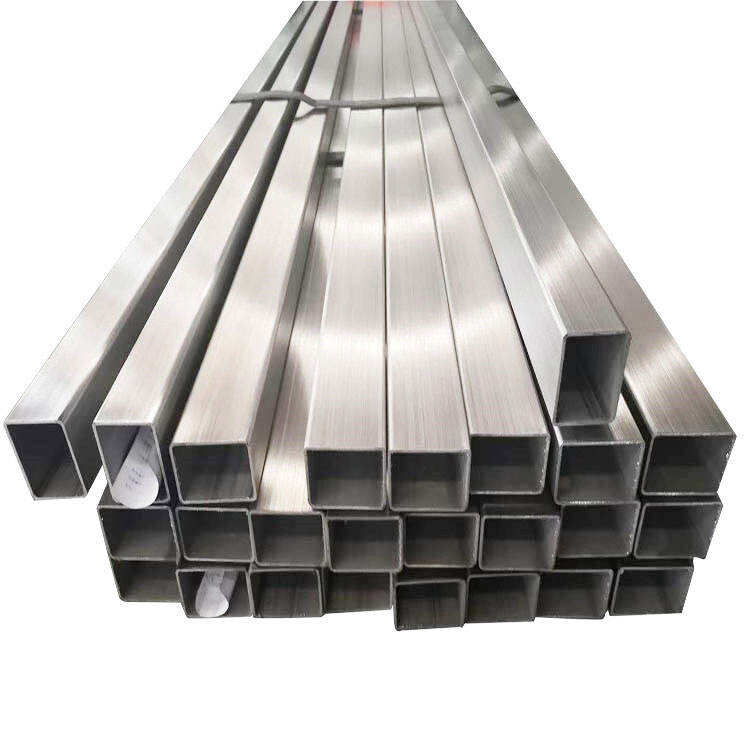
304 stainless steel tubing represents a pinnacle of modern metallurgical engineering, combining durability with versatility in industrial applications. This austenitic stainless steel grade features a composition of approximately 18% chromium and 8% nickel, creating a material that excels in corrosion resistance and structural integrity. The tubing undergoes precise manufacturing processes to ensure consistent wall thickness, dimensional accuracy, and surface finish quality. These tubes are extensively utilized across various sectors, from food processing equipment to chemical transport systems, owing to their exceptional resistance to oxidation and chemical corrosion. The material maintains its structural properties across a wide temperature range, from cryogenic conditions to elevated temperatures up to 1650°F (899°C). The non-magnetic properties and excellent weldability of 304 stainless steel tubing make it particularly suitable for complex fabrication projects. Additionally, its smooth surface finish minimizes friction losses in fluid transport applications while facilitating thorough cleaning and maintenance procedures.


New Product Recommendations

304 stainless steel tubing offers numerous compelling advantages that make it a preferred choice across various industries. The material's outstanding corrosion resistance protects against rust, oxidation, and chemical degradation, ensuring long-term reliability and reduced maintenance costs. Its high strength-to-weight ratio enables robust construction while maintaining reasonable material costs and ease of installation. The tubing's excellent heat resistance allows it to maintain structural integrity across extreme temperature variations, making it ideal for both high-temperature processing and cryogenic applications. The material's inherent hygienic properties, stemming from its non-porous surface, make it perfect for sanitary applications in food processing and pharmaceutical manufacturing. The tubes resist bacterial growth and are easy to sterilize, meeting strict industry standards. From a fabrication perspective, 304 stainless steel tubing offers superior weldability and formability, allowing for complex designs and modifications without compromising structural integrity. The material's durability translates to extended service life, reducing replacement frequency and overall lifecycle costs. Environmental considerations are also addressed, as the material is 100% recyclable and requires minimal surface treatments or coatings to maintain its protective properties. The tubing's versatility in accepting various surface finishes, from mirror polish to matte, accommodates diverse aesthetic and functional requirements while maintaining its core performance characteristics.

Tips And Tricks

Why Stainless Steel Tubes Are Used in High-Pressure Environments

29

Sep

Why Stainless Steel Tubes Are Used in High-Pressure Environments

The Critical Role of Stainless Steel in Industrial Applications In the demanding world of industrial operations, the selection of materials can make the difference between success and catastrophic failure. Stainless steel tubes have emerged as the co...
View More
How to Ensure the Durability of Stainless Steel Tubes in Harsh Conditions

29

Sep

How to Ensure the Durability of Stainless Steel Tubes in Harsh Conditions

Maximizing Longevity of Industrial Steel Components in Challenging Environments The durability of steel tubes in demanding industrial settings has become increasingly critical as industries push the boundaries of operational conditions. From chemical...
View More
How to Select the Right Aluminum Bar for Your Manufacturing Needs

22

Oct

How to Select the Right Aluminum Bar for Your Manufacturing Needs

Understanding aluminum bars for manufacturing Aluminum bars are a versatile material widely used in manufacturing due to their lightweight, strength, and corrosion resistance. Selecting the right aluminum bar is crucial to ensure that manufacturing p...
View More
How to Choose the Best Aluminum Coil for Your Project

07

Nov

How to Choose the Best Aluminum Coil for Your Project

Selecting the Right Aluminum Coil for Your Needs When working on a construction, automotive, or manufacturing project, choosing the correct aluminum coil is a critical step. Aluminum coils offer a unique combination of lightweight properties, corrosi...
View More

Get a Free Quote

Our representative will contact you soon.
Email
Name
Company Name
Message
0/1000

304 stainless steel tubing

Superior Corrosion Resistance and Durability

Superior Corrosion Resistance and Durability

The exceptional corrosion resistance of 304 stainless steel tubing stems from its carefully balanced chromium-nickel composition, which forms a self-healing passive oxide layer on the surface. This protective barrier automatically regenerates when damaged, providing continuous protection against environmental factors and chemical agents. The material's resistance extends to various corrosive media, including atmospheric conditions, steam, organic chemicals, and many acids. This inherent protection eliminates the need for additional protective coatings or treatments, reducing maintenance requirements and extending service life. The durability of 304 stainless steel tubing is further enhanced by its high tensile strength and excellent fatigue resistance, enabling it to withstand repeated stress cycles without failure. These properties make it particularly valuable in applications requiring long-term reliability and minimal maintenance intervention.
Versatile Temperature Performance

Versatile Temperature Performance

304 stainless steel tubing demonstrates remarkable performance across an extensive temperature range, making it suitable for diverse applications from cryogenic processing to high-temperature operations. The material maintains its mechanical properties and structural integrity from sub-zero temperatures up to 899°C (1650°F), without experiencing significant degradation or deformation. This wide operating temperature range is particularly beneficial in heat exchange systems, where thermal cycling can cause material fatigue in lesser grades. The material's low thermal expansion coefficient helps minimize stress on connections and joints during temperature fluctuations, ensuring system reliability. Additionally, its excellent thermal conductivity promotes efficient heat transfer in processing applications, while its resistance to scaling at elevated temperatures maintains system efficiency over extended periods.
Hygienic Properties and Processing Compatibility

Hygienic Properties and Processing Compatibility

The hygienic characteristics of 304 stainless steel tubing make it an ideal choice for applications requiring strict cleanliness and contamination control. Its non-porous surface prevents bacterial growth and accumulation of contaminants, while its resistance to cleaning agents and sterilization processes ensures maintained sanitary conditions. The material can withstand repeated cleaning cycles using aggressive chemicals without surface degradation, making it perfect for pharmaceutical and food processing installations. The smooth surface finish achievable with 304 stainless steel reduces product adhesion and facilitates complete drainage, minimizing the risk of cross-contamination between production batches. These properties, combined with its compliance with FDA and international food safety standards, make it the preferred choice for hygiene-critical applications.

Get a Free Quote

Our representative will contact you soon.
Email
Name
Company Name
Message
0/1000