aluminium tube price
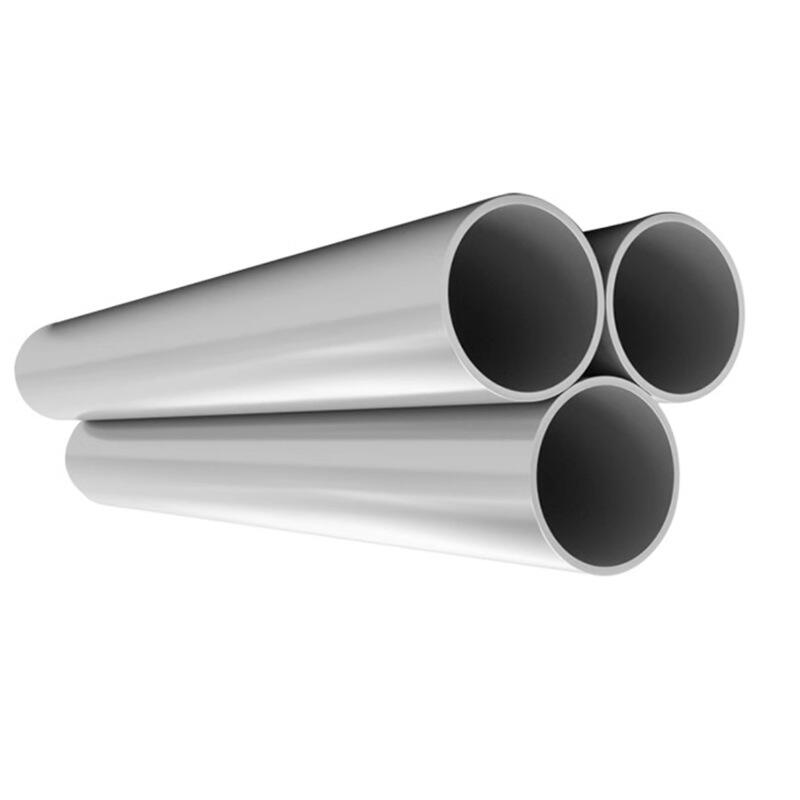
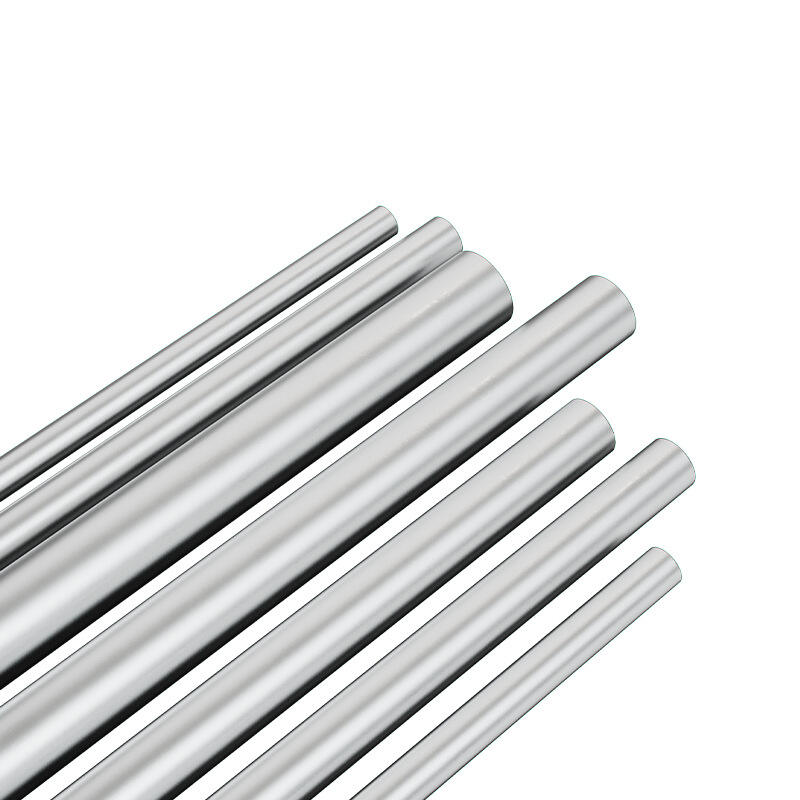
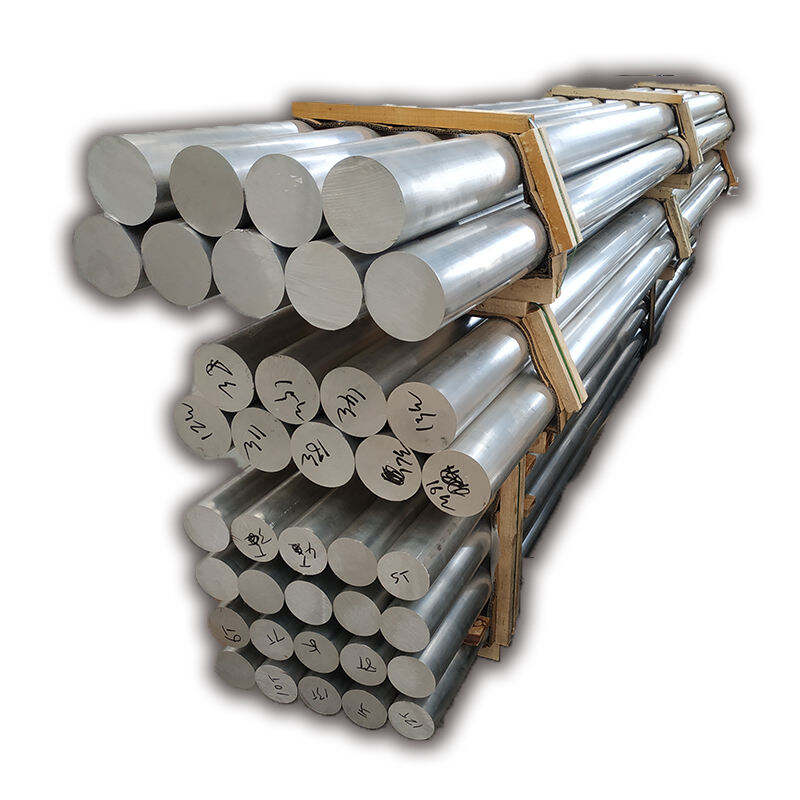
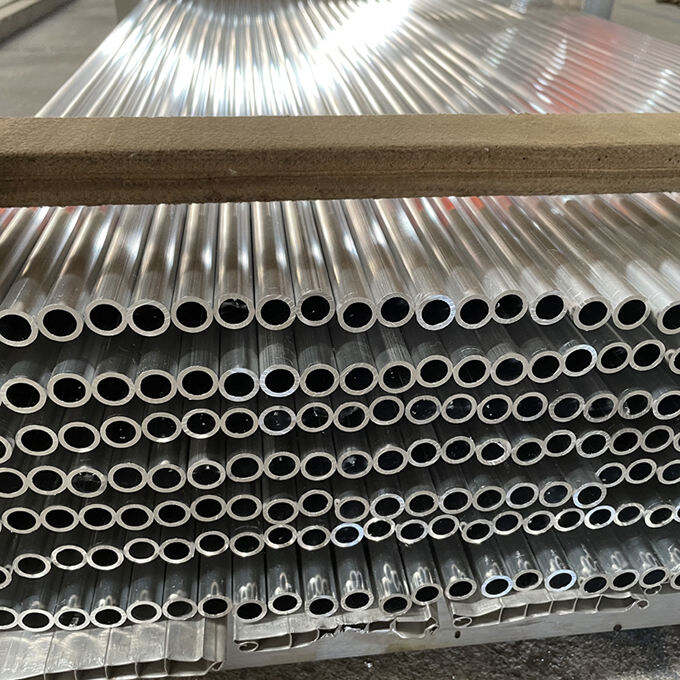
Aluminium tube pricing represents a crucial aspect of industrial and commercial procurement, reflecting the dynamic nature of the global metals market. The cost structure encompasses various factors including raw material expenses, manufacturing processes, market demand, and global economic conditions. Modern aluminum tubes are engineered for versatility, offering excellent corrosion resistance, lightweight properties, and superior thermal conductivity. These tubes find extensive applications across industries, from HVAC systems and heat exchangers to structural components and decorative elements. The pricing typically varies based on specifications such as wall thickness, diameter, alloy grade, and surface finish. Market fluctuations in primary aluminum prices, energy costs, and transportation expenses directly influence the final pricing structure. Manufacturers often provide different pricing tiers based on order volume, with bulk purchases generally qualifying for more competitive rates. The aluminum tube market also considers factors like custom specifications, treatment processes, and certification requirements when determining prices. Quality standards and compliance with international regulations play a significant role in price determination, ensuring that products meet industry-specific requirements while maintaining cost-effectiveness.

 EN
EN