
 EN
EN



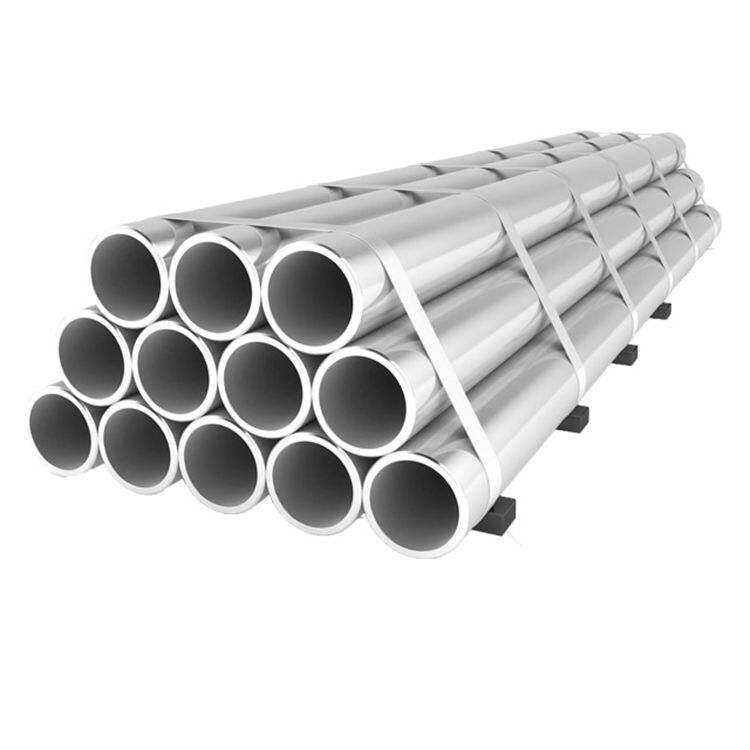
Selecting the perfect aluminum pipe for industrial applications requires a systematic approach that balances performance requirements, environmental conditions, and cost considerations. Industrial facilities across manufacturing, petrochemical, food processing, and construction sectors depend on aluminum pipe systems that deliver reliable performance under demanding operational conditions. The selection process involves evaluating multiple technical parameters, material specifications, and application-specific requirements to ensure optimal system performance and longevity.
The complexity of modern industrial processes demands aluminum pipe solutions that meet stringent quality standards while providing exceptional value. From pressure ratings and temperature tolerance to corrosion resistance and dimensional accuracy, each selection criterion plays a critical role in determining system reliability and operational efficiency. Understanding these fundamental selection principles enables engineers and procurement professionals to make informed decisions that support long-term operational success and minimize total cost of ownership.
Understanding Aluminum Pipe Material Properties for Industrial Use
Alloy Composition and Strength Characteristics
The foundation of aluminum pipe selection begins with understanding alloy composition and its impact on mechanical properties. Different aluminum alloys offer varying strength-to-weight ratios, corrosion resistance levels, and temperature performance characteristics. Series 6000 aluminum alloys, particularly 6061 and 6063, provide excellent structural integrity and weldability for general industrial piping applications. These alloys combine adequate strength with superior corrosion resistance, making them suitable for both indoor and outdoor installations.
Series 3000 aluminum alloys, including 3003 and 3105, offer enhanced corrosion resistance and formability, making them ideal for applications involving chemical processing or marine environments. The aluminum pipe selection process must account for the specific mechanical properties required by the application, including tensile strength, yield strength, and elongation characteristics. Understanding these material properties ensures that the selected aluminum pipe can withstand operational stresses while maintaining dimensional stability throughout its service life.
Temper designation significantly influences aluminum pipe performance characteristics. T6 temper provides maximum strength through solution heat treatment and artificial aging, while T4 temper offers good formability with moderate strength. The selection of appropriate temper depends on whether the aluminum pipe will undergo field modifications, welding operations, or requires maximum as-installed strength for high-pressure applications.
Corrosion Resistance and Environmental Compatibility
Corrosion resistance represents a critical selection criterion for aluminum pipe in industrial environments. Natural oxide formation on aluminum surfaces provides inherent corrosion protection, but specific environmental conditions may require additional consideration. Chloride-rich environments, acidic conditions, or exposure to dissimilar metals can accelerate corrosion processes and compromise system integrity. The aluminum pipe selection process must evaluate environmental exposure conditions and specify appropriate protective measures when necessary.
Galvanic corrosion prevention becomes essential when aluminum pipe systems interface with steel, copper, or other metallic components. Proper material selection includes specifying compatible fasteners, gaskets, and connection hardware to prevent electrochemical reactions. Anodizing treatments can enhance corrosion resistance and provide decorative finishes, while protective coatings offer additional environmental protection for severe service conditions.
Chemical compatibility assessment ensures that the aluminum pipe material remains stable when exposed to process fluids, cleaning chemicals, or atmospheric contaminants. Certain chemicals, including strong acids, bases, and halogen compounds, may cause rapid degradation of aluminum surfaces. The selection process must include thorough chemical compatibility review to ensure long-term material integrity and system reliability.
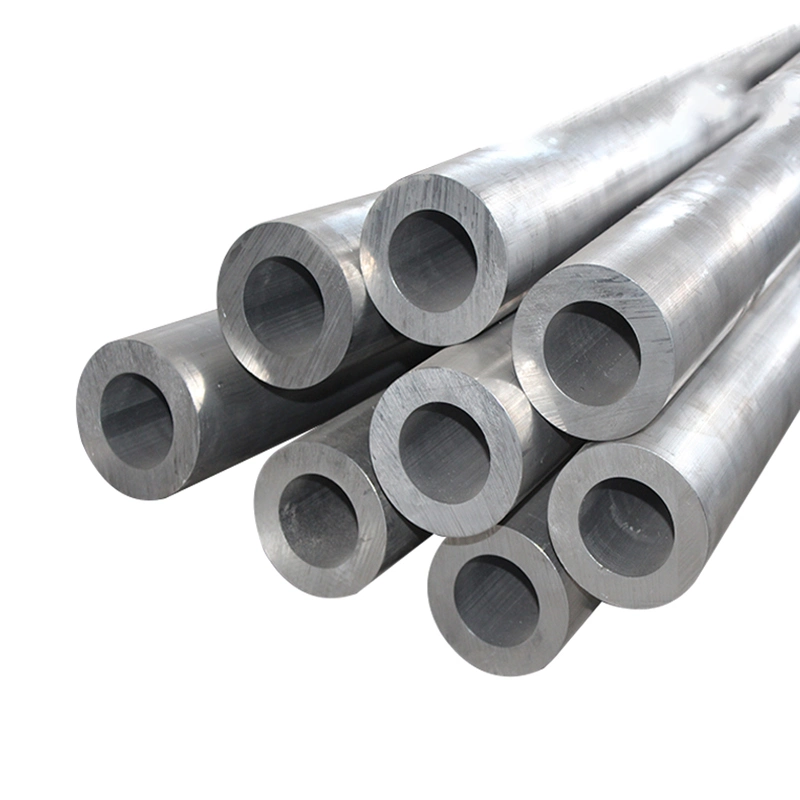
Pressure Rating and Temperature Considerations
Pressure Rating Calculations and Safety Factors
Pressure rating determination forms the cornerstone of safe aluminum pipe system design and selection. Working pressure calculations must account for material properties, wall thickness, diameter, and applicable safety factors to ensure reliable operation under maximum design conditions. Industry standards such as ASME B31.3 and ASME B31.1 provide calculation methodologies for determining allowable working pressures based on material properties and geometric parameters.
The aluminum pipe pressure rating calculation considers both steady-state operating pressures and transient pressure conditions that may occur during system startup, shutdown, or upset conditions. Pressure surge analysis helps identify peak pressure conditions that exceed normal operating parameters, ensuring that the selected aluminum pipe can accommodate these temporary overpressure situations without failure. Safety factor application provides additional margin against unexpected pressure excursions or material degradation over time.
Wall thickness selection directly impacts pressure rating capabilities and system weight considerations. Thicker wall aluminum pipe provides higher pressure ratings but increases material costs and installation complexity. The optimization process balances pressure requirements against economic considerations to identify the most cost-effective solution that meets safety requirements. Standard wall thickness schedules provide convenient selection options for common pressure applications.
Temperature Performance and Thermal Expansion
Temperature performance evaluation ensures that aluminum pipe maintains adequate strength and dimensional stability across the operating temperature range. Elevated temperatures reduce aluminum strength and may affect long-term creep resistance, requiring careful evaluation of allowable stresses at maximum operating temperatures. Low-temperature applications must consider ductile-to-brittle transition characteristics and impact toughness requirements for safe operation.
Thermal expansion coefficients for aluminum exceed those of steel and other common piping materials, requiring careful consideration of expansion joint placement and pipe support design. The aluminum pipe system design must accommodate thermal growth while maintaining structural integrity and preventing excessive stresses at connection points. Proper expansion joint selection and placement prevents thermal stress accumulation and reduces maintenance requirements.
Thermal cycling effects can cause fatigue damage in aluminum pipe systems subjected to repeated heating and cooling cycles. The selection process must evaluate expected thermal cycling frequency and magnitude to ensure adequate fatigue resistance. Material selection and system design practices that minimize thermal stress concentrations help extend service life and reduce maintenance costs in cyclic temperature applications.
Dimensional Specifications and Manufacturing Standards
Size Selection and Flow Capacity Requirements
Proper size selection ensures that aluminum pipe systems provide adequate flow capacity while minimizing pressure drop and pumping costs. Flow velocity optimization balances between achieving adequate flow rates and preventing erosion damage from excessive fluid velocities. Standard aluminum pipe sizes follow established dimensional conventions that facilitate component compatibility and reduce inventory requirements.
Internal diameter accuracy affects flow calculations and system performance predictions. Manufacturing tolerances for aluminum pipe internal dimensions must be considered when performing precise flow calculations for critical applications. The selection process should specify dimensional tolerances that support accurate flow predictions while remaining economically feasible for the intended application.
Length requirements and availability influence material costs and installation efficiency. Standard aluminum pipe lengths provide cost advantages over special cut lengths, but may require additional joints and fittings. The selection process must balance between minimizing joint count and maintaining reasonable material costs. Custom length aluminum pipe may be justified for applications requiring minimal joints or specific installation constraints.
Manufacturing Quality and Standards Compliance
Manufacturing quality standards ensure that aluminum pipe meets specified performance requirements and maintains consistency across production lots. ASTM standards such as ASTM B241 and ASTM B345 provide comprehensive requirements for aluminum pipe dimensions, material properties, and testing procedures. Compliance with recognized standards ensures material traceability and quality assurance throughout the supply chain.
Welding qualification requirements affect aluminum pipe selection for applications requiring field modifications or repair capabilities. Weldable aluminum alloys facilitate field installation flexibility but may require specific welding procedures and qualified personnel. The selection process must consider whether welding capabilities are required and specify appropriate aluminum pipe grades that support reliable welding operations.
Surface finish requirements influence both aesthetic appearance and functional performance characteristics. Mill finish aluminum pipe provides cost-effective solutions for most industrial applications, while polished or anodized finishes offer enhanced corrosion resistance and appearance for demanding environments. Surface finish selection should balance functional requirements against cost considerations and maintenance expectations.
Application-Specific Selection Criteria
Industry-Specific Requirements and Standards
Different industrial sectors impose unique requirements on aluminum pipe selection that extend beyond basic material properties and dimensions. Food processing applications require aluminum pipe grades that comply with FDA regulations and provide smooth internal surfaces that resist bacterial growth and facilitate cleaning operations. Pharmaceutical and biotechnology applications demand even higher purity levels and may require special certification documentation.
Chemical processing facilities require aluminum pipe materials that resist specific chemical environments while maintaining structural integrity under process conditions. The selection process must include comprehensive chemical compatibility analysis and may require special alloy grades or protective coatings. Petrochemical applications often involve elevated temperatures and pressures that demand high-strength aluminum pipe with verified performance characteristics.
Marine and offshore applications expose aluminum pipe to chloride-rich environments that accelerate corrosion processes. Special aluminum alloys with enhanced corrosion resistance or protective coating systems may be required to achieve acceptable service life. The selection process must account for maintenance accessibility limitations and specify aluminum pipe systems that minimize maintenance requirements in challenging environments.
Installation and Maintenance Considerations
Installation requirements significantly influence aluminum pipe selection decisions and total project costs. Weight considerations become critical for elevated installations or applications with limited structural support capacity. The lightweight characteristics of aluminum pipe reduce installation labor requirements and structural support costs compared to heavier piping materials. Handling and transportation advantages also reduce logistics costs for large projects.
Connection methods and compatibility with existing systems affect aluminum pipe selection and installation planning. Threaded connections provide convenience for smaller diameter applications, while welded or flanged connections offer higher integrity for critical service applications. The selection process must ensure compatibility with existing system components and specify appropriate connection hardware.
Maintenance accessibility and repairability requirements influence aluminum pipe system design and material selection. Applications requiring frequent inspection or cleaning may benefit from removable sections or special access provisions. The aluminum pipe selection should consider long-term maintenance requirements and specify materials and configurations that support efficient maintenance operations while minimizing system downtime.
FAQ
What are the most important factors to consider when selecting aluminum pipe for high-pressure applications?
High-pressure aluminum pipe selection requires careful evaluation of material strength properties, wall thickness requirements, and safety factors. The most critical factors include alloy selection (typically 6061-T6 for maximum strength), proper pressure rating calculations according to ASME standards, and consideration of temperature effects on material properties. Wall thickness must be calculated based on maximum operating pressure plus appropriate safety margins, and the selection should account for pressure surge conditions that may exceed normal operating parameters.
How does temperature affect aluminum pipe performance and selection criteria?
Temperature significantly impacts aluminum pipe strength, thermal expansion behavior, and long-term reliability. Elevated temperatures reduce allowable stresses and may require thicker wall sections or special heat-resistant alloys. Thermal expansion of aluminum exceeds that of steel, requiring careful expansion joint design and pipe support planning. The selection process must evaluate maximum and minimum operating temperatures, thermal cycling effects, and potential thermal stress concentrations to ensure adequate performance throughout the operating temperature range.
What aluminum alloys are best suited for corrosive industrial environments?
For corrosive environments, aluminum alloys from the 5000 and 6000 series typically provide the best corrosion resistance. Alloy 5083 offers excellent resistance to marine environments, while 6061 provides good general corrosion resistance with superior strength characteristics. The selection should consider specific corrosive agents present in the environment, with chemical compatibility analysis determining whether standard alloys are sufficient or special protective measures are required. Anodizing or protective coatings may be necessary for severe corrosive conditions.
How do I determine the correct wall thickness for my aluminum pipe application?
Wall thickness determination requires pressure rating calculations based on maximum operating pressure, material properties, and applicable safety factors. Use recognized calculation methods from ASME B31.3 or similar standards, considering both steady-state and transient pressure conditions. The calculation must account for allowable stress values at operating temperature, corrosion allowances if applicable, and manufacturing tolerances. Standard wall thickness schedules provide convenient options for common applications, while custom calculations may be required for unique operating conditions.
Table of Contents
- Understanding Aluminum Pipe Material Properties for Industrial Use
- Pressure Rating and Temperature Considerations
- Dimensional Specifications and Manufacturing Standards
- Application-Specific Selection Criteria
-
FAQ
- What are the most important factors to consider when selecting aluminum pipe for high-pressure applications?
- How does temperature affect aluminum pipe performance and selection criteria?
- What aluminum alloys are best suited for corrosive industrial environments?
- How do I determine the correct wall thickness for my aluminum pipe application?