
 EN
EN




សន្លឹកដែកអ៊ីណុក: ទំហំ ថ្នាក់ ផ្ទៃមុខ និងគោលណែនការទិញ
ការទិញសន្លឹកទឹកក្តៅដែលធ្វើពីស្ពាន់អ៊ីណុកហាក់ដូចជាងាយស្រួលនៅដំបូង។ អ្នកទិញអាចសុំតែ «សន្លឹកទឹកក្តៅដែលធ្វើពីស្ពាន់អ៊ីណុក 304» ឬ «សន្លឹកទឹកក្តៅដែលធ្វើពីស្ពាន់អ៊ីណុក 2B» ប៉ុណ្ណោះ។ ប៉ុន្តែក្នុងគម្រោងជាក់ស្តែង ការសុំបែបនេះមិនគ្រប់គ្រាន់ទេ។ កម្រាស់ ទំហំ ថ្នាក់ ផ្ទៃសម្បុរ កំហាប់ ស្តង់ដារ និងស្រទាប់ការពារ អាចប៉ះពាល់ដល់ថ្លៃការផលិត ពេលវេលាដឹកជញ្ជូន និងសមត្ថភាពប្រើប្រាស់ចុងក្រាយ។
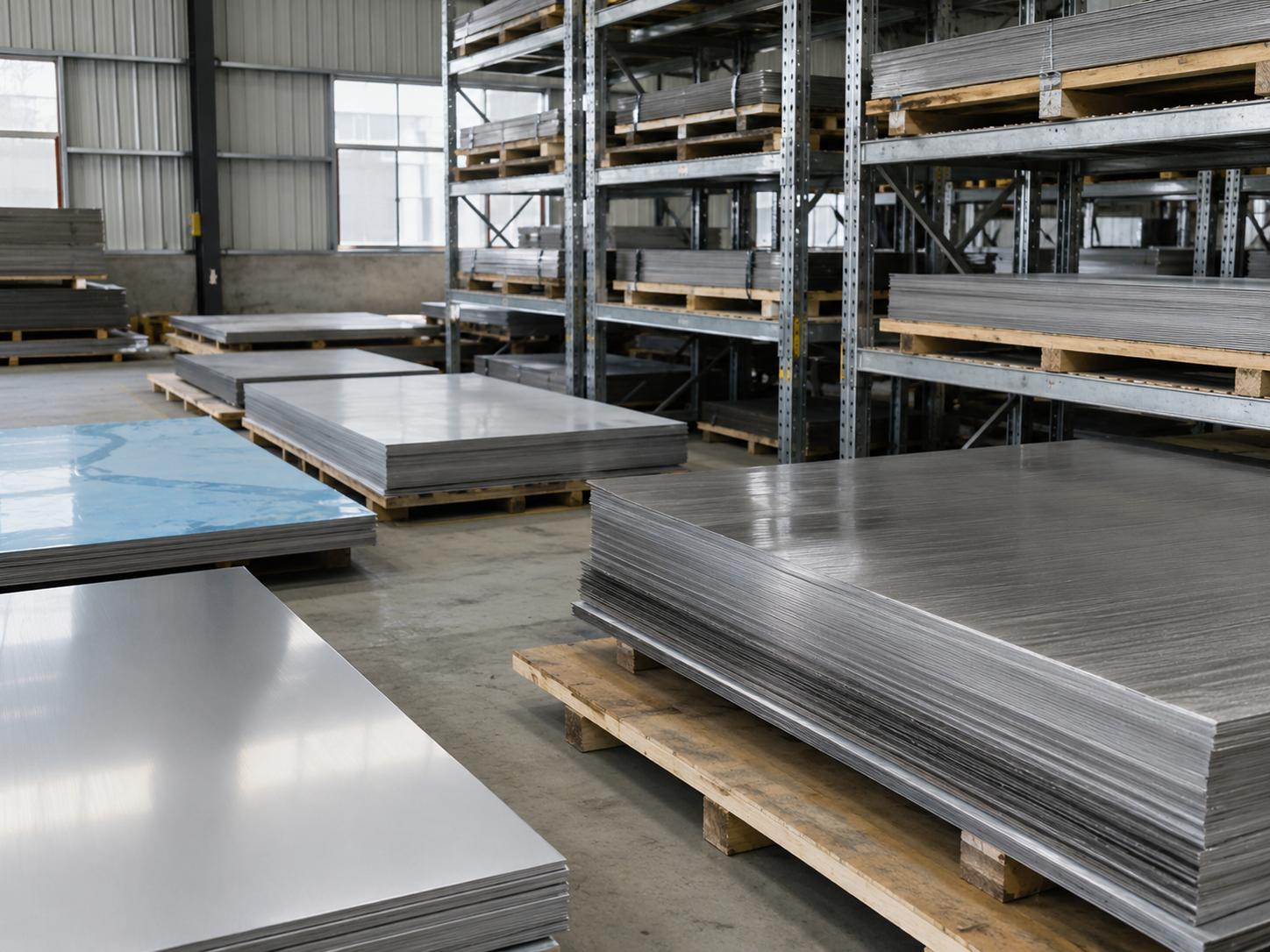
គ្រឿងណែនាំនេះពន្យល់ពីចំណុចសំខាន់ៗដែលអ្នកទិញគួរតែពិនិត្យមុនពេលបញ្ជាទិញសន្លឹកទឹកក្តៅដែលធ្វើពីស្ពាន់អ៊ីណុក។
សន្លឹកទឹកក្តៅដែលធ្វើពីស្ពាន់អ៊ីណុកគឺជាអ្វី?
សន្លឹកទង់ដែលធ្វើពីស្ពាន់មិនរលួយគឺជាផលិតផលស្ពាន់មិនរលួយប្រភេទរាបស្មើ និងប្រអប់។ វាជាទូទៅត្រូវបានផ្តល់ជាសន្លឹកកាត់ ឬត្រូវបានដំណាំពីគូលស្ពាន់មិនរលួយ។ នៅក្នុងទីផ្សារជាច្រើន សន្លឹកត្រូវបានប្រើសម្រាប់សម្ភារៈរាបស្មើដែលមានស្រាប់ប្រែ ខណៈដែលផ្ទៃស្ពាន់ត្រូវបានប្រើសម្រាប់សម្ភារៈដែលមានស្រាប់ប្រែ និងធ្ងន់ជាង។
ទម្រង់ធម្មតា
សន្លឹកកាត់ សន្លឹករាបស្មើ សន្លឹកប៉ូលីស សន្លឹកប្រកបដោយគ្រាប់ និងសន្លឹកដែលត្រូវបានដំណាំពីគូល។
ចំណុចខ្លាំងសំខាន់ៗ
មានស្ថេរភាពល្អប្រឆាំងនឹងការរលួយ មានរូបរាងស្អាត ងាយស្រួលក្នុងការបង្កើត និងមានអាយុកាលប្រើប្រាស់យូរ។
អ្នកទិញធម្មតា
អ្នកផលិត អ្នកផលិតឧបករណ៍ អ្នកទិញសំណង់ ក្រុមហ៊ុនវិស្វកម្ម និងអ្នកចែកចាយ។
សន្លឹកស្ពាន់មិនរលួយត្រូវបានប្រើយ៉ាងទូទៅនៅក្នុងឧបករណ៍បរិភោគ ម៉ាស៊ីនដំណាំអាហារ ឧបករណ៍គីមី ផ្ទៃរបស់អេឡេវេទ័រ ការប៉ាក់ផ្ទៃជញ្ជាំង ធុង ផ្នែក HVAC ផ្នែកយានយន្ត គ្រឿងបន្លាស់សមុទ្រ និងការផលិតលោហៈទូទៅ។
សម្រាប់អ្នកទិញដែលត្រូវការសម្ភារៈស្ពាន់រាបស្មើសម្រាប់ការផលិត ឬផ្គត់ផ្គង់គម្រោង។ ផលិតផលស្ពាន់មិនរលួយប្រភេទផ្ទៃ និងសន្លឹក ត្រូវបានជ្រើសរើសជាទូទៅដោយផ្អែកលើថ្នាក់ សំណង់ ផ្ទៃមុខ និងការប្រើប្រាស់។
ទំហំស្តាំងលេសអ៊ីស្លេសស្តង់ដារ
ស្តាំងលេសអ៊ីស្លេសស្តង់ដារមានជាទម្រាប់ស្តង់ដារ និងទំហំដែលកាត់តាមការបញ្ជាក់។ អ្នកទិញជាញឹកញាប់ជ្រើសរើសទំហំស្តង់ដារនៅពេលដែលពួកគេចង់បានការដឹកជញ្ជូនលឿនជាងមុន និងថ្លៃដើមការដំណាំទាបជាងមុន។
| ទំហំ | ការប្រើប្រាស់ទូទៅ | កំណត់ចំណាំសម្រាប់ការទិញ |
|---|---|---|
| 1000 × 2000 មម | ការផលិតតូចៗ ផ្ទៃគ្រប និងគ្រប់គ្រង | សាកសមសម្រាប់ផ្នែកតូចៗ និងទម្ងន់ដែលងាយស្រួលដំណាំ។ |
| 1219 × 2438 មម | សន្លឹក 4 × 8 ហ្វីត ទំហំនាំចេញទូទៅ | ប្រើប្រាស់យ៉ាងទូទៅក្នុងការទិញអន្តរជាតិ និងងាយស្រួលក្នុងការវេចខ្ចប់។ |
| 1500 × 3000 មម | ផ្ទៃដែលមានទំហំធំ និងផ្នែកម៉ាស៊ីន | ល្អសម្រាប់ផ្នែកដែលមានទំហំធំ ដែលត្រូវភ្ជាប់គ្នាតិច |
| 1500 × 6000 មម | ប្រើសម្រាប់ការផលិត និងសាងសង់ដែលមានទំហំធំ | មានប្រយោជន៍សម្រាប់ផ្ទៃដែលមានប្រវែង ធុង និងការផលិតឧស្សាហកម្ម |
| ទំហំកាត់តាមការបញ្ជាក់ | ការផលិតដែលផ្អែកលើគម្រោង | ជួយកាត់បន្ថយការខូចខាត នៅពេលដែលគំនូរត្រូវបានបញ្ជាក់រួចរាល់ |
មុនពេលបញ្ជាក់ទំហំ អ្នកទិញគួរតែពិនិត្យ៖
- ១) ទំហំផ្នែកចុងក្រាយបន្ទាប់ពីកាត់
- 2) សំណង់សម្រាប់កាត់
- 3) ទិសដៅនៃការបត់
- ៤) តម្រូវការការពារផ្ទៃ
- ៥) ដែនកំណត់នៃការផ្ទុកគ្រឿងបរិក្ខារក្នុងធុង
- ៦) វិធីសាស្ត្រដំណាំនៅក្នុងរោងចក្រ
របៀបយល់ដឹងអំពីកម្រាស់សន្លឹកស្ពាន់មិនឆ្លុះ
កម្រាស់គឺជាលំអិតដែលសំខាន់បំផុតមួយក្នុងចំណោមលំអិតទាំងអស់នៅពេលបញ្ជាទិញសន្លឹកស្ពាន់មិនឆ្លុះ។ ភាពខុសគ្នាតិចតួចនៃកម្រាស់អាចប៉ះពាល់ដល់ស្ថេរភាព ទម្ងន់ ថ្លៃដើម និងលទ្ធផលនៃការបង្កើតរាង។
| កម្រាស់ | ការប្រើប្រាស់ធម្មតា | គន្លឹះសម្រាប់ជ្រើសរើស |
|---|---|---|
| ០,៣–០,៨ មម | គ្រឿងបរិក្ខារសម្រាប់គ្រាប់ពន្លឺ ផ្ទៃតូចៗ និងផ្នែកសម្រាប់តុបតែង | មានប្រយោជន៍សម្រាប់ផ្នែកដែលស្រាល ប៉ុន្តែងាយប៉ះពាល់ឱ្យប៉ះទង្គិច។ |
| 1.0–1.5 មម | ឧបករណ៍បរិក្ខារបរិភោគ និងការផលិតផ្នែកស្រាល | ជាជួរធម្មតាសម្រាប់ផ្នែកសំណង់ដែកស៊ីតជាច្រើន។ |
| 2.0–3.0 មម | គ្រឿងបរិក្ខារសម្រាប់ម៉ាស៊ីន ធុង និងផ្ទៃដែលមានស្ថេរភាពខ្លាំង | ល្អជាងសម្រាប់ផ្នែកដែលត្រូវការស្ថេរភាពខ្លាំង។ |
| 4.0–6.0 មម | ការផលិតផ្នែកធ្ងន់ និងផ្នែកសំណង់ | ជាញឹកញាប់ប្រើនៅទីកន្លាដែលតម្រូវឱ្យមានភាពរឹងមាំ និងស្ថេរភាព។ |
| លើសពី ៦,០ មីលីម៉ែត្រ | ជាញឹកញាប់ចាត់ទុកថាជាប៉ោះ (plate) ក្នុងការទិញជាច្រើនករណី | បញ្ជាក់ឱ្យបានច្បាស់ថាតើអ្នកផ្គត់ផ្គង់បានកំណត់តម្លៃវាជាប៉ោះ (plate) ឬ សៀត (sheet)។ |
អ្នកទិញមួយចំនួនប្រើលេខកាត់ (gauge) ជំន взៈ millimeters ឬ inches។ វាអាចបង្កឱ្យមានការភាន់ច្រឡំ ព្រោះតម្លៃ gauge មិនសូវដូចគ្នាទាំងអស់ទេ ទៅតាមប្រភេទសម្ភារៈ ឬតំបន់។ សម្រាប់ការទិញអន្តរជាតិ វាសុវត្ថិភាពជាងដើម្បីបញ្ជាក់ច្បាស់ពីស្រទាប់កម្រាស់ជាមួយ millimeters ឬ inches និងតម្រូវការអំពីសារធាតុអាចទទួលយកបាន (tolerance) នៅពេលចាំបាច់។
សៀត (sheet) ស្តេនលេសស្ទែល 304, កម្រាស់ ១,៥ មីលីម៉ែត្រ, ១២១៩ × ២៤៣៨ មីលីម៉ែត្រ, ផ្ទៃបញ្ចប់ប្រភេទ 2B, មានស្រទាប់ PVC film, ស្តង់ដារ ASTM A240។
កម្រាស់ស្តេនលេសស្ទែលសៀត (stainless steel sheet) ដែលប្រើញឹកញាប់
កម្រាស់ស្តេនលេសស្ទែលផ្សេងៗគ្នាផ្តល់នូវកម្រិតការទប់ទល់នឹងការឆ្លាក់ ភាពរឹងមាំ សមត្ថភាពទប់ទល់នឹងកំដៅ និងតម្លៃផ្សេងៗគ្នា។ សម្រាប់អ្នកទិញភាគច្រើន ការជ្រើសរើសកម្រាស់គួរចាប់ផ្តើមពីបរិស្ថានដែលវានឹងប្រើប្រាស់។
| កម្រិត | លក្ខណៈពិសេស | កម្មវិធីទូទៅ | បរិស្ថានដែលសមស្រប |
|---|---|---|---|
| 304 | ការត្បាក់ប្រឆាំងនឹងការរលួយល្អ សមត្ថភាពក្នុងការបង្កើតទម្រង់ និងសមត្ថភាពក្នុងការប៉ះគ្នា | សំភារៈប្រើប្រាស់ក្នុងបាយផ្ទះ ធុង ផ្ទៃ និងការផលិតទូទៅ | បរិយាកាសខាងក្នុង និងបរិយាកាសខាងក្រៅដែលមានការរលួយទាប |
| 316 | ការត្បាក់ប្រឆាំងនឹងការរលួយដែលបណ្តាលមកពីក្លូរីតល្អជាងមុន ដោយសារតែម៉ូលីបឌីន | សំភារៈប្រើប្រាស់ក្នុងវិស័យសមុទ្រ គម្រោងតាមឆ្នេរសមុទ្រ និងសំភារៈប្រើប្រាស់ក្នុងឧស្សាហកម្មគីមី | បរិយាកាសតាមឆ្នេរសមុទ្រ សមុទ្រ និងបរិយាកាសដែលមានក្លូរីតច្រើន |
| 430 | ស្តេលអ៊ីណុកស៊េរីហ្វេរីទិកដែលមានថ្លៃដើមនៃនីកែលទាបជាង | ផ្ទៃសម្រាប់តុបតែង ផ្នែកនៃឧបករណ៍អគារ និងផ្នែកតុបតែងខាងក្នុង | បរិយាកាសខាងក្នុង និងបរិយាកាសដែលមានការរលួយទាប |
| 201 | ជម្រើសដែលមានតម្លៃសមរម្យជាមួយមាតិកានៃនីកែលទាប | ផ្នែកសំភារៈសំរាប់គ្រឿងសង្ហារិម ផ្ទៃខាងក្នុង និងប្រើសម្រាប់តុបតែង | ការប្រើប្រាស់ក្នុងអាគារខាងក្នុងដែលមានសំណើមទាប ឬការប្រើប្រាស់ស្រាល |
| 2205 Duplex | មានស្ថេរភាពខ្ពស់ និងធន់ទ្រាំនឹងការឆ្លាក់យ៉ាងខ្លាំង | ធុងសារធាតុគីមី រចនាសម្ព័ន្ធសមុទ្រ និងផ្នែកសម្រាប់ឧស្សាហកម្មប្រេង និងឧស្សាហកម្មឧស្ម័ន | បរិស្ថានឧស្សាហកម្មដែលទាមទារខ្ពស់ |
គន្លឹះជាក់ស្តែងសម្រាប់ការទិញ៖ សន្លឹកស្តេលអ៊ីណុក 304 ដំណើរការបានល្អសម្រាប់គម្រោងទូទៅជាច្រើន ប៉ុន្តែវាមិនគួរត្រូវបានចាត់ទុកជាដំណោះស្រាយសាកលទេ។ សម្រាប់បរិស្ថានតំបន់ឆ្លងកាត់ សមុទ្រ គីមី ឬបរិស្ថានដែលមានក្លូរីតខ្ពស់ សន្លឹកស្តេលអ៊ីណុក 316 ឬប្រភេទ Duplex អាចសាកសមជាង។
សំណាក់សន្លឹកស្តេលអ៊ីណុកដែលគេប្រើញឹកញាប់
សំណាក់ផ្ទៃប៉ះពាល់ដល់រូបរាង សារធាតុសំអាតបាន ឥរិយាបថនៃការឆ្លាក់ និងដំណាំបន្ទាប់។ អ្នកទិញមិនគួរចាត់ទុកសំណាក់ជារឿងតែមួយគត់សម្រាប់រូបរាងទេ។
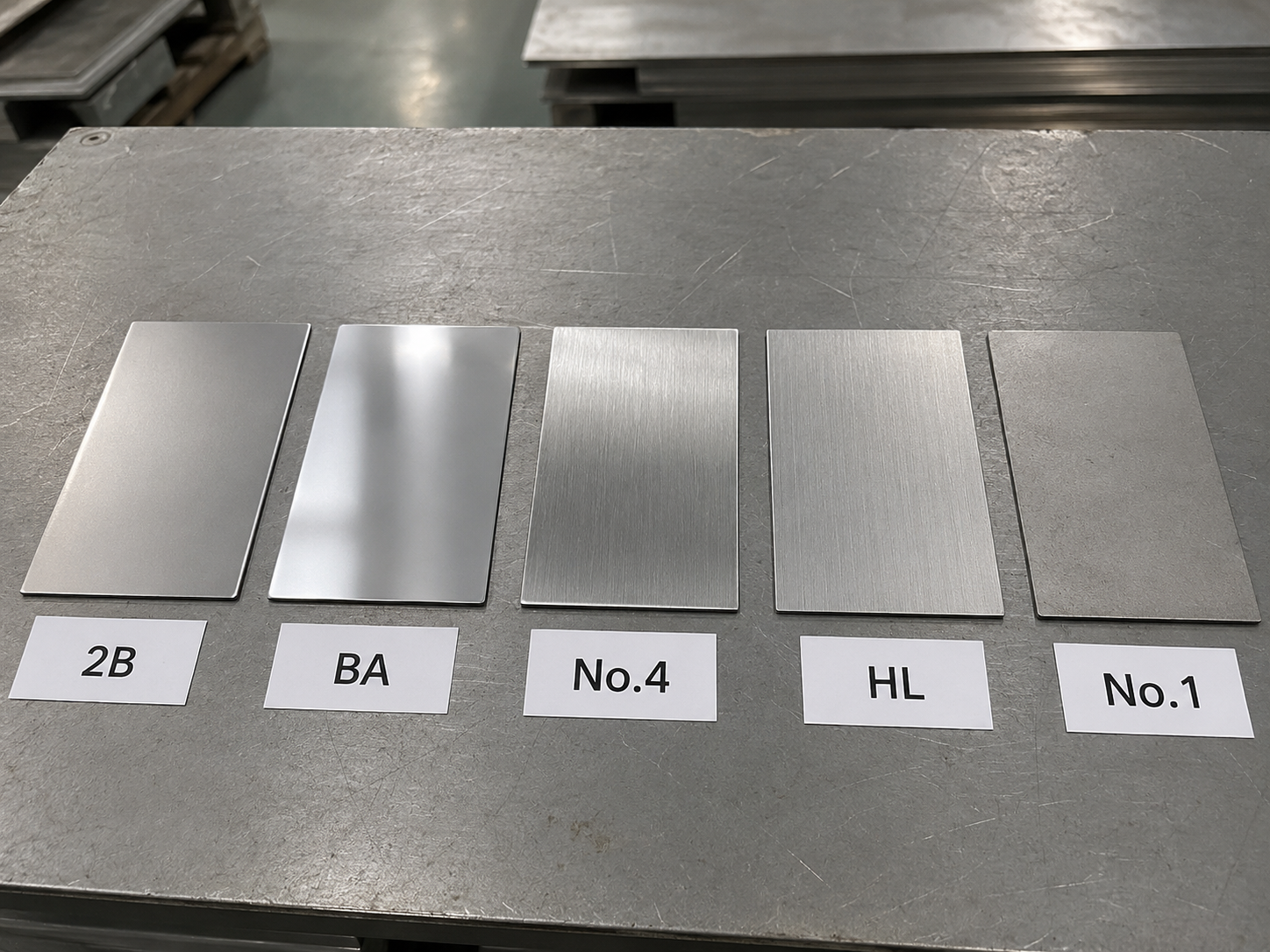
| បញ្ចប់ | រូបរាងផ្ទៃ | ការប្រើប្រាស់ទូទៅ | កំណត់ចំណាំសម្រាប់ការទិញ |
|---|---|---|---|
| 2B | រលោង និងឆ្លុះពន្លឺបន្តិច | សំភារៈឧស្សាហកម្ម សំភារៈបរិក្ខារបាយ និងម៉ាស៊ីនផលិតអាហារ | មានប្រយោជន៍សម្រាប់ការប្រើប្រាស់ទូទៅ និងការដំណាំបន្ថែម។ |
| BA | ភាពភ្លឺ និងឆ្លុះច្រើនជាង | ផ្ទៃតុបតែង ផ្នែកគ្រឿងបរិក្ខារ និងផ្នែកតុបតែងខាងក្នុង | សាក់ស្នាមងាយសង្កេតឃើញជាង ដូច្នេះការវេចខ្ចប់មានសារៈសំខាន់។ |
| NO.4 | ផ្ទៃមានគ្រាប់ស្បែកដែលបានប៉ះប៉ះ | ផ្ទៃបានតុបតែងជាន់ឡើង សំភារៈបរិក្ខារបាយ និងផ្ទៃជញ្ជាំង | បញ្ជាក់ទិសដៅនៃគ្រាប់ស្បែកមុនពេលផលិត។ |
| HL | គ្រាប់ស្បែកបន្តបន្ទាប់យូរ | ការតុបតែងផ្នែកខាងក្នុង ទ្វារអេឡេវេទ័រ និងការគ្របដណ្តប់ | ជាញឹកញាប់ប្រើសម្រាប់ផ្ទៃស្ថាបត្យដែលមើលឃើញ។ |
| NO.1 | ផ្ទៃដែលបានរីតក្តៅ បានធ្វើឱ្យទន់ និងបានសម្អាតដោយអាស៊ីត | ធុង ការផលិតធ្ងន់ៗ និងឧបករណ៍គីមី | ជាទូទៅជ្រើសរើសដោយផ្អែកលើមុខងារ ជាជាងរូបរាង។ |
ប្រសិនបើផ្ទៃសម្បុរគឺជាបញ្ហាសំខាន់ អ្នកទិញក៏អាចពិនិត្យមើលគោលការណ៍ណែនាំដែលទាក់ទងនេះផងដែរអំពី ផ្ទៃសម្បុរស្សេលអ៊ីណុក សម្រាប់ទទួលបានព័ត៌មានបន្ថែមមុនពេលបញ្ជាទិញ។
របៀបជ្រើសរើសសន្លឹកស្សេលអ៊ីណុកសម្រាប់ការប្រើប្រាស់របស់អ្នក
ការជ្រើសរើសសន្លឹកស្សេលអ៊ីណុកដែលមានប្រសិទ្ធភាពគួរចាប់ផ្តើមពីបរិស្ថានការងារ មិនមែនតែតម្លៃប៉ុណ្ណោះ។
ការផលិតទូទៅនៅក្នុងអគារ
សន្លឹកស្តៀលស្តែនលេខ 304 ដែលមានផ្ទៃបញ្ចប់ប្រភេទ 2B ជាញឹកញាប់សមស្របសម្រាប់ធ្វើគ្រឿងបិទ ផ្នែកម៉ាស៊ីន កាបីណេត និងឧបករណ៍សម្រាប់អាហារ។
តំបន់សមុទ្រ ឬតំបន់ឆ្ងាយពីឆ្នេរ
សន្លឹកស្តៀលស្តែនលេខ 316 ជាជម្រើសដែលមានសុវត្ថិភាពជាង 304 ដោយសារខ្យល់នៅតំបន់ឆ្ងាយពីឆ្នេរមានក្លូរីដ ដែលអាចបង្កើនហានិភ័យនៃការបង្កើតរន្ធតូចៗ។
ផ្ទៃគ្របតុសាក
អាចប្រើ 304, 430 ឬ 201 បាន អាស្រ័យលើបរិស្ថាន និងថវិកា។ ផ្ទៃបញ្ចប់ប្រភេទ No.4, HL, BA, ប្រវែង (mirror), និង PVD គឺជាទូទៅ។
ឧបករណ៍សម្រាប់អាហារ និងបាយ។
304 ត្រូវបានប្រើញឹកញាប់។ 316 អាចត្រូវបានពិចារណាប្រសិនបើផ្ទៃប៉ះនឹងអំបិល អាហារអាស៊ីត ឬគីមីសម្អាតដែលមានសារធាតុខ្លាំង។
ឧបករណ៍គីមី
ការជ្រើសរើសថ្នាក់គួរពិចារណាលើប្រភេទគីមី កម្រិតសារធាតុ សីតុណ្ហភាព សម្ពាធ វិធីសាស្ត្រសម្អាត និងរយៈពេលប្រើប្រាស់។
ការប្រើប្រាស់សម្រាប់ការងារដែលត្រូវការភាពរឹងមាំខ្ពស់
អាចពិចារណាប្រើស្តេរ៉េយស៍ឌុប្លេក (Duplex grades) នៅពេលដែលទាំងកម្លាំង និងភាពធន់នឹងការឆ្លាក់ (corrosion resistance) សុទ្ធតែសំខាន់។
ត្រូវពិនិត្យអ្វីខ្លះមុនពេលទិញសន្លឹកស្តែលអ៊ីណុក (Stainless Steel Sheet)
ការបញ្ជាក់ច្បាស់លាស់អំពីការទិញជួយកាត់បន្ថយការប្រើប្រាស់វត្ថុធាតុខុស ការយឺតយាញ និងជម្លោះ។
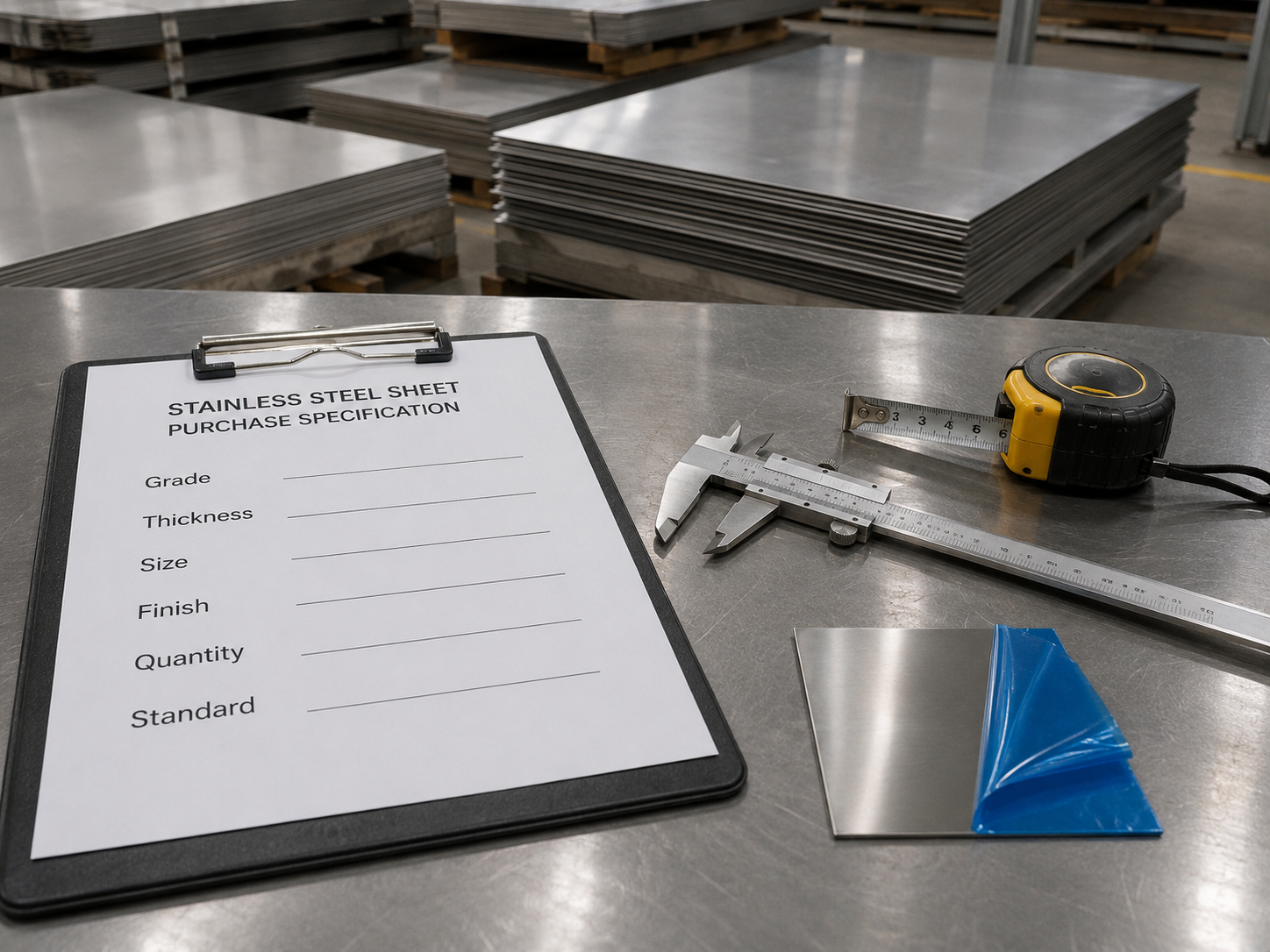
បញ្ជីត្រួតពិនិត្យសម្រាប់ការទិញសន្លឹកស្តែលអ៊ីណុក
សម្រាប់អ្នកទិញឧស្សាហកម្ម វិញ្ញាបនប័ត្រសាកល្បងសម្ភារៈគឺសំខាន់ណាស់។ វាជួយបញ្ជាក់អំពីសមាសភាពគីមី លក្ខណៈមេកានិក លេខកូដការកំដៅ និងការគោរពតាមស្តង់ដារ។
អ្នកទិញដែលប្រៀបធៀបសន្លឹកជាមួយផលិតផលផ្ទៃរាបស្មើដែលមានស្លាកស្តេលផ្សេងៗទៀត ក៏អាចពិនិត្យមើល ស្បែកជើងសម្លៀកបំពាក់ ជម្រើសនៅពេលដែលត្រូវការដំណាំបន្ត ការកាត់ជាបន្ទាត់ ឬ ផលិតកម្មបរិមាណច្រើន។
កំហុសទូទៅនៅពេលបញ្ជាទិញសន្លឹកស្តែលអ៊ីណុក
បញ្ហាជាច្រើនដែលកើតឡើងក្នុងការទិញមកពីការបញ្ជាក់លក្ខណៈបច្ចេកទេសមិនគ្រប់លក្ខណ៍។ កំហុសទាំងនេះគឺជាទូទៅនៅក្នុងការបញ្ជាទិញសន្លឹកស្តែលអ៊ីណុកនៅក្នុងបរទេស។
សុំតែ «សន្លឹក 304»
«សន្លឹក 304» មិនគ្រប់គ្រាន់ទេ។ អ្នកផ្គត់ផ្គង់នៅតែត្រូវការព័ត៌មានអំពីកម្រាស់ ទំហំ ផ្ទៃសំរេច ស្តង់ដារ បរិមាណ និងលម្អិតអំពីការវ៉ែក។
មិនយកចិត្តទុកដាក់លើបរិស្ថានធ្វើការ
304 ប្រហែលជាសមស្របសម្រាប់ប្រើក្នុងផ្ទះ ប៉ុន្តែវាអាចមិនគ្រប់គ្រាន់សម្រាប់ប្រើនៅតំបន់ឆ្ងាយពីសមុទ្រ ឬបរិស្ថានដែលមានគីមី។
ភាពច្របូកច្របល់រវាងសន្លឹក (Sheet) និងផ្ទៃរាបស្មើ (Plate)
អ្នកទិញខ្លះប្រើពាក្យ «សន្លឹក» និង «ផ្ទៃរាបស្មើ» ដូចគ្នា។ ត្រូវសរសេរកម្រាស់ជាក់លាក់ជានិច្ច ដើម្បីជៀសវាងការយល់ច្រឡំ។
ភ្លេចពីការការពារផ្ទៃ
សន្លឹកស្តែលអ៊ីណុកសម្រាប់តុបតែងអាចត្រូវបានគ្រាប់ ឬខូចនៅពេលកាត់ បត់ វ៉ែក ឬដឹកជញ្ជូន។
មិនបានបញ្ជាក់ថាបានបញ្ចប់គំរូ
លេខ ៤, HL, កញ្ចក់ និងសំណាញ់ពណ៌អាចខុសគ្នារវាងអ្នកផ្គត់ផ្គង់ និងចំនួនផលិតបាន។
មិនយកចិត្តទុកដាក់ទិសដៅនៃការផលិត
សម្រាប់សំណាញ់ប៉ះ ឬសំណាញ់បន្ទាត់ (hairline), ទិសដៅនៃសារធាតុមានសារៈសំខាន់នៅពេលដែលបន្ទះត្រូវបានដំឡើងជាមួយគ្នា។
ប្រសិនបើគម្រោងនេះក៏ត្រូវការផលិតផលវែងដែលសមស្រប ឬផលិតផលប៉ះ អ្នកទិញអាចប្រៀបធៀបសេចក្តីលម្អិតជាមួយ ស្បែកជើង និង ទ្រីមាត់ដែក ដើម្បីបង្កើតផែនការទិញវត្ថុធាតុបានពេញលេញជាងមុន។
សង្ខេប
សន្លឹកស្ពាន់អ៊ីណុកគឺជាផលិតផលផ្ទៃរាបស្មើដែលមានភាពច្រើនប្រភេទ ហើយត្រូវបានប្រើប្រាស់យ៉ាងទូទៅក្នុងគម្រោងឧស្សាហកម្ម និងពាណិជ្ជកម្មជាច្រើន។ ការជ្រើសរើសដែលត្រូវបានគេគិតថាសមស្របបំផុត អាស្រ័យលើថ្នាក់ កម្រាស់ ទំហំ សំណាញ់ ស្តង់ដារ និងបរិស្ថានប្រើប្រាស់។
សម្រាប់ការផលិតទូទៅនៅក្នុងអាគារ សន្លឹកស្ពាន់អ៊ីណុកថ្នាក់ ៣០៤ ជាជម្រើសដែលអាចប្រើបានជាទូទៅ។ សម្រាប់បរិស្ថានតំបន់ឆ្លងកាត់សមុទ្រ ឬបរិស្ថានដែលមានអ៊ីយ៉ូនក្លូរីតច្រើន ថ្នាក់ ៣១៦ អាចសមស្របជាង។ សម្រាប់ការប្រើប្រាស់សម្រាប់គោលបំណងសិល្បៈ សំណាញ់ផ្ទៃ និងស្រទាប់ការពារគឺមានសារៈសំខាន់ជាពិសេស។ សម្រាប់ការប្រើប្រាស់ក្នុងវិស័យគីមី ឬការប្រើប្រាស់ដែលត្រូវការភាពរឹងមាំខ្ពស់ ថ្នាក់ស្ពាន់អ៊ីណុកគួរតែត្រូវបានពិនិត្យឡើងវិញដោយប្រុងប្រយ័ត្ន ដែលផ្អែកលើលក្ខខណ្ឌការងារជាក់ស្តែង។
ការសួរច្បាស់លាស់គួរតែរួមបញ្ចូលថ្នាក់គុណភាព ទំហំ កម្រាស់ ផ្ទៃសម្បុរ បរិមាណ ស្តង់ដារ វិធីសាស្រ្តដឹកជញ្ជូន និងការប្រើប្រាស់។ នេះជួយកាត់បន្ថយហានិភ័យក្នុងការទិញ និងធ្វើឱ្យដំណាំការផ្តល់តម្លៃកាន់តែលឿន និងច្បាស់លាស់ជាងមុន។
ត្រូវការសន្លឹកស្តេលអ៊ីណុកស្តេលសម្រាប់គម្រោងឧស្សាហកម្ម?
Voyage Metal ផ្តល់សន្លឹកស្តេលអ៊ីណុកស្តេលសម្រាប់ការផលិត ការសាងសង់ ម៉ាស៊ីន ការតុបតែង និងការប្រើប្រាស់ដែលផ្អែកលើគម្រោង។ អ្នកទិញអាចផ្ញើថ្នាក់គុណភាព កម្រាស់ ផ្ទៃសម្បុរ ទំហំ បរិមាណ និងការប្រើប្រាស់ចុងក្រាយ ដើម្បីទទួលបានតម្លៃ និងការគាំទ្រក្នុងការជ្រើសរើសវត្ថុធាតុ។
ព័ត៌មានដែលមានប្រយោជន៍ដើម្បីរួមបញ្ចូលក្នុងការសួរ៖
- ថ្នាក់គុណភាព ដូចជា 304, 316, 430, 201 ឬ 2205
- កម្រាស់ និងទំហំសន្លឹក
- ផ្ទៃសម្បុរ និងតម្រូវការស្រទាប់ការពារ
- បរិមាណ ស្តង់ដារ និងឈ្មៅដឹកជញ្ជូនចុងក្រាយ
- ការប្រើប្រាស់ និងពេលវេលាដែលត្រូវការដើម្បីដឹកជញ្ជូន
មើលផលិតផលដែលទាក់ទង៖ សន្លឹក និងផ្ទៃរាបស្មើស្តេនលេសស្ថែល
សំណួរញឹកញាប់
សន្លឹកស្តេលអ៊ីណុកស្ទែលត្រូវបានប្រើសម្រាប់អ្វី?
សន្លឹកស្តេលអ៊ីណុកស្ទែលត្រូវបានប្រើសម្រាប់ឧបករណ៍បរិភោគអាហារ ម៉ាស៊ីនដែលប្រើក្នុងការផលិតអាហារ ធុង ផ្ទៃតំបន់សម្រាប់តុបតែង ផ្ទៃគ្របស្រទាប់ជញ្ជាំង គ្របស្រទាប់ម៉ាស៊ីន ផ្នែកយានយន្ត ឧបករណ៍គីមី និងការផលិតផ្នែកលោហៈទូទៅ។ ការប្រើប្រាស់ចុងក្រាយអាស្រ័យលើថ្នាក់ កម្រាស់ និងផ្ទៃសម្រាប់បញ្ចប់។
តើមានភាពខុសគ្នាអ្វីខ្លះរវាងសន្លឹកស្តេលអ៊ីណុកស្ទែល និងផ្ទៃស្តេលអ៊ីណុកស្ទែល?
សន្លឹកស្តេលអ៊ីណុកស្ទែលជាទូទៅសំដៅលើសន្លឹកស្តេលអ៊ីណុកស្ទែលរាបស្មើដែលមានកម្រាស់តិច ខណះដែលផ្ទៃស្តេលអ៊ីណុកស្ទែលជាទូទៅសំដៅលើសន្លឹកស្តេលអ៊ីណុកស្ទែលរាបស្មើដែលមានកម្រាស់ច្រើន។ បន្ទាត់បែងចែកច្បាស់លាស់អាចប្រែប្រួលទៅតាមទីផ្សារ និងស្តង់ដារ។ ដើម្បីជៀសវាងការភាន់ច្រឡំ អ្នកទិញគួរបញ្ជាក់ឱ្យបានច្បាស់ពីកម្រាស់ជាក់លាក់។
តើអ្នកទិញជ្រើសរើសកម្រាស់សន្លឹកស្តេលអ៊ីណុកស្ទែលយ៉ាងដូចម្តេច?
អ្នកទិញគួរជ្រើសរើសកម្រាស់ដែលផ្អែកលើស្ថេរភាព វិធីសាស្ត្រការបង្កើត ទម្ងន់ រូបរាង និងការប្រើប្រាស់ចុងក្រាយ។ សន្លឹកដែលមានកម្រាស់តិចសាកសមសម្រាប់ផ្ទៃសម្រាប់បើកបរ និងគ្របស្រទាប់ ខណះដែលសន្លឹកដែលមានកម្រាស់ច្រើនត្រូវបានប្រើសម្រាប់ធុង ផ្នែកម៉ាស៊ីន និងរចនាសម្ព័ន្ធដែលមានស្ថេរភាពខ្ពស់។
ថ្នាក់ស្តេនលេសស្សតីលដែលប្រើច្រើនជាងគេគឺអ្វី?
ស្តេនលេសស្សតីលថ្នាក់ 304 គឺជាថ្នាក់មួយក្នុងចំណោមថ្នាក់ដែលប្រើច្រើនជាងគេសម្រាប់ការប្រើប្រាស់ទូទៅ។ វាមានសមត្ថភាពឈរស្ថិតទៅនឹងការឆ្លងកាត់ សមត្ថភាពបង្កើតទម្រង់ និងសមត្ថភាពភ្ជាប់ដោយការផ្សារ។ ថ្នាក់ 316 ជាទូទៅត្រូវបានជ្រើសរើសសម្រាប់បរិស្ថានសមុទ្រ តំបន់ឆ្ងាយពីសមុទ្រ ឬបរិស្ថានគីមី។
ហេតុអ្វីបានជាស្តេនលេសស្សតីលថ្នាក់ 316 ថ្លៃជាងថ្នាក់ 304?
ស្តេនលេសស្សតីលថ្នាក់ 316 មានមូលីប្រ៉េណ៉ូម ដែលជួយបង្កើនសមត្ថភាពឈរស្ថិតទៅនឹងការឆ្លងកាត់ដែលបណ្តាលមកពីក្ល័រាយដ៍។ ការបន្ថែមធាតុផ្សំនេះជាទូទៅធ្វើឱ្យថ្នាក់ 316 ថ្លៃជាងថ្នាក់ 304។ វាជាការសមស្របក្នុងការពិចារណា នៅពេលដែលសម្ភារៈនឹងប្រឈមនឹងអំបិល ខ្យល់នៅតំបន់ឆ្ងាយពីសមុទ្រ ឬការប៉ះទង្គិចជាមួយសារធាតុគីមី។
ផ្ទៃសម្រាប់ស្តេនលេសស្សតីលដែលសមស្របគឺអ្វី?
ផ្ទៃ 2B គឺជាផ្ទៃដែលប្រើច្រើនសម្រាប់ការប្រើប្រាស់ឧស្សាហកម្មទូទៅ។ ផ្ទៃ No.4 និង HL គឺជាផ្ទៃដែលប្រើច្រើនសម្រាប់ផ្ទៃដែលមានលក្ខណៈស្អាត និងមើលឃើញ។ ផ្ទៃ BA និងផ្ទៃបញ្ចាំងត្រូវបានប្រើនៅពេលដែលត្រូវការផ្ទៃដែលភ្លឺជាង។ ផ្ទៃ No.1 គឺជាផ្ទៃដែលប្រើច្រើនសម្រាប់សម្ភារៈឧស្សាហកម្មដែលបានរីកចម្រើនតាមរយៈការរីកចម្រើនក្តៅ។
តើគួរបញ្ជាក់ស្តេនលេសស្សតីលដែលមានរាងស៊ីតដោយរបៀបណា នៅពេលសួរសំណួរ?
ការសាកសួរដែលច្បាស់លាស់គួរតែរួមបញ្ចូលថ្នាក់ ស្តង់ដារ កម្រាស់ ទំហំ ផ្ទៃសម្រេច បរិមាណ ស្ថានភាពជាប់គែម ការការពារផ្ទៃ ការវ៉ាយ តម្រូវការអំពីវិញ្ញាបនប័ត្រ និងការប្រើប្រាស់។ ឧទាហរណ៍៖ សន្លឹកស្តេលអ៊ីណុក 304 កម្រាស់ ១,៥ មម ទំហំ ១២១៩ × ២៤៣៨ មម ផ្ទៃសម្រេចប្រភេទ 2B មានស្រទាប់ប្លាស្ទិក PVC ស្តង់ដារ ASTM A240 បរិមាណ ៥ តោន។