
 EN
EN



Jinsi Tarifa za Marekani na Kanuni za Kupinga Uzalishaji wa Mabaya Zinavyobadilisha Uchaguzi wa Chuma cha Kifahari Mwaka 2026
Jinsi Tarifa za Marekani na Kanuni za Kupinga Uzalishaji wa Mabaya Zinavyobadilisha Uchaguzi wa Chuma cha Kifahari Mwaka 2026
Utekelezaji wa sheria za biashara za Marekani sasa unategemea kushindikizia kwa ufanisi wa watoa chuma cha kifahari kutoka nje katika Robo ya Pili ya mwaka 2026, Wizara ya Haki (DOJ) na CBP yanafanya ukaguzi wa wasta wa vyama vingi ili kupata zama zisizolipwa kwa kuchunguza maagizo kutoka miaka miwili iliyopita.
Kukosa kuthibitisha uzembe wa kutosha kupitia utambulisho sahihi wa mfumo wa HTS na uthibitisho wa asili ya mafuriko utasababisha adhabu za kisheria hadi kwa thamani ya ndani ya bidhaa na inaweza pia kusababisha uvumbuzi wa udhalimu wa kisheria.
Unatakiwa kuhakikisha ripoti za kujaribu ya digital ya Mill (MTRs) ambazo zinathibitisha asili ya kufuliwa na kupoura ili kuepuka tarifa za msingi za 50% na kupunguza uwezekano wa kutoa majukumu ya ukaguzi wa nyuma. Makala hii inaonyesha mchakato wa kisheria unaoleta mabadiliko haya na inatoa mbinu za kifani kwa kudumisha mpango wa usambazaji unaofaa kwa sheria.
Tarifa Mpya za Marekani na Vitendo vya Biashara katika 2026
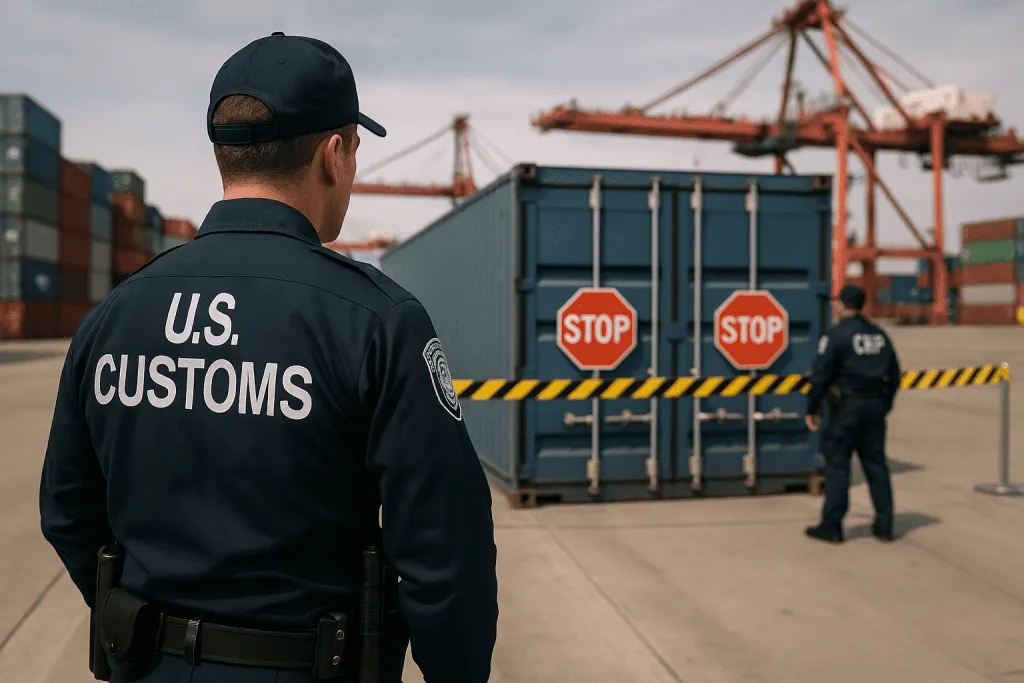
Robo ya kwanza ya 2026 iliona ubadilishaji kamili wa mfumo wa tarifa wa Marekani. Matangazo ya Rais yamebadilisha jinsi ya kuhesabu ada. Hii inaisha kwa kutosha tofauti kati ya vifaa vya msingi na sehemu zilizotengenezwa kwa madhumuni ya tarifa.
Tarifa za Sehemu 232 na Kuongeza Kufananisha
Kuanzia Aprili 6, 2026, serikali imebadilisha tarifa za Sehemu 232 ili kufananisha bidhaa zinazotokana zaidi. Ikiwa unahamisha vitu vinavyotokana kwa kiasi kikubwa na chuma, sasa unapata ada ya msingi ya 50% kwenye thamani kamili ya kiswahilini.
Badiliko muhimu zaidi hapa ni njia ya kuhesabu thamani. Awali, kodi ya tarif ya kufikia kwa muda mfupi inaweza kutumika tu kwa thamani ya chuma cha stainless kinachopo kwenye sehemu. Leo, kodi inatumika kwa thamani yote ya bidhaa iliyotoka nje. Hii inajumuisha malipo ya wafanyakazi, uchakataji, na gharama za uendeshaji.
Kwa mfano, unaweza kuagiza valvu ya viwanda yenye thamani ya $1,000 ambayo ina chuma cha stainless cha thamani ya $200. Kodi ya 25% sasa inakukosha $250. Kulingana na kanuni za zamani, kodi ya 50% kwa sehemu tu ya chuma cha stainless ingekukosha tu $100.
Unapaswa kutumia kodi za kufikia kwa muda mfupi zifuatazo unapofanya mchakato wa kuhesabu gharama zako za kufikia mwishoni mwa mpango kwa mwaka wa 2026:
|
Kategoria ya HTSUS |
Aina ya Kitu |
Kodi ya Sehemu 232 (2026) |
Njia ya Kuhesabu Thamani |
|
Sura 72 |
Chuma cha Stainless Cha Msingi |
50% |
Thamani Kamili ya Mzigo |
|
Sura ya 73 (iliyochaguliwa) |
Vifaa vya Chuma cha Kifahari |
50% |
Thamani Kamili ya Mzigo |
|
Miongozo ya I-B |
Bidhaa za Chuma zinazotumika kwa wingi |
25% |
Thamani Kamili ya Mzigo |
|
Miongozo ya III |
Mashine za Viwanda/Mto |
15% |
Muda wa Mfupi hadi 31/12/2027 |
|
imetengenezwa katika Marekani kwa asilimia 95+ |
Uchimbaji na Ukuza wa Marekani |
10% |
Kiwango cha chini kwa bidhaa za Marekani |
Sehemu ya 122: Mshuru wa Muda wa Uhamisho
Huyu mshuru utaisha tarehe 24 Julai 2026, isipokuwa Bunge litamfungua. Kanuni muhimu kwa timu yako ni kwamba mshuru huu wa asilimia 15 haupangani na ada za Sehemu ya 232.
Ikiwa sehemu yako tayari imepata ada ya Sehemu ya 232 ya asilimia 50, hujaaliki ada ya ziada ya asilimia 15. Hata hivyo, ikiwa kitu chako cha chuma cha kifahari kilikuwa kimeondolewa kutoka kwa ada za Sehemu ya 232, mshuru huu sasa unafanya kama msingi mpya wa bei yako.
Mipangilio ifuatayo inaonyesha jinsi unavyotumia kuingiza vitu kwa kuzingatia Sehemu ya 122:
|
Mipangilio ya Mshuru wa Sehemu ya 122 |
Maelezo (2026) |
|
Kiwango cha Kimsingi |
asilimia 15 kwa thamani |
|
Muda wa Kuendelea |
24 Februari 2026 – 24 Julai 2026 |
|
Taratibu ya Kupunguza Kupangwa |
Haielewi ikiwa kuna ushuru wa Sehemu ya 232 |
|
Uwezo wa Kurejesha Ushuru |
Kurejesha ushuru unawezekana kwa ushuru wa Sehemu ya 122 |
|
Kanuni ya Zoni ya Biashara ya Nje |
Lazima uingie kama "Hali ya Mzima ya Nje ya Mafanikio" (PF) |
Machakato ya Sehemu ya 301 na Utekelezaji wa Uwepo wa Uwezo Mwingi
Mwanzoni mwa Machi 2026, Mtendaji wa Biashara ya Marekani (USTR) alianza machakato mapya Ya Sehemu ya 301 yayotezwa kwenye uwepo wa uwezo mwingi duniani. Lengo ni kuzuia matendo ya nje ya soko ambayo yanasababisha kupungua bei duniani.
Lengo ni kuzuia mazoea ya soko ambayo huweka bei chini kimataifa. Unaweza kutarajia kutokea kwa tarifa za nchi maalum mpya mpaka mnamo mwisho wa 2026. Ikiwa unapata bidhaa kutoka kwenye Afrika ya Kusini-Mashariki au Ulaya, unapaswa kujiandaa kwa kujitokeza kwa kiwango cha zaidi cha ushuru kwenye faturi yako katika robo tatu ya mwaka huu.
Wasiliana Nasi kwa Tarifa Zilizosasishwa na Msimbo wa Usuluhisho
Ili kuwa na utii wa tarifa za hivi karibuni na kanuni za biashara, wasiliana na timu yetu kwa maelekezo ya kina juu ya kuvuka mabadiliko haya.
Tutumie barua pepeUtekelezaji wa Kanuni ya Kupinga Uuzaji Chini na Hatari ya Uingilio Mwaka 2026
Utekelezaji wa kanuni ya kupinga uuzaji chini (AD) na ushuru wa kushindana (CVD) sasa hakuna tena kuwa mchakato wa polepole au uliofanywa baada ya muda. Mwaka 2026, njia kuu ya utekelezaji ni mahitaji ya kufanya malipo ya pesa kwa wakati wa uingilio.
Mahitaji ya Kufanya Malipo ya Pesa
Unapokuwa unahamisha mafuta ya chuma cha kisasa kutoka nchi kama China, Indonesia, au Vietnam, sasa unatakiwa kulipa ada zinazotarajiwa mapema. Kielelezo hiki kimefikia kiwango cha rekodi. Kwa mfano, baadhi ya bidhaa za miundo kutoka Vietnam na China sasa zina marufuku ya kuchukua kwa njia ya uchunguzi ya kwanza karibu na 200%.
Ikiwa timu yako ya kununua haikupata muda wa kumalizia wa kuomba ukaguzi wa usimamizi, CBP itaandika ada hizo za juhudi za pesa kama ada ya mwisho. Hii inajumuisha mizani kama ile ya Aprili 30 kwa mafuta ya chuma cha kisasa kutoka China. Hii ina athari kubwa kwenye ras malalisho yako.
Unapaswa kufuatilia maelezo yafuatayo ya hali kwa oda zako zilizopatikana:
|
Hali ya Oda ya AD/CVD (Aprili 2026) |
Asili |
Hali / Kitendo Kinachohitajika |
|
Mafuta ya Chuma cha Kisasa na Mifupa |
Uchina |
Muda wa kumalizia wa Aprili 30 kwa ombi la ukaguzi wa usimamizi. |
|
Mifupa ya Chuma cha Kisasa Iliyoundwa kwa Kutumia Uchunguzi |
Vietnam |
Matokeo ya ukaguzi wa usimamizi wa 2023–2024 yamezuiwa. |
|
Chuma cha Kisasa Kilichopaswa Kwa Baridi (300/400) |
Indonesia |
Uchunguzi wa kuzidisha kwa vitu vilivyotengenezwa nchini Uchina unavyofanyika. |
|
Vikombe vya chuma cha kifahari vilivyochukuliwa |
Uchina |
Yanayostahili ukaguzi wa usimamizi; tarif ya CVD inachunguzwa. |
Mafundisho ya kuzuia uhamishaji wa bidhaa kupitia nchi mbalimbali na kubadilisha asili ya nchi
CBP sasa inazingatia kuzuia mazoea ya kubadilisha asili ya nchi, ambapo chuma huchakatwa katika nchi moja kisha hupelekwa Marekani kama bidhaa ya kilele cha nchi hiyo.
Watafiti wa serikali sasa watumia uthibitisho wa asili ya kuchakata chuma ili kugundua hii. Ikiwa chuma cha msingi kilichakatwa kwanza katika tishu ya Uchina, CBP itatumia tarif za kawaida za Uchina kote. Hii inatumika hata ikiwa uchakato wa mwisho umefanyika mahali pengine.
Sasa unahitajika kuandika msimbo wa nchi ya ISO ya asili ya kuchakata chuma kwa viwango vyote vya uimporti wa chuma.
Kubadilishwa kwenda kwa mahitaji ya kuchakata na kufurusha chuma nchini Amerika Kaskazini
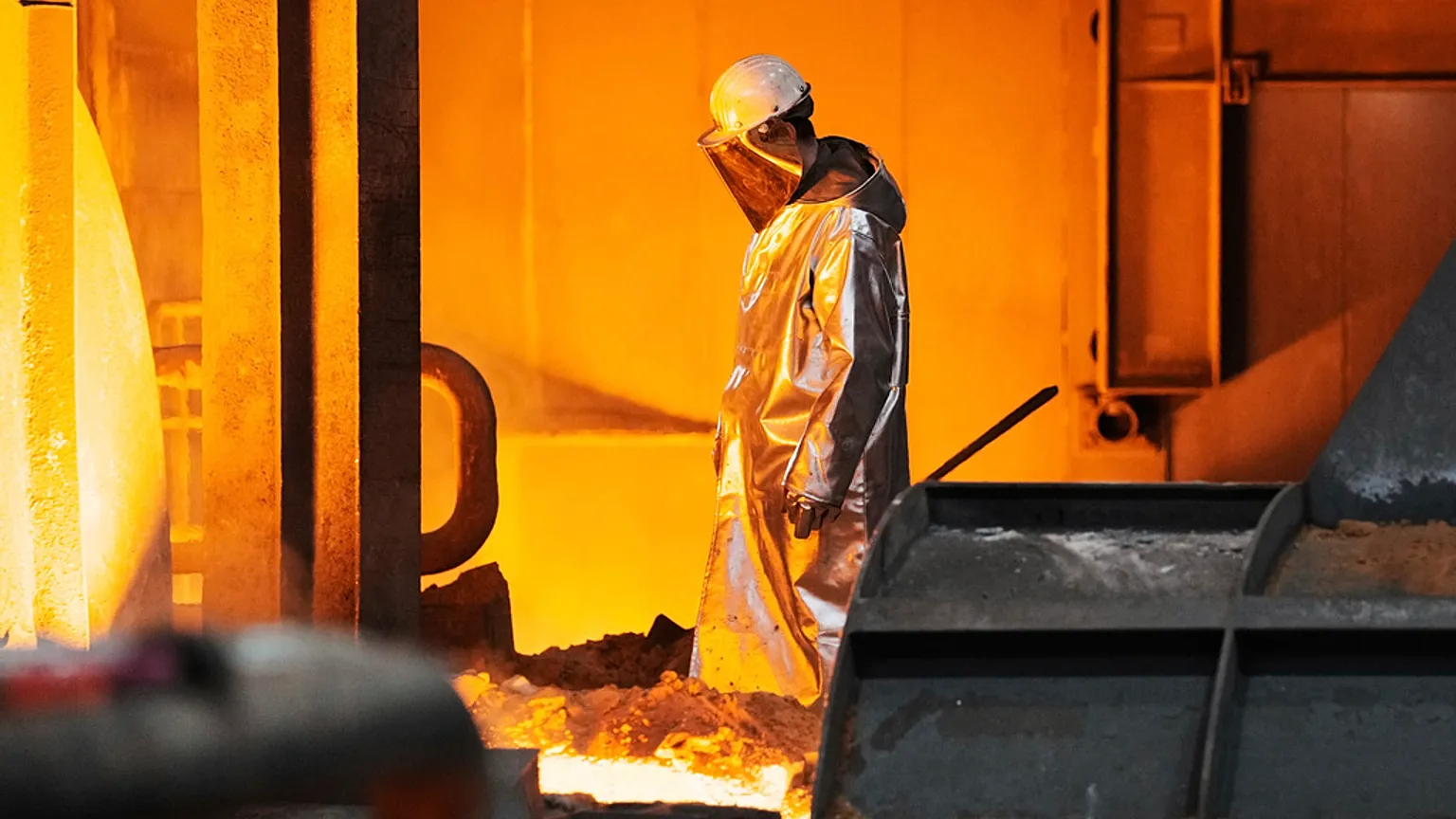
Ili kuwa mwenye utii mwaka wa 2026, unahitajika kuthibitisha asili ya kuchakata na kufurusha. Hii inamaanisha mahali ambapo chuma cha msingi kilichoprodukwa kwanza katika hali ya likizo katika tishu na kisha kufurushwa kwa umbo la kwanza la kisolidi. Hii inajumuisha slabs, billets, au ingots.
Ikiwa unahamisha staleni chini ya Sura 72 ya HTSUS au kichwa cha 7301 hadi 7307, unapaswa kutumia msimbo wa nchi ya ISO kwa eneo la kuungua kwenye kuingiza kwa ACE yako. Ikiwa hujui asili, sehemu zako zitawezekana kupigwa kodi ya kawaida ya juu zaidi. Hizi mara nyingi ni 50%.
MTR zako sasa zinapaswa kukidhi viwango vya ripoti vifuatavyo ili kushinda ukaguzi wa 2026:
|
Kiparameta cha Uthibitisho cha MTR |
Mahitaji ya 2026 |
Jedwali / Mfumo |
|
Eneo la Kofia |
Lazima liainishe mji/nchi ambapo staleni ya kwanza ilikuungwa. |
Hati ya Jaribio ya Kufanya (MTR) |
|
Msingi wa ISO wa Nchi |
Ni lazima kwa maingizo yote ya Sura 72/73. |
ACE CATAIR 54-record |
|
Kiwango cha Usajili |
EN 10204 3.1 au 3.2 mara nyingi inahitajika kwa ukaguzi wa hatari kubwa. |
EN 10204 |
|
Arkiva ya Wasifu |
Lazima iwasilishwe kupitia Mfumo wa Picha za Wasifu (DIS). |
ACE / DIS |
Timu za uhandisi zinapaswa pia kuhakikisha kwamba Msingi wa 2025 wa ASME wa Kifaa cha Kupaka na Chombo cha Kupakana (BPVC) unahitaji utambulisho wa vitu vya kujenga kwa undani zaidi. Hii ilikuwa ya lazima tangu Januari 1, 2026. Sasa hauwezi tena kufikia tu vipengele vya kimapambo vya ASTM A240. Unapaswa pia kuonyesha asili ambayo inafanana na mafundisho mapya ya serikali na ya ASME haya.
Jinsi ya Kuchanganya Damu ya Chuma cha Kupoteza Kutokana na Mwaka 2026
Ushuru mkubwa umelazimisha soko kuacha kununua kwa bei ya kwanza na kuelekea kwenye mfumo wa "hatari". Watengenezaji wakubwa wanahama kutoka soko la kimataifa. Mahitaji ya amana ya pesa taslimu ni ghali sana kuyasimamia.
Zaidi ya makampuni yote yanashirikisha watoa huduma wao karibu na vifurnishi vya Amerika Kaskazini kama vile Nucor au Cleveland-Cliffs. Ingawa usambazaji wa ndani ni salama zaidi kwa kufuata sheria, umekuwa na uhamisho wa matumizi ya vifurnishi hadi karibu 80%. Hii inafanya upatikanaji kuwa dhaifu.
Unataruhusu kusubiri muda wa kuelekea kwa mpango wako wa 2026:
|
Fomu ya Chuma cha Kifahari |
Muda wa Kuelekea (Tathmini ya 2026) |
Hali ya Soko |
|
Karatasi ya Kawaida ya 304/316 |
4–8 wiki |
Imarahi (ndani ya nchi) |
|
Viyenye Uzito/Vya Joto Kikubwa |
12–16 wiki |
Imarahi / Uwezekano wa kuzingatia kwa uangalizi. |
|
Kukandamiza Kwa Umbo la Hali ya Baridi (chini ya 0.4mm) |
8–10 wiki |
Inayozuilishwa na teknolojia. |
|
Vifaa vya kujaza visivyokuwa katika stock. |
812 wiki |
Ukubwa wa kuchaguliwa kwa uangalifu. |
Uathiri wa Sera ya Biashara kwenye Maamuzi ya Uzalishaji
Maamuzi yako ya uhandisi sasa yameunganishwa moja kwa moja na sera ya biashara. Seksheni ya 232 inaongeza ada ya 50% juu ya ubaguzi wa bei ya nikeli. "Ada ya nikeli" hii imefanya steynlesu stili ya safu ya 300 kuwa ghali zaidi sana.
Badiliko la daraja: kutoka 304 hadi 430
Wahandisi wengi wanabadilisha kutoka Daraja la 304 (austenitic) hadi daraja la 430 (ferritic). Daraja la 430 lina nikeli kidogo sana. Hili linakulinda dhidi ya ada zinazohusiana na nikeli.
Hata hivyo, unahitaji kuchukua katika mkondo tofauti za kimwili. Safu ya 430 ni magnetiki na ina uwezo wa kuvimba (ductility) kuhusu nusu ya ya safu ya 304. Ikiwa sehemu yako inahitaji kuvimba kina au kuchapishwa kwa njia ya kipekee, ubadilishaji wa safu ya 430 unaweza kuviwaka mahali ambapo safu ya 304 ingevimba.
Kwa upande mwenye faida, 430 ina uwezo bora zaidi wa kusambaza joto. Hii inamfanya kuwa chaguo bora kwa vifaa vya kusambaza joto ikiwa mazingira ya ukatilifu yanaruhusu.
Data ifuatayo inaonyesha mizozo ya kihisani ambayo unahitaji kuyathibitisha:
|
Sifa |
Safu ya 304 (Austenitic) |
Safu ya 430 (Ferritic) |
Matokeo ya Kiteknolojia |
|
Unguvu ya kuzimia (chini ya chini) |
30 ksi |
30 ksi |
Inafanana kwa mzigo wa miundo. |
|
Uzito wa Kuvuta (chini kabisa) |
75 ksi |
65 ksi |
304 ina nguvu zaidi chini ya nguvu kubwa. |
|
Upanuzi (min) |
40% |
20–22% |
304 ina utaratibu bora zaidi kwa kuvimba kina. |
|
Ukuaji wa ukuaji |
Haijafanyiwa ukuaji |
Inavutia kuvutu |
430 inafaa kwa vyombo vya kupikia vinavyotumia ukuaji. |
|
Conductivity ya joto |
Chini |
Juu sana |
430 ni bora zaidi kwa mabadilisho ya joto. |
Jinsi ya Kuchagua Mwuzaji wa Chuma cha Maji Chafu Uliofuata Sheria Katika 2026
Mshirika wa utengenezaji wa kifani lazima afanye zaidi ya kutekeleza amari. Katika hali ya sasa ya sheria, mwuzaji wako lazima aache kama msimamizi wa utatuzi wa kufuata sheria. Ili kuthibitisha uwezo wa watoa huduma wako katika 2026, unapaswa kuthibitisha uwezo wafuatao:
-
1) Thibitisha asili ya kuungana: Mwuzaji wako lazima atupatie vitabu vya kurekodi (MTRs) vya kufuatilia ambavyo vinathibitisha mahali pa kuvunja chuma katika viungo vya ndani au vya UK/EU vilivyoidhinishwa.
-
2) Madokumenti ya kidijitali: Madokumenti yote lazima yawe tayari kwa DIS. Madokumenti ya karatasi au hayasiyo za kufuatilia hujaribu moja kwa moja katika ukaguzi.
-
3) Ujuzi wa ada: Wapangilio wanapaswa kurekodi kwa kawaida chini ya HTSUS 9903.82 na kugundua hatari za ukaguzi usio sahihi kabla ya kuingiza kwenye mfumo.
-
4) Hifadhi ya Hifadhi ya Kukidhi Sheria: Hifadhi inapaswa kuwa katika eneo la biashara ya kimataifa linalofuata sheria (FTZs) yenye hali ya kimataifa ya kuburudishwa (PF) ili kudhibiti mchakato wa ada.
Voyage Steel inatoa miundombinu ya teknolojia na ujuzi wa biashara unachohitajika kufanya kazi kwenye hatua hizi za kutekeleza sheria. Tunatoa ukaguzi kamili wa mnyororo wa usambazaji na mfumo wa kuhesabu gharama ya jumla ya kufikia (TLC) ambao unajumuisha wazi kwa kiasi cha sehemu ya 232 na sehemu ya 122 kwa kila nambari ya sehemu.
Wasiliana Nasi Leo kupata mnyororo wa usambazaji wa chuma cha stainless unaofuata sheria na unaolindwa dhidi ya hatari kwa mwaka wa 2026.
Hitimisho
Mwaka wa Kutekeleza Sheria umekwisha wakati wa utafiti wa bei rahisi tu. Mwaka wa 2026, lengo lako la msingi ni kulinda dhidi ya uwezekano wa kujibikana kwa ukaguzi uliofanywa nyuma. Kwa kumfanya mchango wa kuchimbwa na kuchanganywa Amerika Kaskazini kuwa muhimu zaidi na kudumisha rekodi nzuri sana, unaweza kujenga mnyororo wa usambazaji unaoendelea kuvumilia mazingira ya biashara yenye shida ya mwaka wa 2026.
Maswali Yanayoulizwa Mara kwa Mara
1. Tarifa za Sehemu ya 232 ni nini?
Tarifa za Sehemu ya 232 zinatumika kwa bidhaa za chuma na aluminium zinazosukuma Marekani na zimeundwa ili kulinda viwanda vya ndani.
2. Mahitaji ya Malipo ya Fedha ni nini?
Mahitaji ya kufanya malipo ya pesa ya moja kwa moja yanahusisha kulipa ada zinazotolewa mapema kwenye bidhaa maalum za chuma, hasa zile zinazotoka nchini kama China na Vietnam ambazo zina mizani kubwa ya kushambulia soko.
3.Jinsi gani nitakayonavigati ada mpya?
Ili kuudhibiti gharama yako ya kufikia nchi, hakikisha uainishaji wa sahihi, uhakiki wa asili ya kuvutwa, na uelewa wa njia kamili ya kuthibitisha thamani ya vitu vilivyopakuliwa.