
 EN
EN




স্টেইনলেস স্টিল পৃষ্ঠ ফিনিশ গাইড: প্রকারগুলি, আরএ মান এবং কীভাবে নির্বাচন করবেন
স্টেইনলেস স্টিল পৃষ্ঠ সমাপ্তি গাইড: ২বি, বিএ, নং.৪, এইচএল এবং দর্পণ
স্টেইনলেস স্টিলের পৃষ্ঠ সমাপ্তি ক্ষয় প্রতিরোধের ক্ষমতা, পরিষ্কার করা যাওয়ার সুবিধা, চেহারা এবং প্রয়োগের সাথে সামঞ্জস্যতা নির্ধারণ করে। এই গাইডে ২বি, বিএ, নং.৪, এইচএল এবং দর্পণ সমাপ্তি সহ সাধারণ সমাপ্তি প্রকারগুলির ব্যাখ্যা দেওয়া হয়েছে, পাশাপাশি স্টেইনলেস স্টিল শীট, প্লেট এবং কয়েলের জন্য সাধারণ আরএ (Ra) মান এবং নির্বাচন সুপারিশ অন্তর্ভুক্ত রয়েছে।
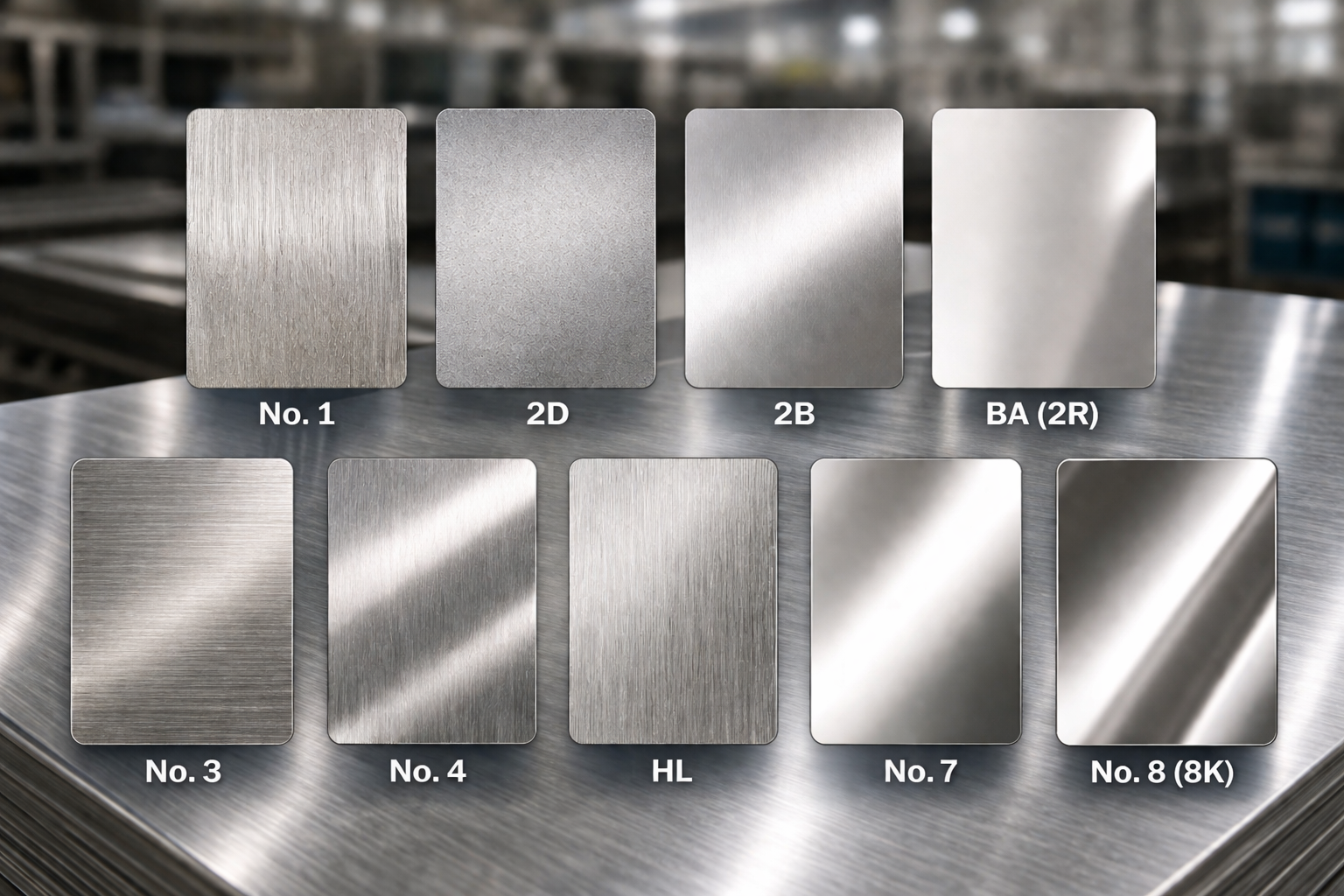
গুরুত্বপূর্ণ বিষয়: ভুল স্টেইনলেস স্টিল পৃষ্ঠ সমাপ্তি নির্বাচন করলে প্রাথমিক ক্ষয়, স্বাস্থ্য বিধিমালা লঙ্ঘন, খারাপ চেহারা বা অপ্রয়োজনীয় পলিশিং খরচের মতো সমস্যা দেখা দিতে পারে।
স্টেইনলেস স্টিলের পৃষ্ঠ সমাপ্তি ক্ষয় প্রতিরোধের ক্ষমতা, পরিষ্কার করা যাওয়ার সুবিধা এবং উপাদানটি যে প্রয়োগের জন্য নির্ধারিত হয়েছে তার প্রয়োজনীয়তা পূরণ করে কিনা তা নির্ধারণ করে। উদাহরণস্বরূপ, একটি ২b ফিনিশ স্টেনলেস স্টিল সাধারণ শিল্প প্রক্রিয়াকরণ সরঞ্জামের জন্য গ্রহণযোগ্য পৃষ্ঠটি অবশ্যই সমস্ত খাদ্য-মানের স্বাস্থ্য প্রয়োজনীয়তা পূরণ করবে না। একইভাবে, স্থাপত্য আবরণের জন্য উপযুক্ত নম্বর ৪ ফিনিশ স্টেইনলেস স্টিল পৃষ্ঠটি কিছু ফার্মাসিউটিক্যাল যোগাযোগ পৃষ্ঠের জন্য এখনও অত্যধিক খাঁজযুক্ত হতে পারে।
সঠিক ফিনিশ নির্বাচন করতে হলে প্রতিটি ডিজিগনেশনের অর্থ, এটি যে Ra মান উৎপন্ন করে এবং আপনার অ্যাপ্লিকেশনটি আসলে কী চায়—এই তিনটি বিষয় বোঝা আবশ্যক। এই গাইডে স্টেইনলেস স্টিলের প্রধান পৃষ্ঠ ফিনিশের প্রকারগুলি, তাদের Ra মান এবং আপনার অ্যাপ্লিকেশনের জন্য সঠিক ফিনিশ কীভাবে নির্বাচন করবেন—সেই সম্পর্কে ব্যাখ্যা করা হয়েছে।
স্টেইনলেস স্টিলের পৃষ্ঠ ফিনিশ ডিজিগনেশনগুলির অর্থ কী?
স্টেইনলেস স্টিল পৃষ্ঠ ফিনিশ নির্দেশকগুলি, যেমন ২বি, নম্বর ৪, বিএ এবং নম্বর ১, এএসটিএম এ৪৮০ এর মতো সাধারণ শিল্প মানদণ্ড অনুসরণ করে। এই নির্দেশকগুলি নির্দেশ করে যে উপাদানটি কীভাবে প্রক্রিয়াজাত করা হয়েছিল এবং ফলস্বরূপ পৃষ্ঠের বৈশিষ্ট্যগুলি কী কী। ব্যবহারে, স্টেইনলেস স্টিল ফিনিশগুলি দুটি প্রধান গ্রুপে বিভক্ত:
মিল ফিনিশ
এতে No.1, 2D, 2B এবং BA অন্তর্ভুক্ত। এই ফিনিশগুলি স্টিল মিলে রোলিং, অ্যানিলিং এবং পিকলিংয়ের সময় উৎপাদিত হয়।
যান্ত্রিক সমাপ্তি
এতে No.3, No.4, HL, No.7 এবং No.8 অন্তর্ভুক্ত। এগুলি পরবর্তী সময়ে গ্রাইন্ডিং, পলিশিং এবং বাফিং অপারেশনের মাধ্যমে উৎপাদিত হয়।
ফিনিশ ডিজিগনেশনের পাশাপাশি যে প্রধান পরিমাণগত প্যারামিটার ব্যবহৃত হয়, তা হল আরএ, অথবা পৃষ্ঠ খাদ মাইক্রোমিটার (µm) এ পরিমাপ করা হয়। Ra পৃষ্ঠের শীর্ষবিন্দু ও উপত্যকার মধ্যে গড় বিচ্যুতি বর্ণনা করে এবং প্রকৌশল, স্বাস্থ্যবিধি এবং ক্ষয়রোধ-সংবেদনশীল অ্যাপ্লিকেশনের জন্য স্টেইনলেস স্টিল নির্দিষ্ট করার সময় এটি অত্যন্ত গুরুত্বপূর্ণ।
স্টেইনলেস স্টিল পৃষ্ঠ ফিনিশ প্রকার এবং Ra মান
নিচের টেবিলটি সবচেয়ে সাধারণ ফিনিশ প্রকারগুলি, সাধারণ খারাপ মান, উৎপাদন পদ্ধতি, সাধারণ গ্রেড এবং প্রয়োগ ক্ষেত্রগুলির সারাংশ দেয়।
| সমাপ্তি | শ্রেণি | প্রক্রিয়া | Ra (µm) | সাধারণ গ্রেড | প্রয়োগ |
|---|---|---|---|---|---|
| নম্বর-১ | চালা | হট রোলড, অ্যানিলড, ডিস্কেলড | 2.0–8.0 | ৩০৪, ৩০৯, ৩১০, ৩২১ | গঠনমূলক, তাপ-প্রতিরোধী সরঞ্জাম, ভাটা অংশ |
| ২ডি | চালা | কোল্ড রোলড, অ্যানিলড, পিকলড | 0.2–1.0 | 304, 316, 430 | শিল্প পাইপিং, সরঞ্জাম, ট্যাঙ্ক |
| ২বি | চালা | কোল্ড রোলড, অ্যানিলড, পিকলড, স্কিন-পাসড | 0.1–0.5 | ২০১, ৩০৪, ৩০৪এল, ৩১৬, ৩১৬এল, ৪৩০ | সাধারণ শিল্প, রাসায়নিক সরঞ্জাম, খাদ্য উপাদান |
| BA (2R) | চালা | জ্বলজ্বলে তাপন | 0.03–0.1 | ২০১, ৩০৪, ৩০৪এল, ৪৩০ | সজ্জামূলক প্যানেল, যন্ত্রপাতি, ট্রিম |
| নং ৩ | যান্ত্রিক | ৮০–১০০ গ্রিট পলিশিং | 0.6–1.5 | 304, 316 | খাদ্য সরঞ্জাম, আংশিকভাবে পলিশ করা ভিত্তি |
| নং ৪ | যান্ত্রিক | ১২০–১৮০ গ্রিট পলিশিং | 0.2–0.8 | ৩০৪, ৩০৪এল, ৩১৬, ৩১৬এল, ৪৩০ | রান্নাঘরের সরঞ্জাম, খাদ্য সংস্পর্শের পৃষ্ঠ, স্থাপত্য |
| এইচএল | যান্ত্রিক | অবিচ্ছিন্ন শস্য ফিনিশ | 0.1–0.5 | 304, 316, 430 | সজ্জামূলক প্যানেল, লিফট, ক্ল্যাডিং |
| নং.৭ | যান্ত্রিক | সূক্ষ্ম বাফিং | 0.1–0.2 | 304, 316 | প্রতিফলিত পৃষ্ঠ, সজ্জামূলক প্রয়োগ |
| NO.8 | যান্ত্রিক | মিরর পোলিশিং | 0.02–0.1 | ৩০৪, ৩০৪এল, ৩১৬, ৩১৬এল, ২২০৫ | দর্পণ, ঔষধি, উচ্চ-স্বাস্থ্যসম্মত ব্যবহার |
দ্য ২বি স্টেইনলেস স্টিল পৃষ্ঠ ফিনিশ এটি মানক মিল ফিনিশ এবং সাধারণত নম্বর ৪, নম্বর ৭ এবং নম্বর ৮ ফিনিশে পরবর্তী পলিশ করার জন্য বেস উপাদান হিসাবে ব্যবহৃত হয়।
সঠিক স্টেইনলেস স্টিল ফিনিশ নির্বাচনে সাহায্য প্রয়োজন?
ভয়েজ মেটাল আপনার অ্যাপ্লিকেশন, স্বাস্থ্য প্রয়োজনীয়তা, চেহারা প্রয়োজনীয়তা এবং বাজেটের ভিত্তিতে সঠিক ফিনিশ, গ্রেড এবং প্রক্রিয়াকরণ পথ সুপারিশ করতে পারে।
উদ্ধৃতির জন্য আবেদন২বি বনাম নং ৪ বনাম বিএ স্টেইনলেস স্টিল ফিনিশ
সবচেয়ে সাধারণভাবে নির্দিষ্ট করা হয় এমন স্টেইনলেস স্টিলের ফিনিশগুলি হল 2B, No.4 এবং BA। প্রতিটি ফিনিশ খরচ, চেহারা, পরিষ্কার করার সুবিধা এবং কার্যকারিতা—এই বিষয়গুলির উপর ভিত্তি করে ভিন্ন ভিন্ন উদ্দেশ্য পূরণ করে।
| সমাপ্তি | চেহারা | খরচের স্তর | সাধারণ ব্যবহার |
|---|---|---|---|
| ২বি | মসৃণ, সামান্য প্রতিফলিত | কম | শিল্প ও প্রক্রিয়াকরণ সরঞ্জাম |
| নং ৪ | ব্রাশ করা | মাঝারি | খাদ্য সরঞ্জাম, রান্নাঘরের সরঞ্জাম, স্থাপত্য |
| বিএ | উজ্জ্বল এবং প্রতিফলক | উচ্চতর | সজাবহুল প্যানেল, যন্ত্রপাতি এবং সূক্ষ্ম ব্যবহার |
পৃষ্ঠের ফিনিশ কেন ক্ষয় প্রতিরোধের ক্ষমতাকে প্রভাবিত করে
পৃষ্ঠের ফিনিশ শুধুমাত্র দৃশ্যমান চেহারাকেই প্রভাবিত করে না, বরং স্টেইনলেস স্টিলের ক্ষয় প্রতিরোধের ক্ষমতাতেও সরাসরি ভূমিকা পালন করে। ক্ষয় প্রতিরোধের ক্ষমতা পৃষ্ঠে গঠিত ক্রোমিয়াম অক্সাইডের একটি স্থিতিশীল নিষ্ক্রিয় স্তরের উপর নির্ভর করে।
খারাপ গুণের পৃষ্ঠতলে অণুবীক্ষণিক ফাটল ও পৃষ্ঠ ত্রুটি থাকে, যেখানে ক্লোরাইড আয়ন, ধূলিকণা এবং পরিষ্কারকের অবশিষ্টাংশ জমা হতে পারে, ফলে গর্তযুক্ত ক্ষয় (pitting corrosion) হওয়ার ঝুঁকি বৃদ্ধি পায়। অপরদিকে, নিম্ন Ra মানযুক্ত মসৃণ পৃষ্ঠতলে আক্রমণের জন্য কম সংখ্যক স্থান থাকে এবং প্যাসিভ স্তরের স্থিতিশীলতা উন্নত হয়।
- নিম্ন Ra মান দূষণ ধরে রাখার হার কমাতে সাহায্য করে।
- মসৃণ পৃষ্ঠতল পরিষ্কার করা সহজ।
- উন্নত ফিনিশ প্রায়শই চাপসৃষ্টিকারী পরিবেশে উন্নত ক্ষয় প্রতিরোধ ক্ষমতা প্রদান করে।
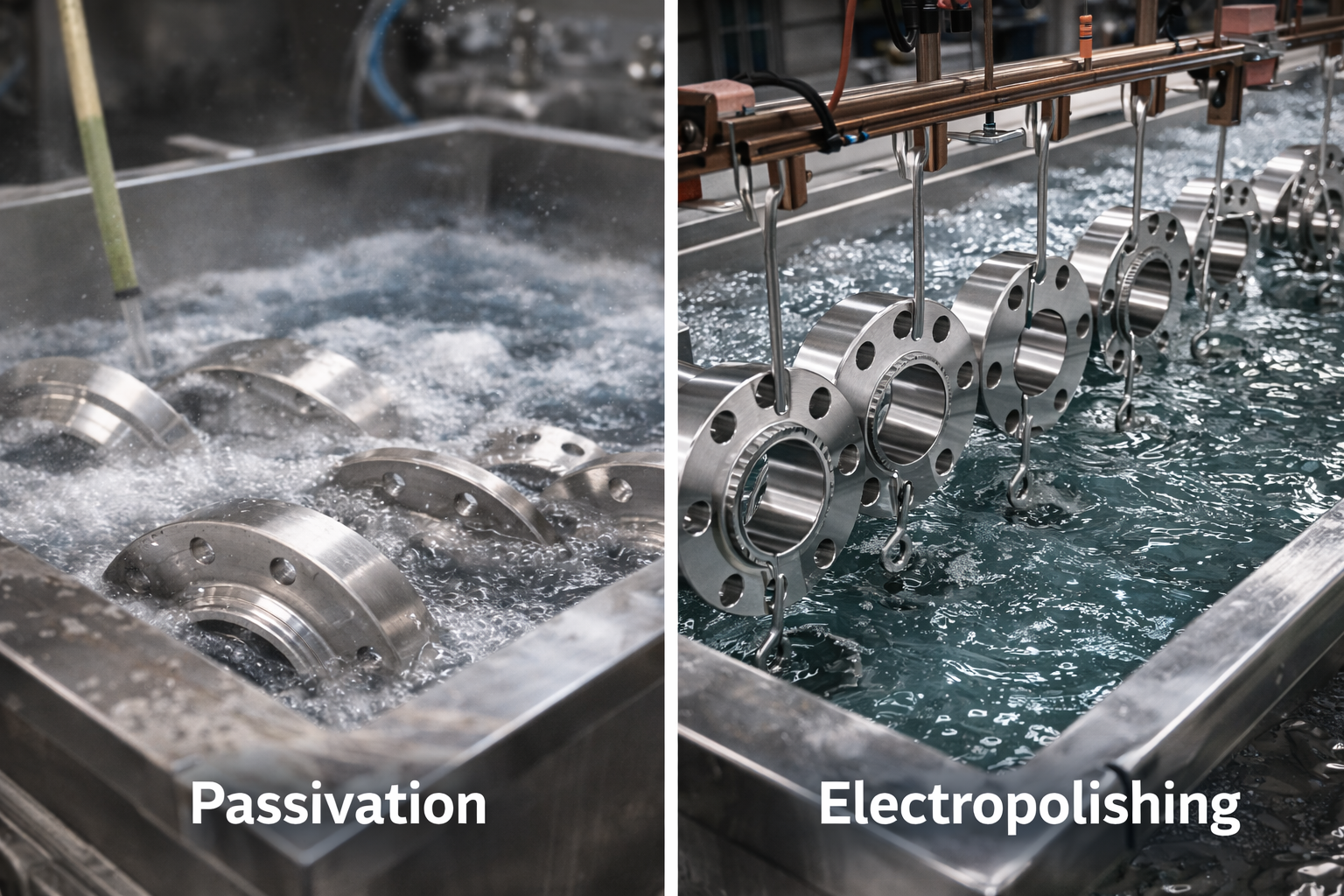
প্যাসিভেশন বনাম ইলেকট্রোপলিশিং
নিষ্ক্রিয়তা
একটি রাসায়নিক চিকিত্সা যা মুক্ত লোহা এবং পৃষ্ঠের দূষণকারী পদার্থগুলি অপসারণ করে, যার ফলে Ra-এর উল্লেখযোগ্য পরিবর্তন না করেই নিষ্ক্রিয় স্তরটি পুনরুদ্ধার করা হয়।
ইলেকট্রোপলিশিং
একটি ইলেকট্রোকেমিক্যাল প্রক্রিয়া যা একটি পাতলা ধাতব স্তর অপসারণ করে, যার ফলে Ra কমে যায় এবং একটি মসৃণতর, উজ্জ্বলতর ও অধিক স্বাস্থ্যসম্মত পৃষ্ঠ তৈরি হয়।
সাধারণভাবে, প্যাসিভেশন তখন উপযুক্ত হয় যখন বিদ্যমান ফিনিশটি ইতিমধ্যে নির্দিষ্টকরণ পূরণ করে এবং কেবলমাত্র নির্মাণের পরে ক্ষয় প্রতিরোধের ক্ষমতা পুনরুদ্ধার করা প্রয়োজন। যখন নিম্ন ক্ষয় পৃষ্ঠ (roughness), উন্নত পরিষ্কার করা যাওয়ার সক্ষমতা বা উজ্জ্বলতর ফিনিশ প্রয়োজন হয়, তখন ইলেকট্রোপলিশিং-কে পছন্দ করা হয়।
উপযুক্ত স্টেইনলেস স্টিল পৃষ্ঠ ফিনিশ নির্বাচন
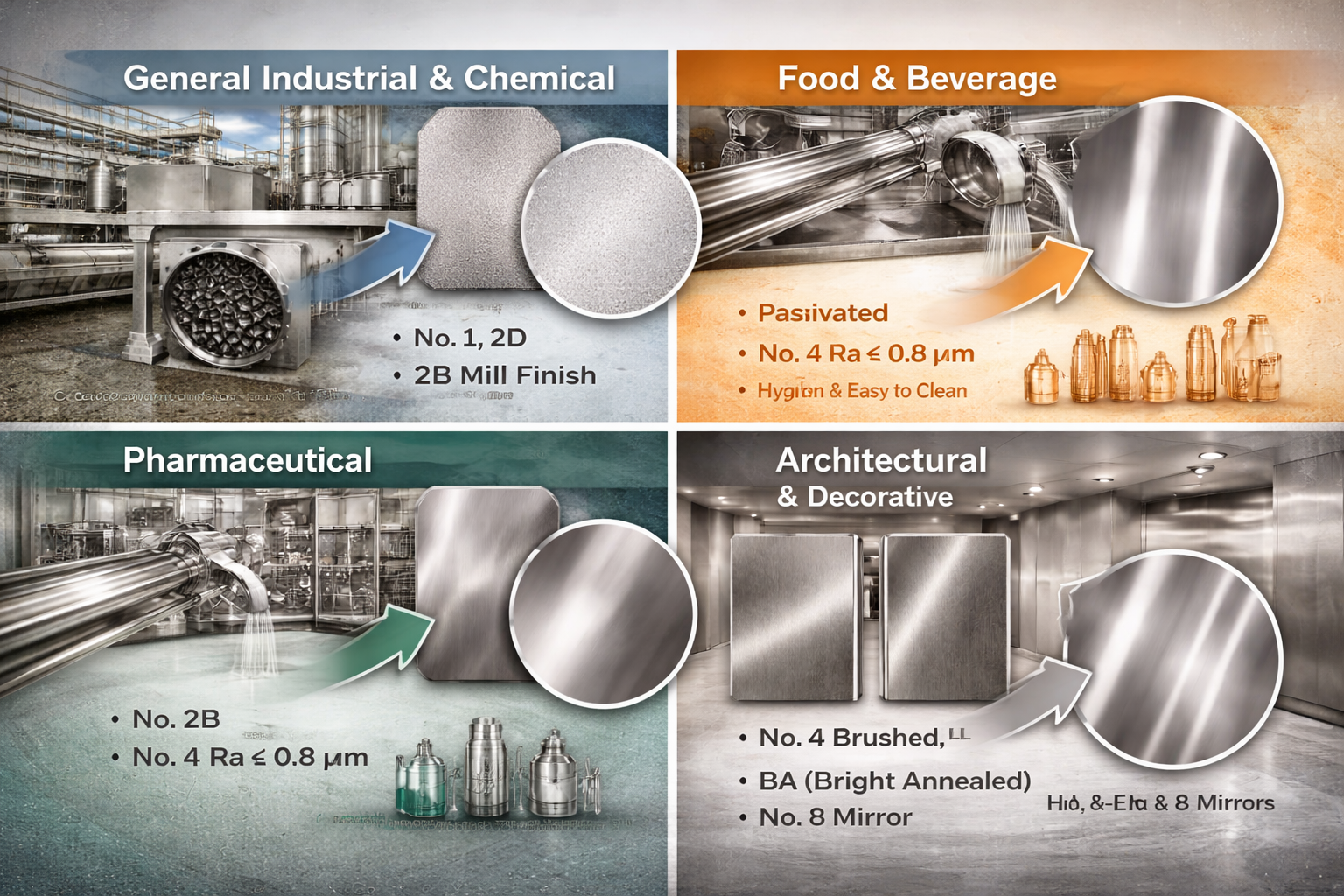
- যদি খরচ প্রাধান্য পায়: 2B বেছে নিন।
- যদি স্বাস্থ্যসম্মততা অত্যন্ত গুরুত্বপূর্ণ হয়: no.4, ইলেকট্রোপলিশড স্টেইনলেস স্টিল অথবা নির্দিষ্ট Ra মান বেছে নিন।
- যদি চেহারা গুরুত্বপূর্ণ হয়: bA, HL অথবা দর্পণ-ফিনিশ বেছে নিন।
- যদি পৃষ্ঠটি অদৃশ্য বা গঠনমূলক হয়: নম্বর ১ বা ২ডি চয়ন করুন।
সাধারণ শিল্প
২বি সাধারণত ব্যবহৃত হয় স্টেইনলেস স্টিল শীট , স্টেইনলেস স্টিল কয়েল ট্যাঙ্ক এবং প্রক্রিয়াকরণ সরঞ্জামের জন্য।
খাদ্য ও পানীয়
নম্বর ৪ ফিনিশ বা Ra ≤ ০.৮ µm ফিনিশগুলি ব্যাপকভাবে ব্যবহৃত হয়, যা সাধারণত উৎপাদনের পরে প্যাসিভেশন সহ প্রয়োগ করা হয়। খাদ্য-সংস্পর্শের অ্যাপ্লিকেশনের জন্য, ক্রেতারা এটিও পর্যালোচনা করতে পারেন খাদ্য মানের স্টেইনলেস স্টিল গাইড .
ফার্মাসিউটিক্যাল
পণ্য-সংস্পর্শকারী পৃষ্ঠগুলির জন্য আরএ (Ra) ≤ ০.৫ মাইক্রোমিটার সহ ইলেকট্রোপলিশড স্টেইনলেস স্টিল সাধারণত নির্দিষ্ট করা হয়।
স্থাপত্য
কাঙ্ক্ষিত চেহারা অনুযায়ী নম্বর ৪, এইচএল, বিএ বা মিরর ফিনিশ নির্বাচন করা হয়। এই ফিনিশগুলি সাধারণত স্টেইনলেস স্টিল প্লেট এবং দৃশ্যমান পৃষ্ঠের জন্য শীটে ব্যবহৃত হয়।
সঠিক পৃষ্ঠ ফিনিশ সহ স্টেইনলেস স্টিল শীট বা কয়েল কিভাবে কিনবেন
স্টেইনলেস স্টিল শীট, প্লেট বা কয়েল অর্ডার করার সময়, ক্রেতাদের উপাদান গ্রেড এবং প্রয়োজনীয় পৃষ্ঠ ফিনিশ উভয়ই নিশ্চিত করা উচিত। একই গ্রেড, যেমন ৩০৪ বা ৩১৬L, ২B, BA, নম্বর ১, নম্বর ৪, এইচএল এবং মিরর ফিনিশ সহ বিভিন্ন ফিনিশে সরবরাহ করা যেতে পারে।
| নিশ্চিত করার জন্য তথ্য | উদাহরণ |
|---|---|
| প্রোডাক্ট ফর্ম | স্টেইনলেস স্টিল শীট, প্লেট, কয়েল বা স্ট্রিপ |
| গ্রেড | ২০১, ৩০৪, ৩০৪L, ৩১৬, ৩১৬L, ৪৩০ বা ২২০৫ |
| পৃষ্ঠ ফিনিশ | ২B, BA, নম্বর ১, নম্বর ৪, এইচএল, মিরর বা কাস্টম পলিশড ফিনিশ |
| আকার | পুরুত্ব, প্রস্থ, দৈর্ঘ্য অথবা কয়েলের ওজন |
| প্রয়োগ | খাদ্য সরঞ্জাম, রান্নাঘরের সরঞ্জাম, লিফট প্যানেল, ট্যাঙ্ক, আবরণ বা শিল্প উৎপাদন |
| ডকুমেন্টস | মিল পরীক্ষা সার্টিফিকেট, পৃষ্ঠের শেষ প্রয়োজনীয়তা, প্রয়োজন হলে Ra মান |
নির্দিষ্ট পৃষ্ঠের শেষ সহ স্টেইনলেস স্টিল অনুরোধ করুন
আপনার প্রয়োজনীয় গ্রেড, পুরুত্ব, প্রস্থ, দৈর্ঘ্য, পৃষ্ঠের শেষ, পরিমাণ এবং গন্তব্য বন্দর পাঠান। ভয়েজ মেটাল ২বি, বিএ, নং-৪, এইচএল, মিরর এবং অন্যান্য ফিনিশ সহ স্টেইনলেস স্টিল শীট, প্লেট এবং কয়েল সরবরাহ করতে পারে।
উদ্ধৃতির জন্য আবেদনউপসংহার
স্টেইনলেস স্টিলের পৃষ্ঠ ফিনিশ কেবল দৃশ্যগত বৈশিষ্ট্যই নয়, বরং এটি একটি কার্যকারিতা স্পেসিফিকেশনও বটে। স্টেইনলেস স্টিলের উপকরণ অর্ডার করার সময়, ফিনিশ ডিজিগনেশন, সর্বোচ্চ Ra মান এবং ফ্যাব্রিকেশনের পরে প্যাসিভেশন বা ইলেকট্রোপলিশিং প্রয়োজন কিনা—এই বিষয়গুলো নিশ্চিত করা গুরুত্বপূর্ণ।
আপনার প্রকল্পের জন্য কোন ফিনিশটি সঠিক হবে, সে ব্যাপারে আপনি নিশ্চিত নন? আপনার আঁকা চিত্র বা বিবরণ পাঠান। ভয়েজ মেটাল আপনার প্রয়োগের জন্য সঠিক স্টেইনলেস স্টিল ফিনিশ, গ্রেড এবং প্রক্রিয়াকরণ সমাধান পরামর্শ দিতে পারে।
সাধারণ জিজ্ঞাসা
২বি এবং নং.৪ স্টেইনলেস স্টিল ফিনিশের মধ্যে পার্থক্য কী?
২বি হলো একটি মসৃণ মিল ফিনিশ, যা সাধারণত শিল্প ও প্রক্রিয়াকরণ অ্যাপ্লিকেশনে ব্যবহৃত হয়; অন্যদিকে নং.৪ হলো একটি যান্ত্রিকভাবে পলিশ করা ব্রাশড ফিনিশ, যা খাদ্য সরঞ্জাম, রান্নাঘরের পৃষ্ঠতল এবং স্থাপত্য প্যানেলে প্রায়শই ব্যবহৃত হয়। নং.৪-এর সাধারণত ২বি-এর তুলনায় বেশি স্পষ্ট গ্রেন প্যাটার্ন এবং উচ্চতর ফিনিশিং খরচ থাকে।
স্টেইনলেস স্টিলের জন্য কোন Ra মানকে খাদ্য-মানের (ফুড-গ্রেড) বলা হয়?
অনেক খাদ্য ও পানীয় অ্যাপ্লিকেশনে, সাধারণত গৃহীত লক্ষ্যমাত্রা হলো Ra ≤ 0.8 µm। ডেয়ারি, বায়োপ্রসেসিং বা ফার্মাসিউটিক্যাল সরঞ্জামের মতো আরও কঠোর স্বাস্থ্যসম্মত ব্যবস্থার ক্ষেত্রে, 0.5 µm বা তার নীচের মতো নিম্নতর Ra মান নির্দিষ্ট করা হতে পারে।
খাদ্য-মানের স্টেইনলেস স্টিল সরঞ্জামের জন্য 2B ফিনিশ উপযুক্ত কি?
এটি হতে পারে, কিন্তু শুধুমাত্র যদি যাচাইকৃত রাফনেস মান স্বাস্থ্যসম্মত প্রয়োজনীয়তা পূরণ করে এবং ডিজাইন প্রয়োজনীয় পরিষ্কার করার অনুমতি দেয়। অনেক ক্ষেত্রে, প্রত্যক্ষ পণ্য-যোগাযোগকারী সরঞ্জামের জন্য ক্রেতারা সাধারণত No.4 বা ইলেকট্রোপলিশড পৃষ্ঠ পছন্দ করেন, কারণ এগুলো অধিকতর ভবিষ্যৎ-নির্ভরযোগ্য পরিষ্কারযোগ্যতা প্রদান করে।
কোন কোন স্টেইনলেস স্টিল গ্রেডগুলো 2B এবং No.4 ফিনিশে সাধারণত পাওয়া যায়?
সাধারণ গ্রেডগুলির মধ্যে রয়েছে ২০১, ৩০৪, ৩০৪এল, ৩১৬, ৩১৬এল এবং ৪৩০। পণ্যের আকৃতি, পুরুত্ব এবং মিলের সরবরাহ অবস্থা অনুযায়ী উপলব্ধ ফিনিশ ভিন্ন হতে পারে।
স্টেইনলেস স্টিলে BA ফিনিশ কী?
বিএ ফিনিশ স্টেইনলেস স্টিল বলতে নিয়ন্ত্রিত বায়ুমণ্ডল চুল্লিতে উৎপাদিত উজ্জ্বল অ্যানিলড উপকরণকে বোঝায়। এটির একটি মসৃণ, প্রতিফলিত চেহারা রয়েছে এবং সাধারণত সজ্জামূলক প্যানেল, যন্ত্রপাতি এবং নির্ভুল উপাদানগুলিতে ব্যবহৃত হয়।
ইলেক্ট্রোপলিশিং কি ক্ষয় প্রতিরোধের ক্ষমতা বৃদ্ধি করে?
হ্যাঁ। ইলেক্ট্রোপলিশিং পৃষ্ঠটিকে মসৃণ করে, সূক্ষ্ম ফাটলগুলি হ্রাস করে এবং নিষ্ক্রিয় স্তরের পৃষ্ঠের অবস্থা উন্নত করে ক্ষয় প্রতিরোধের ক্ষমতা বৃদ্ধি করতে পারে। এটি ফার্মাসিউটিক্যাল, সেমিকন্ডাক্টর এবং উচ্চ-বিশুদ্ধির প্রক্রিয়া ব্যবস্থাগুলিতে ব্যাপকভাবে ব্যবহৃত হয়।
স্টেইনলেস স্টিলের সবচেয়ে মসৃণ পৃষ্ঠ ফিনিশ কী?
নং ৮ দর্পণ ফিনিশ এবং ইলেকট্রোপলিশড স্টেইনলেস স্টিল সাধারণত নির্দিষ্ট করা হয় এমন সবচেয়ে মসৃণ ফিনিশগুলির মধ্যে অন্যতম। এই ফিনিশগুলি প্রায়শই ফার্মাসিউটিক্যাল, সজ্জামূলক এবং উচ্চ-স্বাস্থ্যসম্মত অ্যাপ্লিকেশনগুলিতে নির্বাচন করা হয়।
আমার প্রকল্পের জন্য সঠিক স্টেইনলেস স্টিল পৃষ্ঠ ফিনিশ কীভাবে নির্বাচন করব?
আপনার চারটি বিষয় মূল্যায়ন করা উচিত: ক্ষয় পরিবেশ, স্বাস্থ্যবিধির প্রয়োজনীয়তা, চেহারা এবং বাজেট। উদাহরণস্বরূপ, শিল্পক্ষেত্রে ব্যবহারের জন্য ২বি প্রায়শই যথেষ্ট হয়, অনেক খাদ্য-সংস্পর্শ প্রয়োগের জন্য নম্বর-৪ পছন্দনীয়, এবং উচ্চতর মসৃণতা বা প্রিমিয়াম চেহারার প্রয়োজন হলে ইলেকট্রোপলিশড বা দর্পণ ফিনিশ নির্বাচন করা হয়। জটিল প্রকল্পের ক্ষেত্রে, অর্ডার দেওয়ার আগে ফিনিশ নির্দিষ্টকরণ এবং সর্বোচ্চ Ra মান উভয়ই নিশ্চিত করা সর্বোত্তম।