
 EN
EN



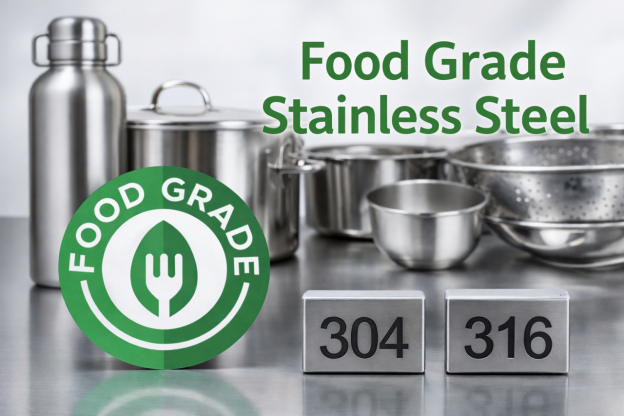
មិនមែនថ្នាក់ស្សេលទាំងអស់គឺជាថ្នាក់សម្រាប់អាហារទាំងអស់នោះទេ។ ក្នុងចំណោមថ្នាក់ស្សេលប្រហែល ១៥០ ថ្នាក់ដែលប្រើប្រាស់ក្នុងពាណិជ្ជកម្ម មានតែចំនួនមួយចំនួនតូចប៉ុណ្ណោះពីស៊េរី ៣០០ និង ៤០០ ដែលត្រូវបានទទួលស្គាល់ជាទូទៅសម្រាប់ការប្រើប្រាស់ដែលទំនាក់ទំនងដោយផ្ទាល់ជាមួយអាហារ។
ការជ្រើសរើសថ្នាក់មិនត្រឹមត្រូវ ឬការទិញពីអ្នកផ្គត់ផ្គង់ដែលមិនអាចទុកចិត្តបាន អាចនាំឱ្យមានបញ្ហាប៉ះពាល់ដែលបណ្តាលមកពីការឆ្លាក់ ហានិភ័យនៃការប៉ះពាល់ និងបញ្ហាដែលទាក់ទងនឹងការគោរពតាមច្បាប់។
· តើគ្រាប់ដែកអ៊ីណុកស្តេនណាខ្លះត្រូវបានអនុម័តដោយ FDA
· តើអ្វីជាហេតុធ្វើឱ្យដែកអ៊ីណុកស្តេនមានសុវត្ថិភាពសម្រាប់អាហារ
· របៀបជ្រើសរើសគ្រាប់ដែកដែលសមស្របសម្រាប់ការប្រើប្រាស់របស់អ្នក
· កន្លែងណាដែលអាចទិញដែកអ៊ីណុកស្តេនដែលមានសុពលភាពសម្រាប់អាហារបានដោយអាចទុកចិត្តបាន
ដែកអ៊ីណុកស្តេនសម្រាប់អាហារគឺជាអ្វី?
ដែកអ៊ីណុកស្តេនសម្រាប់អាហារគឺជាសមាសធាតុដែកដែលត្រូវបានអនុម័តសម្រាប់ការប៉ះផ្ទាល់ ឬប៉ះដោយប្រយោលជាមួយអាហារ ដែលគ្រប់គ្រងដោយស្តង់ដារ FDA និង NSF។ ដើម្បីគ្រប់គ្រងតាមលក្ខខណ្ឌទាំងនេះ សមាសធាតុនេះត្រូវតែឈរទប់នឹងការឆ្លាក់ក្នុងលក្ខខណ្ឌដំណាំអាហារ ជៀសវាងការប៉ះពាល់ដែលអាចបណ្តាលឱ្យមានគ្រោះថ្នាក់ ឬការរំសាយធាតុលោហៈ ហើយរក្សាបាននូវផ្ទៃដែលអាចសម្អាត និងប៉ាប់សំបុរបានយ៉ាងទូទៅ។
បទប្បញ្ញត្តិសម្រាប់ដែកអ៊ីណុកស្តេនសម្រាប់អាហារ (ស្តង់ដារ FDA, NSF និង EU)
នៅសហរដ្ឋអាមេរិក សម្ភារៈទំនាក់ទំនងជាមួយអាហារស្ថិតនៅក្រោមការត្រួតពិនិត្យរបស់ FDA។ ស្តង់ដារចំបងពីរត្រូវបានយោងញឹកញាប់សម្រាប់ឧបករណ៍ដែលប្រើក្នុងការដំណាំអាហារ៖
·NSF/ANSI 51 – គ្របដណ្តប់សម្ភារៈដែលប្រើក្នុងឧបករណ៍ដែលប្រើសម្រាប់អាហារ
·ស្តង់ដារសុខាភិបាល 3-A – ផ្តោតលើការរចនាដែលមានសុខភាពល្អសម្រាប់ប្រព័ន្ធដែលប្រើក្នុងការផលិតផលិតផលទឹកដោះគោ និងអាហារ
ស្តង់ដារទាំងពីរទាមទារឱ្យមានសមត្ថភាពធន់នឹងការឆ្លាក់ មិនមានសារធាតុពុល និងងាយស្អាត។ នៅអឺរ៉ុប អ្នកផលិតក៏យកចិត្តទុកដាក់លើ បទបញ្ញាតិអឺរ៉ុប 1935/2004 រួមជាមួយនឹងការណែនាំរបស់ EHEDG សម្រាប់ការរចនាឧបករណ៍ដែលមានសុខភាពល្អ។
គុណភាពផ្ទៃមានសារៈសំខាន់ដូចគ្នានឹងការជ្រើសរើសសមាសធាតុរួម។ ផ្ទៃទំនាក់ទំនងជាមួយអាហារជាទូទៅត្រូវបានរំពឹងថាត្រូវបំពេញ Ra ≤ 0.8 មីក្រូម៉ែត , ដែលស្មើនឹងការបញ្ចប់ផ្ទៃយន្តសាស្ត្រលេខ ៤ ប្រហែល។
តើអ្វីជាកត្តាដែលធ្វើឱ្យស្តេលអ៊ីណុកស៍មានសមត្ថភាពប៉ះទង្គិចជាមួយអាហារ?
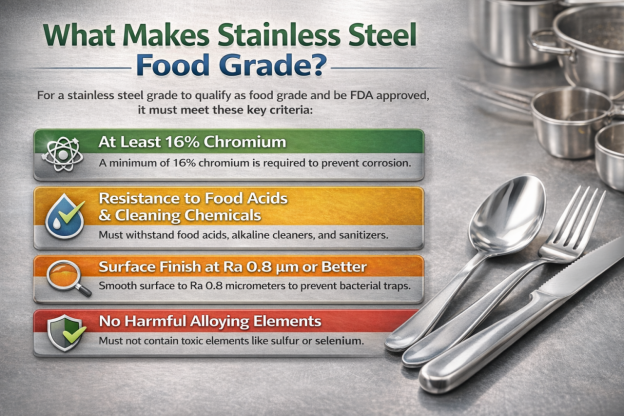
ដើម្បីឱ្យស្តេលអ៊ីណុកស៍មានសមត្ថភាពប៉ះទង្គិចជាមួយអាហារ វាជាទូទៅត្រូវបំពេញលក្ខខណ្ឌសំខាន់ៗបួន។
១. ការមានក្រូមីអ៊ីមអប្បបរមា (≥១៦%)
ក្រូមីអ៊ីមបង្កើតស្រទាប់អុកស៊ីតដែលមានស្ថេរភាព ដែលការពារលោហៈពីការឆ្លាក់។ ស្រទាប់នេះគឺចាំបាច់សម្រាប់ការប្រើប្រាស់ដែលទាក់ទងនឹងអាហារដែលត្រូវការសុវ័យភាព។
២. សមត្ថភាពទប់ទល់នឹងអាស៊ីតអាហារ និងគីមីសារសំអាត
សមាសធាតុគួរតែអាចទប់ទល់នឹងអាស៊ីតអាហារអុរ្គានិក អាគារីន CIP អាស៊ីតសម្រាប់សម្អាត និងគីមីសារសំអាតដែលមានគ្លូរីត ដោយគ្មានការបង្កើតរន្ធឬការខូចខាតផ្ទៃ។
៣. ការបញ្ចប់ផ្ទៃ (Ra ≤ 0.8 មីក្រូម៉ែត)
ផ្ទៃដែលរាបស្មើជាងនឹងជួយកាត់បន្ថយការរក្សាបាក់តេរី ហើយធ្វើឱ្យការសម្អាតប្រចាំថ្ងៃកាន់តែងាយស្រួល និងមានប្រសិទ្ធិភាពជាង។
៤. គ្មានធាតុរួមផ្សំដែលបង្កគ្រោះថ្នាក់
កម្រិតស្តេនឡេសស្ទែលដែលអាចចំណាយបានយ៉ាងងាយស្រួល ដែលមានសារធាតុសាលហ្វើរ ឬសេឡេនីអ៊ីអ៊ីម ជាទូទៅមិនសមស្របសម្រាប់ទំនាក់ទំនងជាមួយអាហារទេ។ ការភ្ជាប់ដែលមិនត្រឹមត្រូវក៏អាចបង្កើតជាតំបន់ដែលមានភាពអាក្រក់ ដែលធ្វើឱ្យការតទល់នឹងការឆ្លាក់ថយចុះនៅជិតកន្លែងភ្ជាប់ដែរ។
កម្រិតស្តេនឡេសស្ទែលសម្រាប់អាហារដែលប្រើញឹកញាប់ (ការពន្យល់អំពី ៣០៤, ៣១៦ និង ៤៣០)
ស្តេនឡេសស្ទែលសម្រាប់អាហារភាគច្រើនមកពីស៊េរី ៣០០ និង ៤០០។ កម្រិតដែលប្រើញឹកញាប់បំផុតរួមមាន ៣០៤, ៣០៤L, ៣១៦, ៣១៦L, ៤៣០ និង ៤២០។
| កម្រិត | រូបិយប័ណ្ណ | សមាសភាពសំខាន់ | សម្រាប់អាហារ? | ល្អที่สุดសម្រាប់ | ដែនកំណត់សំខាន់ |
|---|---|---|---|---|---|
| 304 | ៣០០ (អូស្តេនីទិក) | 18% Cr, 8% Ni | បាទ | ឧបករណ៍អាហារទូទៅ ធុង ផ្ទៃតុ និងឧបករណ៍ផលិតផលទឹកដោះគោ | អាចមានរន្ធចូលនៅក្នុងបរិយាកាសដែលមានអំបិលខ្ពស់ ឬក្លូរីតខ្ពស់ |
| 304L | ៣០០ (អូស្តេនីទិក) | ១៨% Cr, ៨% Ni, កាបូនទាប | បាទ | ឧបករណ៍ចម្អិនអាហារដែលបានភ្ជាប់គ្នាដោយវ៉េល | ដែលមានដែនកំណត់ក្លូរីដស្មើគ្នានឹង 304 |
| 316 | ៣០០ (អូស្តេនីទិក) | ក្រេម៉ីញ៉ូម ១៦%, នីកែល ១០%, មូលីបឌេនុម ២% | បាទ | ដំណាំដែលមានជាតិអាស៊ីតខ្ពស់ និងអំបិលខ្ពស់ ដូចជាដែលប្រើសម្រាប់ដំណាំសាច់ និងត្រី | ថ្លៃខ្ពស់ជាងស៊េរី 304 |
| ស្បែកជើង | ៣០០ (អូស្តេនីទិក) | ក្រេម៉ីញ៉ូម ១៦%, នីកែល ១០%, មូលីបឌេនុម ២%, កាបូនទាប | បាទ | ឧបករណ៍ដែលបានភ្ជាប់គ្នាដោយវ៉េលក្នុងបរិស្ថានដែលមានភាពរឹងមាំ ឬបរិស្ថានដែលត្រូវការសុវ័យភាពខ្ពស់ | ថ្លៃខ្ពស់ជាងគេក្នុងចំណោមក្រេម៉ីញ៉ូមស្តង់ដារសម្រាប់អាហារ |
| 430 | 400 (ហ្វេរីទិក) | ក្រេម៉ីញ៉ូម ១៦–១៨%, គ្មាននីកែល | បាទ | ផ្ទៃតុ គ្រឿងសម្អាត និងផ្ទៃទំនាញអាហារស្ងួត | ការតស៊ូទៅនឹងក្លូរីតទាបជាង 304/316 |
| 420 | 400 (មាត់តេនស៊ីតិក) | ក្រូមីយ៉ូម 12–14% និងកាបូនខ្ពស់ជាង | អាស្រ័យលើការប្រើប្រាស់ | ឧបករណ៍បរិភោគ និងម៉ាស៊ីនកាត់ដែលត្រូវការភាពរឹង | មិនសូវសាកសមសម្រាប់ការប៉ះពាល់ជាមួយទឹក ឬអាស៊ីតជាយូរ |
ការប្រើប្រាស់នៃស្តេនលេសស្ទែលដែលមានគុណភាពសម្រាប់អាហារ
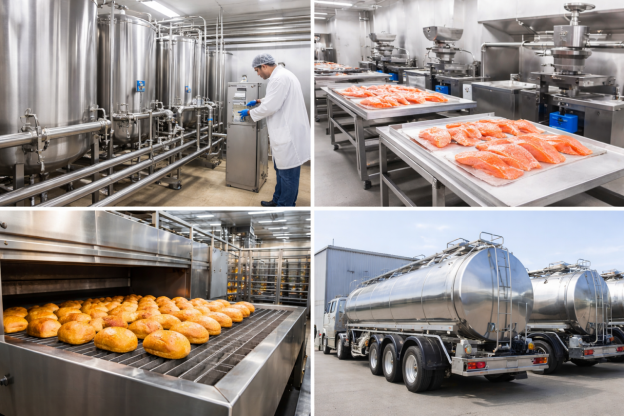
ស្តេនលេសស្ទែលដែលមានគុណភាពសម្រាប់បរិភោគនីមួយៗ ត្រូវបានប្រើសម្រាប់បរិស្ថានដំណាំផ្សេងៗគ្នា អាស្រ័យលើការប៉ះទង្វាត់នឹងគ្លូរីត ប frequency នៃការសម្អាត និងហានិភ័យនៃការឆ្លាក់។
ផលិតផលទឹកដោះគ cows និងភេសជ្ជៈ
304L ត្រូវបានប្រើយ៉ាងច្រើនសម្រាប់ធុង ឧបករណ៍ប៉ាស្ទួរីសេសិន និងខ្សែផលិតកម្មស្តង់ដារ។ 316L ត្រូវបានប្រើជាជម្រើសចំពោះការប្រើប្រាស់គីមីសម្អាតដែលមានសារធាតុរ៉ាំរ៉ាំ ឬបរិស្ថានដែលមានសារធាតុឆ្លាក់ខ្លាំង។
ការដំណាំសាច់ និងត្រី
316 ឬ 316L ដំណាំបានល្អជាងក្នុងបរិស្ថានដែលមានគ្លូរីតច្រើន ដូចជាប្រេងអំបិល ឈាម និងដំណាំសម្រាប់ការប៉ះទង្វាត់។
ការផលិតប៉េងប៉ោះ និងអាហារស្ងួត
304 ផ្តល់នូវសមតុល្យល្អរវាងសុវ័យភាព ភាពធន់ និងថ្លៃដើមសម្រាប់ឧបករណ៍ច្របាច់ បន្ទាត់ដឹកជញ្ជូន និងឧបករណ៍ទំនាក់ទំនងអាហារទូទៅ។
ការផ្ទុក និងដឹកជញ្ជូនអាហារ
304 អាចប្រើបានសម្រាប់ការប្រើប្រាស់ធម្មតាដូចជាធុង និងការដឹកជញ្ជូនជាច្រើន ខណៈដែល 316 ល្អជាងសម្រាប់ផលិតផលដែលមានជាតិអាស៊ីត ប្រៃ ឬផ្អែមដោយសារវីណេក។
ផ្ទៃតុ និងចាន
430 ជាញឹកញាប់ត្រូវបានប្រើប្រាស់ក្នុងសេវាកម្មដែលមានការឆ្លងរាតតាយទាប ដែលការបង្ហាញខាងក្រៅ និងភាពស្អាតស្អំនៃផលិតផល មានសារៈសំខាន់ជាងសមត្ថភាពទប់ទល់នឹងគ្លូរីត។
គ្រឿងបរិភោគ
ស្តេលអ៊ីណុកស្ទែន 420 ប្រភេទម៉ាតេនស៊ីតិក ត្រូវបានជ្រើសរើសសម្រាប់កាបូប និងកាំបិត ដោយសារតែភាពរឹង និងសមត្ថភាពរក្សាប្រវែងគែមបន្ទាប់ពីការព្យាបាលដោយកំដៅ។
របៀបជ្រើសរើសស្តេលអ៊ីណុកស្ទែនដែលមានគុណភាពសម្រាប់អាហារ
នៅពេលជ្រើសរើសថ្នាក់មួយ គួរវាយតម្លៃលើបរិស្ថានប្រើប្រាស់ទាំងមូល ជាជាងគ្រាន់តែសមាសធាតុរបស់វាប៉ុណ្ណោះ។
បរិស្ថានប៉ះពាល់ដោយសារការរលួយ
អំបិល អាស៊ីត សារធាតុសម្អាតដែលមានគ្លូរីត និងប្រេកង់នៃការសម្អាតដោយទឹក ទាំងអស់នេះប៉ះពាល់ដល់ការជ្រើសរើសថ្នាក់។
តម្រូវការការភ្ជាប់ដោយការប៉ះ
ប្រសិនបើឧបករណ៍នឹងត្រូវបានភ្ជាប់ដោយការប៉ះ ថ្នាក់ L ដែលមានកាបូនទាប ជាជម្រើសដែលមានសុវត្ថិភាពជាង។
ការបញ្ចូលផ្ទៃ
សូម្បីតែសមាសធាតុដែលត្រឹមត្រូវក៏អាចបរាជ័យក្នុងការបំពេញតាមតម្រូវការអំពីសុវត្ថិភាព ប្រសិនបើផ្ទៃរបស់វាមានភាពគ្រាប់គ្រាប់ច្រើនពេក។
វិញ្ញាបនប័ត្ររបស់អ្នកផ្គត់ផ្គង់
សូមស្នើសុំវិញ្ញាបនប័ត្រសាកល្បងនៅរោងចក្រ ឯកសារដែលអាចតាមដានបាន និងកំណត់ត្រាដែលបញ្ជាក់ពីការបំពេញតាមតម្រូវការ។
តម្លៃនៃទំនិញដែលធ្វើពីស្ពាន់អ៊ីណុកស្ទែលដែលអាចបរិភោគបាន (304 ប្រឈមនឹង 316 ប្រឈមនឹង 430)
តម្លៃអាស្រ័យលើថ្នាក់ ទម្រង់ បរិមាណ និងការបន្ថែមតម្លៃសម្រាប់សារធាតុផ្សំដែលកំពុងប្រើប្រាស់។ សារធាតុនីកែល និងមូលីបឌីណ៉ូម គឺជាកត្តាសំខាន់ៗដែលប៉ះពាល់ដល់តម្លៃ។
430
ថ្នាក់ហ្វេរីទិកដែលគ្មាននីកែល ដែលប្រើប្រាស់ជាទូទៅនៅពេលដែលថវិកាមានសារៈសំខាន់ និងការប៉ះទង្គិលដោយសារអ៊ីណុកស្ទែលមានកម្រិតទាប។
304 / 304L
ជាជម្រើសដែលប្រើច្រើនបំផុតសម្រាប់ការប្រើប្រាស់ទូទៅក្នុងវិស័យអាហារ ដែលមានសមាមាត្រល្អរវាងតម្លៃ និងប្រសិទ្ធភាព។
316 / 316L
ការបន្ថែមនីកែល និងមូលីបឌីណ៉ូមកាន់តែច្រើន បណ្តាលឱ្យថ្លៃកើនឡើង ប៉ុន្តែក៏ប៉ះពាល់យ៉ាងខ្លាំងដល់ការទប់ទល់នឹងក្លូរីតផងដែរ។
ចំណាំ៖ តម្លៃប្រែប្រួលតាមស្ថានភាពទីផ្សារនីកែល ទម្រង់ផលិតផល និងបរិមាណការបញ្ជាទិញ។
សេចក្តីសន្និដ្ឋាន
ថ្នាក់ស្ពាន់អ៊ីណុកស្ទែលដែលអាចបរិភោគបាន ហើយប្រើប្រាស់ច្រើនបំផុត រួមមាន 304, 304L, 316, 316L, 430 និង 420។ ទោះយ៉ាងណា សមត្ថភាពសុវត្ថិភាពសម្រាប់អាហារ មិនគ្រាន់តែអាស្រ័យលើសារធាតុផ្សំប៉ុណ្ណោះទេ ប៉ុន្តែក៏អាស្រ័យលើការបញ្ចប់ផ្ទៃ វិធីសាស្ត្រការភ្ជាប់ លក្ខខណ្ឌនៃការដំណាំ និងការតាមដានប្រភពពីអ្នកផ្គត់ផ្គង់ផងដែរ។
ប្រសិនបើអ្នកត្រូវការទំនិញដែលធ្វើពីស្តេលអ៊ីណុកស្លេសស៍សម្រាប់ការផលិតអាហារ ប្រព័ន្ធសាកសិក្សាប្រឆាំងនឹងជំងឺ ធុងដឹកជញ្ជូន ឬការផលិតប៉ះទង្គិច (sanitary fabrication) អ្នកគួរតែជ្រើសរើសថ្នាក់ស្តេលអ៊ីណុកស្លេសស៍ឱ្យសមស្របនឹងបរិស្ថានប្រើប្រាស់ជាក់ស្តែង មិនមែនគ្រាន់តែតាមថវិកាដំបូងប៉ុណ្ណោះទេ។
សំណួរគេសួរញឹកញាប់
តើស្តេលអ៊ីណុកស្លេសស៍ទាំងអស់គឺសម្រាប់ប្រើប្រាស់ជាមួយអាហារទេ?
ទេ។ មានតែថ្នាក់ដែលមានការបន្ថែមគ្រីម៉ីយ៉ូម (chromium) គ្រប់គ្រាន់ មានសមត្ថភាពទប់ទល់នឹងការឆ្លាក់ (corrosion resistance) និងមានផ្ទៃរលោងសម្រាប់សុខាភិបាល (hygienic finish) ប៉ុណ្ណោះ ដែលត្រូវបានទទួលស្គាល់ជាទូទៅសម្រាប់ការប្រើប្រាស់ជាមួយអាហារ។
តើមានភាពខុសគ្នាអ្វីខ្លះរវាងស្តេលអ៊ីណុកស្លេសស៍ 304 និង 316 សម្រាប់ប្រើប្រាស់ជាមួយអាហារ?
ស្តេលអ៊ីណុកស្លេសស៍ 316 មានម៉ូលីបឌេន៉ូម (molybdenum) ដែលជួយបង្កើនសមត្ថភាពទប់ទល់នឹងក្លូរីត និងអំបិល។ ស្តេលអ៊ីណុកស្លេសស៍ 304 សាកសមសម្រាប់ការប្រើប្រាស់ទូទៅ ខណៈដែល 316 សាកសមជាងសម្រាប់បរិស្ថានដែលមានការប្រើប្រាស់យ៉ាងតានតឹង។
តើផ្ទៃរលោង (surface finish) សម្រាប់ស្តេលអ៊ីណុកស្លេសស៍សម្រាប់ប្រើប្រាស់ជាមួយអាហារគួរមានលក្ខណៈដូចម្តេច?
ផ្ទៃដែលប៉ះទង្គិចជាមួយអាហារ ជាទូទៅត្រូវបានរំពឹងថាត្រូវបានគ្រប់គ្រងឱ្យមានការរលោង (Ra) 0.8 μm ឬរលោងជាងនេះ ដែលស្មើនឹងផ្ទៃរលោងប្រភេទ No. 4។
ហេតុអ្វីបានជាស្តេលអ៊ីណុកស្លេសស៍ 304L និង 316L ជាញឹកញាប់ត្រូវបានណែនាំសម្រាប់ឧបករណ៍ដែលត្រូវបានភ្ជាប់ដោយវេល្ឌីង (welded equipment)?
ការបន្ថយការបន្ថែមកាបូន (carbon content) ជួយកាត់បន្ថយហានិភ័យនៃការប៉ះទង្គិច (sensitization) នៅជិតកន្លែងវេល្ឌីង ហើយគាំទ្រឱ្យមានសមត្ថភាពទប់ទល់នឹងការឆ្លាក់បានប្រសើរឡើងក្នុងការប្រើប្រាស់សម្រាប់សុខាភិបាល។
ទទួលបាន ស្តេនលេសស្ឋែលដែលមានគុណភាពសម្រាប់អាហារ ពី Voyage Metal
Voyage Metal ផ្តល់ជូនស្តេនលេសស្ថែលក្នុងទម្រង់ផ្ទៃរាបស្មើ សន្លឹក ដំបង ប៉ាઇប៍ និងខ្សែរីល ដែលមានវិញ្ញាបនប័ត្រសាកល្បងរោងចក្រ ការតាមដានបានគ្រប់គ្រាន់ និងគុណភាពឧស្សាហកម្មដែលអាចទុកចិត្តបានសម្រាប់ការផលិតអាហារ និងការផលិតឧបករណ៍សម្រាប់ថែទាំសុខភាព។
ស្នើសុំការប៉ាន់ស្មានឥតគិតថ្លៃ