
 EN
EN



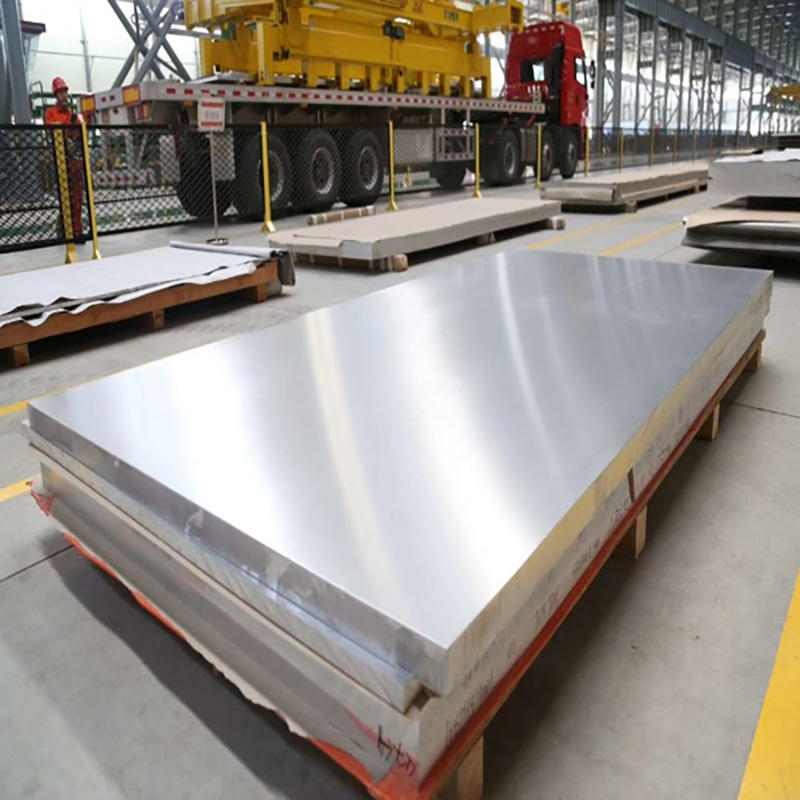
The food processing industry operates under some of the most demanding hygiene and durability standards of any industrial sector. Every surface, fixture, and structural component that comes into contact with food must meet rigorous safety requirements, resist contamination, and withstand repeated cleaning cycles. Among all the materials used in this environment, the stainless steel plate has become the definitive choice for manufacturers, plant designers, and equipment builders alike. Its combination of corrosion resistance, mechanical strength, and hygienic surface properties makes it almost uniquely suited to the demands of food production facilities.
Understanding exactly how a stainless steel plate is applied across different stages of food processing helps purchasing managers, plant engineers, and facility planners make better material selection decisions. From conveyor frameworks and processing tanks to wall cladding and food-contact work surfaces, the stainless steel plate appears throughout the entire production chain. This article breaks down the specific applications, the technical reasons behind material selection, and the practical considerations that shape how food processing facilities source and deploy this essential material.
The Role of Stainless Steel Plates in Food Processing Equipment
Fabrication of Processing Tanks and Vessels
One of the most critical applications of a stainless steel plate in food processing is the fabrication of tanks, vessels, and holding containers. These structures store raw ingredients, hold intermediate products during processing, and contain finished goods before packaging. The material must resist acidic and alkaline food products, survive thermal cycling from heating and cooling operations, and remain non-reactive across an enormous range of food chemistries.
Grades such as 304 and 316 stainless steel are most commonly specified for these applications. The austenitic microstructure of these grades delivers excellent corrosion resistance, particularly against the chloride-containing cleaning solutions used during sanitation cycles. A properly selected stainless steel plate will not leach metallic ions into food products, which is essential for both product purity and regulatory compliance.
The formability of stainless steel plate also plays a major role here. Tanks are often fabricated by rolling and welding plate sections, and the material's ductility allows it to be shaped into cylindrical and conical geometries without cracking or losing its corrosion-resistant properties. After welding and forming, the internal surfaces can be mechanically polished or electropolished to achieve the smooth, bacteria-resistant finish required by food safety standards.
Construction of Conveyors and Material Handling Systems
Conveyors are the circulatory system of a food processing plant, moving products from one stage to the next in a continuous and controlled flow. The structural frames, side panels, and guiding elements of these conveyor systems are frequently built from stainless steel plate due to its resistance to both physical wear and chemical attack from food residues and cleaning agents.
The flat, smooth surface of a stainless steel plate resists the accumulation of food particles and biofilm, which are the primary sources of bacterial contamination in production environments. This easy-to-clean characteristic is not just a convenience — it directly impacts food safety audit results, compliance with HACCP guidelines, and the overall microbiological status of the production line.
In high-throughput operations such as poultry processing, seafood handling, and dairy production, conveyor systems must endure constant moisture exposure and frequent high-pressure washdowns. The structural integrity of a stainless steel plate under these conditions far exceeds alternatives like galvanized steel or aluminum, which can corrode or release trace elements into the food stream over time.
Hygienic Wall Cladding and Facility Construction
Interior Wall Panels and Splash Guards
Beyond equipment, the stainless steel plate is extensively used in the physical construction of food processing facilities. Interior wall cladding made from stainless steel plate provides a durable, impermeable surface that resists moisture penetration, supports aggressive chemical cleaning, and does not harbor mold or bacteria within its surface structure. This is particularly important in wet processing zones where walls are exposed to constant splashing, steam, and washdown water.
Unlike ceramic tiles, which can crack and harbor contamination in grout lines, or painted concrete, which degrades under repeated chemical cleaning, a stainless steel plate wall panel maintains its integrity over decades of industrial use. The reflective surface also aids in facility lighting efficiency, which is a secondary benefit relevant to production floor design.
Food processing standards in most regulated markets specify minimum surface finish requirements for walls in high-care and high-risk zones. A stainless steel plate with a 2B or BA finish can meet these requirements without additional coating or treatment, simplifying both construction and ongoing maintenance obligations.
Flooring Plates and Drainage Structures
While coated concrete is the most common flooring material in food plants, stainless steel plate is used in specialized flooring applications such as drain covers, channel grates, raised platform sections, and walk-on surfaces adjacent to processing equipment. These locations require materials that can bear significant mechanical loads while resisting the corrosive conditions created by food acids, cleaning chemicals, and constant moisture.
A checkered or tread-pattern stainless steel plate is frequently used in these flooring applications because the surface texture provides slip resistance without creating hard-to-clean recesses. Drainage channels fabricated from stainless steel plate offer long service life and are straightforward to inspect, clean, and sanitize during routine hygiene checks.
The load-bearing performance of a stainless steel plate in flooring applications also benefits from the material's high tensile strength, which allows thinner gauge material to be used in grating and platform designs compared to carbon steel alternatives, reducing overall structural weight without compromising safety.
Food-Contact Work Surfaces and Processing Tables
Preparation Counters and Cutting Surfaces
Work surfaces where food is directly handled, portioned, trimmed, or inspected represent one of the most demanding applications for stainless steel plate in terms of surface hygiene requirements. These surfaces must be smooth enough to prevent bacterial adhesion, hard enough to resist scratching from cutting implements, and chemically inert across a wide range of food products including high-acid items like citrus, tomatoes, and vinegar-based products.
A stainless steel plate fabricated from 304 grade material with a No. 4 brushed finish strikes the right balance between these competing requirements. The brushed surface finish reduces the visibility of minor scratches while maintaining a smooth enough texture to prevent biofilm formation. For applications involving chloride-rich foods such as cured meats and brined vegetables, specifying 316 grade stainless steel plate provides additional protection against pitting corrosion.
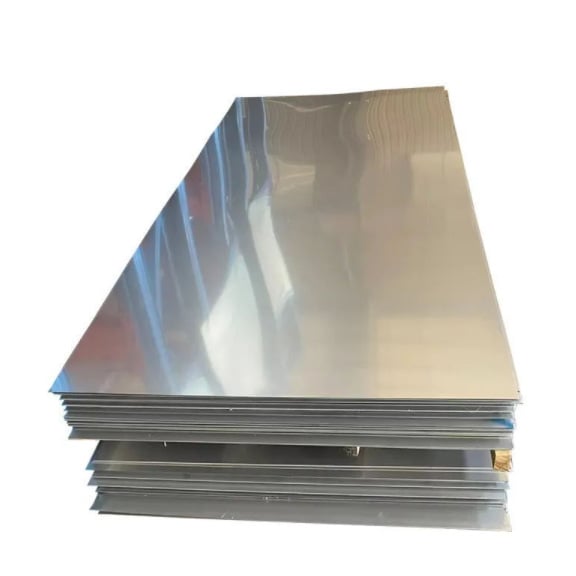
Processing tables built from stainless steel plate can also be designed with integrated features such as sloped drain channels, upturned edges to prevent spillage, and welded-in sink basins. These design possibilities are enabled by the formability of the material, which allows complex functional shapes to be created without sacrificing the hygienic properties of the finished surface.
Equipment Housings and Machine Guards
Processing equipment such as slicers, mixers, fillers, and portioners requires housings and protective guards that can be removed, cleaned, and reinstalled quickly during sanitation procedures. Fabricating these components from stainless steel plate ensures that even secondary surfaces — those not in direct food contact — meet the hygiene expectations of food safety auditors and regulatory inspectors.
Machine guards made from stainless steel plate are also preferred for their dimensional stability. Unlike polymer guards that can warp under thermal cycling or become brittle in cold storage environments, a properly specified stainless steel plate maintains its shape and structural function across a wide temperature range, from blast freezing temperatures to the elevated temperatures of pasteurization and retort operations.
The long service life of stainless steel plate components also contributes to total cost of ownership advantages. Equipment housings that resist corrosion, mechanical damage, and surface degradation reduce the frequency of replacement, lower maintenance labor costs, and minimize production downtime associated with equipment failures.
Grade Selection and Surface Finish Considerations for Food Processing
Choosing Between 304 and 316 Stainless Steel Plate
The selection of the correct stainless steel plate grade is one of the most consequential decisions a plant engineer makes when specifying materials for food processing applications. Grade 304, containing 18% chromium and 8% nickel, is the most widely used stainless steel plate in the food industry due to its excellent corrosion resistance, good mechanical properties, and relatively accessible cost.
However, in environments where chloride concentrations are consistently high — such as in seafood processing plants, meat curing rooms, or dairy facilities that use chlorinated cleaning agents — grade 316 stainless steel plate is the preferred choice. The addition of 2–3% molybdenum in 316 grade significantly enhances resistance to pitting and crevice corrosion in chloride-rich environments, providing a longer and more reliable service life.
The decision between these grades should be based on a thorough analysis of the chemical environment, cleaning protocols, and expected service conditions at each specific application point. Specifying 316 stainless steel plate across an entire facility when only certain zones require it adds unnecessary cost, while under-specifying with 304 in high-chloride zones can lead to premature corrosion failures and contamination risks.
Surface Finish Standards and Their Hygienic Implications
The surface finish of a stainless steel plate is not merely an aesthetic consideration in food processing — it directly determines the hygienic performance of the material. Rough surfaces with high Ra (roughness average) values provide more surface area for bacterial attachment and biofilm development, making complete sanitization more difficult even with aggressive cleaning protocols.
Industry hygiene standards such as those published by EHEDG (European Hygienic Engineering and Design Group) and the 3-A Sanitary Standards specify maximum surface roughness values for food-contact stainless steel surfaces. A stainless steel plate with a 2B cold-rolled finish typically achieves Ra values well within the acceptable range for most food contact applications, while electropolished finishes provide even lower roughness values for the most demanding sterile processing environments.
Understanding the relationship between surface finish and cleanability helps procurement teams specify stainless steel plate correctly the first time, avoiding costly rework or surface treatment after fabrication. The combination of the right grade and the right finish ensures that each stainless steel plate component performs as expected throughout its entire service life in the food production environment.
FAQ
Why is stainless steel plate preferred over other metals in food processing?
A stainless steel plate offers a combination of corrosion resistance, mechanical durability, chemical inertness, and surface cleanability that no other common metal fully matches for food processing environments. Unlike carbon steel, it does not rust when exposed to moisture and food acids. Unlike aluminum, it resists scratching and does not react with alkaline cleaning chemicals. These properties make a stainless steel plate the most reliable and regulatory-compliant choice for the majority of food contact and facility construction applications.
What grade of stainless steel plate is most commonly used in food facilities?
Grade 304 stainless steel plate is by far the most common choice in food processing facilities due to its balanced performance characteristics and cost efficiency. For applications involving frequent exposure to chloride-containing substances — including certain foods, brines, and cleaning agents — grade 316 stainless steel plate is the preferred specification because its molybdenum content provides significantly better resistance to pitting corrosion in those conditions.
How does the surface finish of a stainless steel plate affect food safety?
The surface finish of a stainless steel plate directly influences how easily bacteria and biofilm can be removed during cleaning and sanitation procedures. Smoother finishes with lower Ra values leave less surface area for microbial attachment, making sanitization more effective and reliable. Food processing standards typically specify minimum acceptable surface finish levels for different zones of a facility, and selecting the right stainless steel plate finish at the design stage is a key element of hygienic facility engineering.
Can a stainless steel plate withstand the chemicals used in food plant cleaning?
Yes, a properly specified stainless steel plate is highly resistant to the cleaning and sanitizing chemicals commonly used in food processing, including caustic soda (sodium hydroxide), phosphoric acid-based cleaners, and quaternary ammonium sanitizers. However, prolonged exposure to undiluted bleach or very high concentrations of chloride-containing chemicals can cause pitting corrosion even in 304 grade material. In facilities where such exposure is routine, upgrading to 316 stainless steel plate and ensuring thorough rinsing after chemical contact will maintain the long-term integrity of the material.
Table of Contents
- The Role of Stainless Steel Plates in Food Processing Equipment
- Hygienic Wall Cladding and Facility Construction
- Food-Contact Work Surfaces and Processing Tables
- Grade Selection and Surface Finish Considerations for Food Processing
-
FAQ
- Why is stainless steel plate preferred over other metals in food processing?
- What grade of stainless steel plate is most commonly used in food facilities?
- How does the surface finish of a stainless steel plate affect food safety?
- Can a stainless steel plate withstand the chemicals used in food plant cleaning?