Home > Products > Stainless Steel > Stainless Steel Sheet & Plate
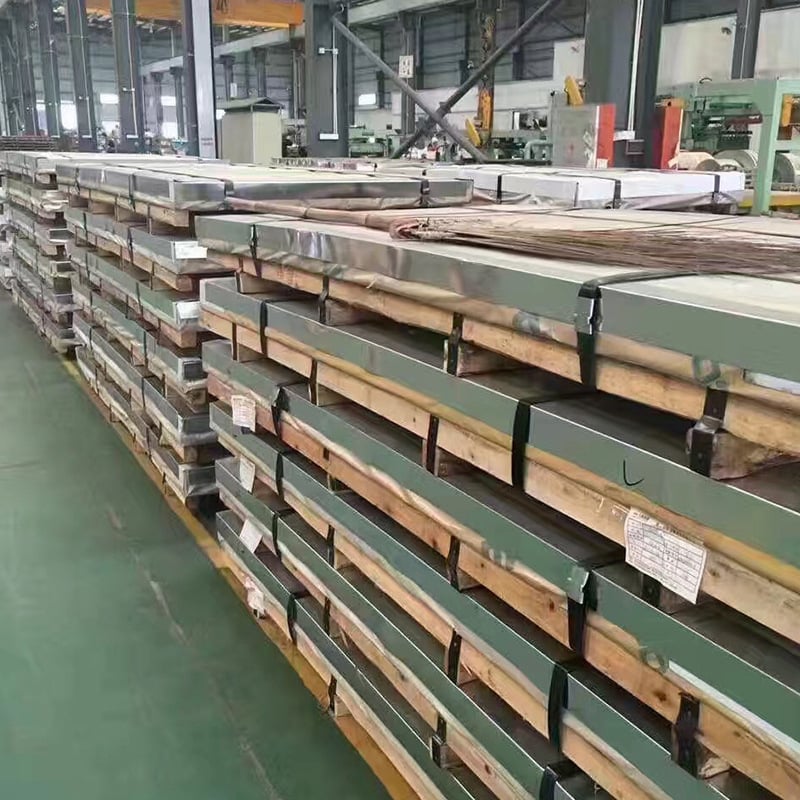
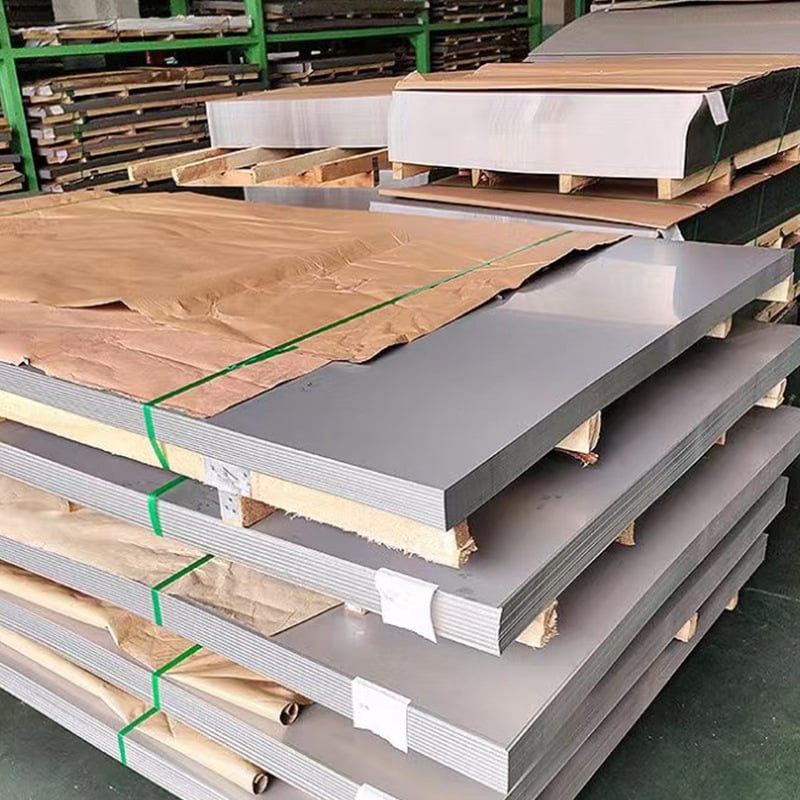
Titanium-Stabilized Austenitic Stainless Steel Plate for High-Temperature Service up to 1,650°F
Titanium-stabilized austenitic stainless steel plate engineered for heat resistance, scaling resistance, and reliable corrosion performance after exposure to high-temperature welding ranges.
321 and 321H stainless steel plates are austenitic grades stabilized with titanium. This titanium addition improves resistance to intergranular corrosion after exposure to temperatures where chromium carbides may form. These grades are commonly selected for components operating at elevated temperatures—often up to 1,650°F.
For many general welded applications, 304L is more widely available and often used when the goal is mainly post-weld intergranular corrosion resistance. However, when service temperatures rise above roughly 932°F, 321/321H may be preferred due to stronger high-temperature performance.
These grades are supplied in plate form and can be cut, formed, welded, and machined using standard stainless fabrication practices. For high-temperature duty, confirm the operating atmosphere and duty cycle (continuous vs. intermittent) to select the best grade (321 vs. 321H).
| Item | Details |
|---|---|
| Product Form | Plate mill plate (common supply form) |
| Typical Thickness Range | 0.188" to 2.0" (other thicknesses available on request) |
| Width / Length | Multiple mill sizes available; cut-to-length supported |
| Test Certificate | EN 10204 3.1 (available) |
Key difference: carbon content. 321 is lower-carbon; 321H is higher-carbon for improved elevated-temperature strength/creep performance.
| Element | 321 (ASTM A240) | 321H (ASTM A240) |
|---|---|---|
| Carbon (C) | ≤ 0.08% | 0.04 – 0.10% |
| Manganese (Mn) | ≤ 2.00% | |
| Silicon (Si) | ≤ 0.75% | |
| Phosphorus (P) | ≤ 0.045% | |
| Sulfur (S) | ≤ 0.03% | |
| Chromium (Cr) | 17.0 – 19.0% | |
| Nitrogen (N) | ≤ 0.10% | |
| Titanium (Ti) | Up to 0.70% | |
| Property | 321 | 321H |
|---|---|---|
| Tensile Strength (min) | 75 ksi | |
| Yield Strength 0.2% (min) | 30 ksi | |
| Elongation (min) | 40% | |
| Hardness (Brinell) | 217 HB | |
| Hardness (Rockwell B) | 95 HRB | |
| Property | Typical Value | Notes |
|---|---|---|
| Density | 0.289 lbm/in³ | Room temperature |
| Elastic Modulus | 193 GPa | Typical |
| Mean CTE (32°F to 212°F) | 9.22 × 10⁻⁶ in/in/°F | Thermal expansion |
| CTE (32°F to 599°F) | 9.56 × 10⁻⁶ in/in/°F | Thermal expansion |
| CTE (32°F to 1,000°F) | 1.03 × 10⁻⁵ in/in/°F | Thermal expansion |
| Specific Heat | 0.194 BTU/lbm | Typical |
| Grade | UNS | Standards |
|---|---|---|
| 321 | S32100 | ASTM A240 / ASTM A480 / ASME 240 |
| 321H | S32109 | ASTM A240 / ASTM A480 / ASME 240 |
| Industry / System | Typical Parts |
|---|---|
| Heat Equipment & Furnaces | Furnace parts, burner pipes, flues, high-temp ducting |
| Process & Thermal Systems | Heat exchangers, heating element tubing, spiral welded tubes |
| Expansion Components | Bellows, expansion joints |
| Mineral / High-Temp Screening | Woven or welded metal screens used at elevated temperature |
| Aerospace & Exhaust | Aircraft exhaust parts, piston engine manifolds |
| Chemical / Food Processing | Equipment, storage, and handling systems |
| Refining & Waste Treatment | Process equipment exposed to high-temp cycles |
| Cutting | Plasma cutting, plate saw cutting, shearing, laser cutting, waterjet cutting |
| Forming | Forming, rolling, plate leveling |
| Welding & Machining | Welding, machining |
The main difference is carbon content. 321H contains higher carbon than 321, which can improve elevated-temperature strength and creep performance.
Yes, polishing is possible, but these grades are typically selected for heat-duty performance rather than decorative finish requirements.
Many applications target roughly 800°F to 1,500°F depending on atmosphere and duty cycle, with broader service up to about 1,650°F for suitable designs.
Yes, dual-certified plate can be available when the chemistry and test results meet both grade requirements.
Titanium stabilization helps resist intergranular corrosion after exposure to the carbide precipitation temperature range (about 800°F to 1500°F), and it supports performance in high-temperature service conditions.
Send thickness × width × length, grade (321 or 321H), required standard, quantity, destination port, and any cutting needs. Voyage Metal will reply with lead time and a competitive offer.
Contact Voyage Metal
Products Number: 304 & 316 Stainless Steel Supplier for Engineering Use
Products Number: Inconel 625 Nickel Alloy | Alloy 625 Plate, Pipe, Bar & Sheet Supplier
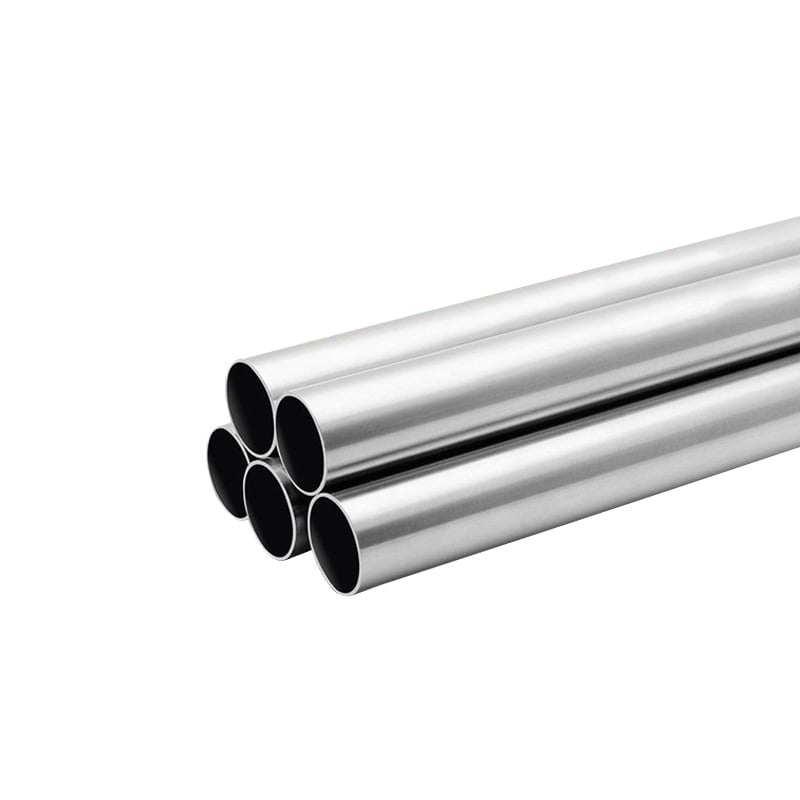
Products Number: Premium Stainless Steel Tubes & Pipes (Seamless & Welded)
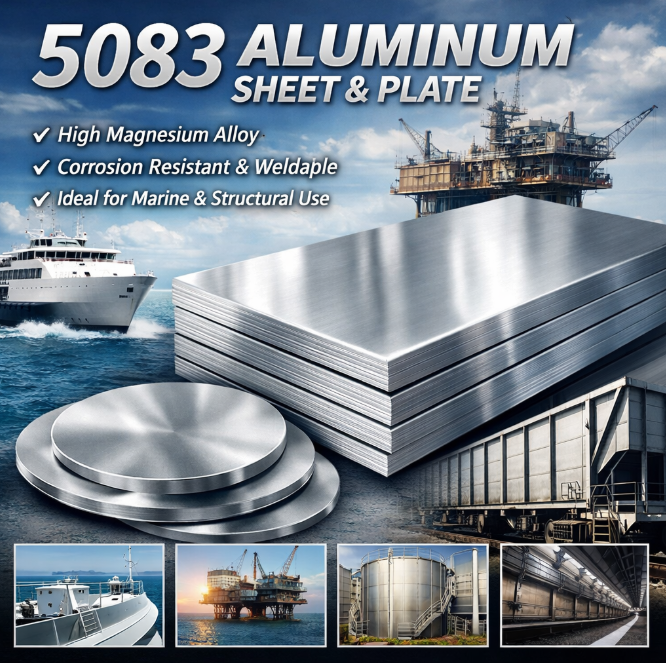
Products Number: 5083 Aluminum Sheet & Plate for Marine and Structural Applications
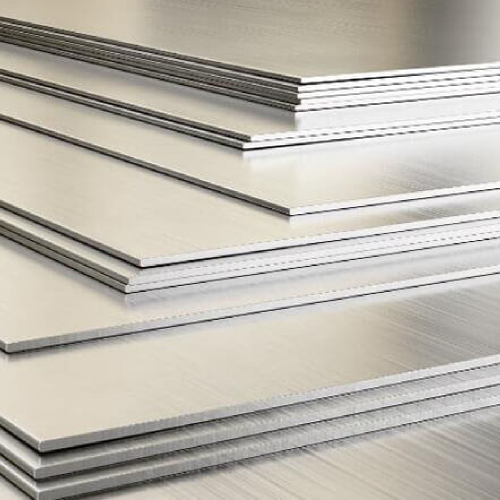
Products Number: 6061 Aluminum Sheet & Plate

 EN
EN